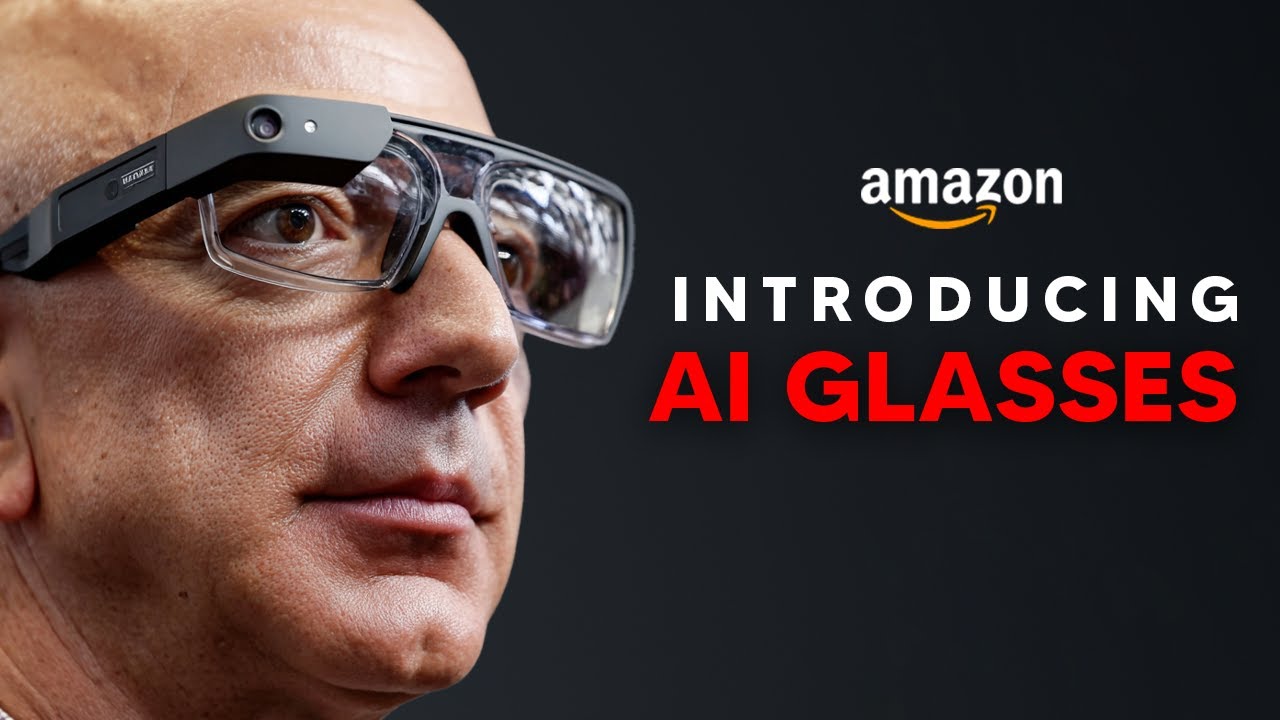
Amazon has recently introduced advanced AI-powered smart glasses designed primarily for their delivery drivers. These glasses look like regular eyewear but are equipped with cameras, artificial intelligence, computer vision, GPS navigation, and a heads-up display. The glasses provide augmented reality (AR) overlays that help drivers navigate their routes, identify packages, and avoid hazards without needing to look down at their phones. This hands-free technology enhances safety and efficiency by keeping drivers’ eyes on their surroundings while delivering packages.
The glasses automatically activate when drivers arrive at a delivery location, displaying step-by-step walking directions and guiding them to the correct packages in the van. They can scan package barcodes and capture proof of delivery hands-free. The AI also detects environmental hazards such as sprinklers or dogs and helps drivers navigate complex apartment layouts. The hardware includes prescription and transitional lenses, microphones, speakers, and a small controller clipped to the delivery vest that houses the battery and computing components, including an emergency button for driver safety.
Amazon developed these glasses with extensive input from actual delivery drivers to ensure comfort and usability during long shifts. The technology aims to save time and reduce errors in the delivery process. Even saving just 10 seconds per stop can add up to significant time savings across thousands of deliveries daily. Additionally, the glasses help reduce mistakes like delivering packages to the wrong address or walking into hazards, which can save Amazon money and improve driver safety.
Under the hood, the glasses combine several technologies: computer vision analyzes the environment in real-time, augmented reality displays information in the driver’s field of view using optical waveguide technology, and GPS combined with Amazon’s proprietary geospatial mapping provides precise location data. The AI integrates all these inputs to deliver context-aware information, improving with machine learning as more deliveries are made. This system is designed to be intuitive and non-intrusive, showing only relevant information when needed.
Looking ahead, Amazon plans to refine this technology further and eventually release consumer versions of smart glasses. These future glasses could revolutionize how people interact with information daily, offering real-time translations, navigation, notifications, and more without the need to look at a phone. This shift toward ambient computing represents a major step in wearable technology, potentially making smart glasses as common as smartphones within the next decade. Other tech giants like Meta and Apple are also developing similar devices, signaling a broader industry move toward this new form of computing.