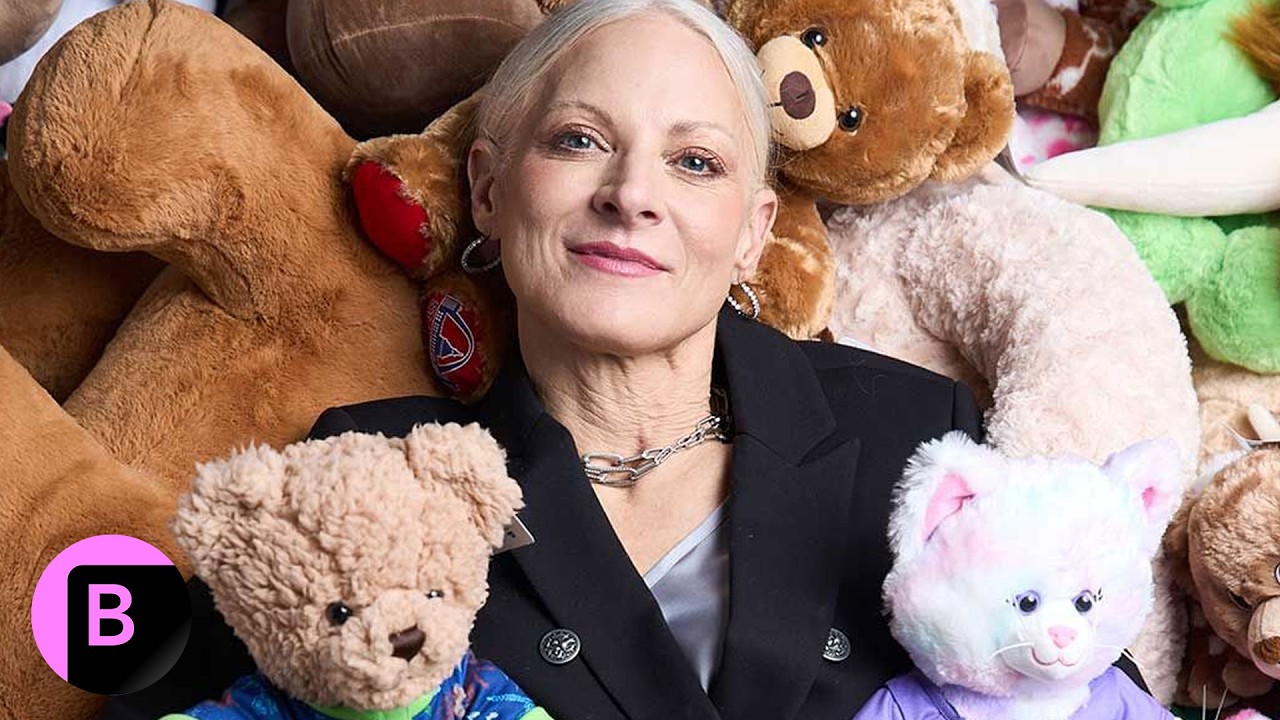
Build-A-Bear Workshop, under CEO Sharon Price John, has transformed from a mall-based children’s retailer into a diversified brand by leveraging emotional connections, experiential retail, and expanding its customer base to include teens and adults. This strategic evolution, combined with strong business fundamentals and adaptability to challenges, has driven significant stock growth and positioned the company for sustained success.
Sharon Price John, the president and CEO of Build-A-Bear Workshop, draws a parallel between the process of building a bear and achieving business success. She emphasizes the importance of choosing something you love, customizing it to your needs, and putting your heart into it—principles she applies to leading her company. John is committed to assembling a top-tier team and fostering a collaborative environment where everyone can contribute ideas, which has been crucial as the company undergoes rapid growth and transformation.
Build-A-Bear has evolved from a mall-based retail store for children into a branded intellectual property company with multiple revenue streams. This pivot has allowed the company to monetize the emotional connection customers have with their products, creating a more diversified and resilient business model. As a pioneer in experiential retail since 1997, Build-A-Bear offers a unique, interactive experience that sets it apart from competitors.
The video highlights the magical, emotional moments that Build-A-Bear creates for its customers, particularly children, as they bring their stuffed animals to life. This emotional engagement has contributed to the company’s strong performance in the stock market, with shares rising over 50% in the past year. John attributes this success to consistent business execution, a clean balance sheet, and strong cash flow, distinguishing Build-A-Bear from so-called “meme stocks” by grounding its growth in solid fundamentals.
Despite challenges such as tariffs and supply chain disruptions, Build-A-Bear has diversified its supply chain to mitigate risks. While some increased costs are inevitable, the company strives to balance these without passing all expenses onto consumers. John acknowledges that while Build-A-Bear is not recession-proof, toys tend to be recession-resilient, especially during the holiday season.
Build-A-Bear has also capitalized on trends like nostalgia, “kidulting,” and DIY culture, successfully expanding its teen and adult customer base to comprise 40% of total sales. John credits the company’s ongoing success to a genuine belief in their mission and the recognition that building a lasting business is a long-term endeavor. By staying passionate and committed, Build-A-Bear continues to increase its odds of sustained growth and relevance.