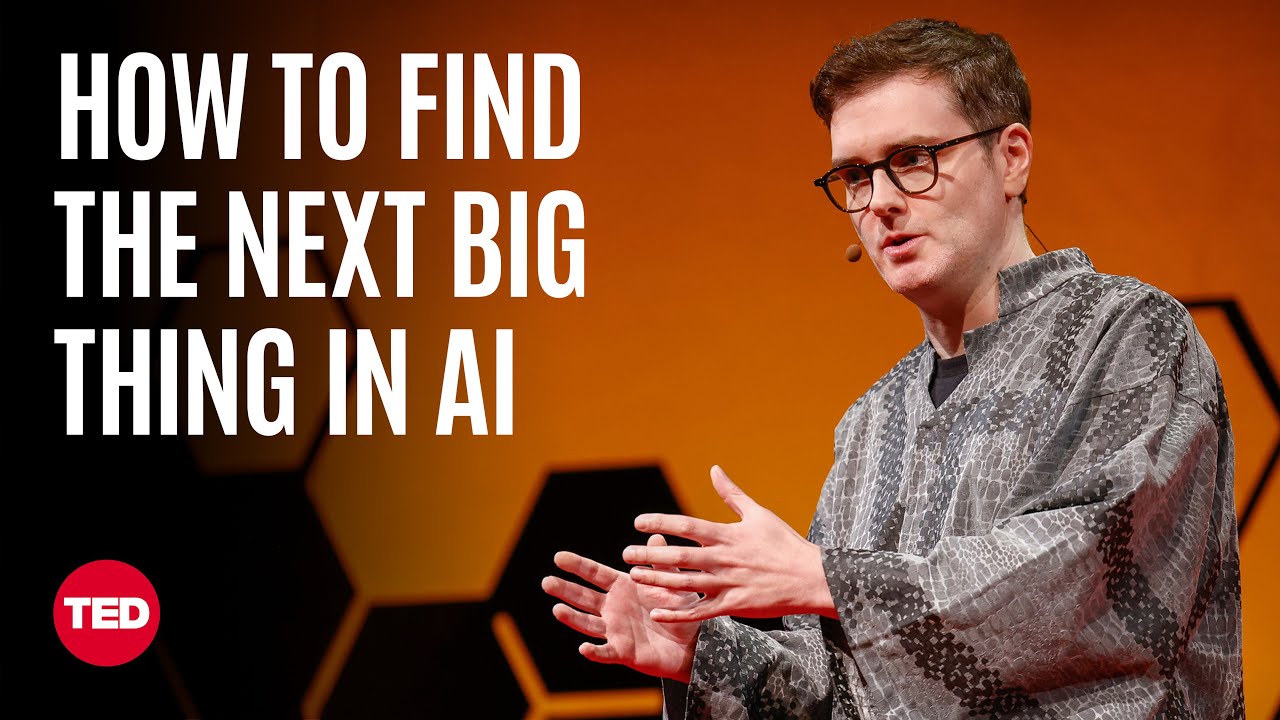
Llion Jones, one of the original authors of the Transformer architecture (the “T” in ChatGPT), reflects on the creative environment that led to this major AI breakthrough. He describes it as an organic, bottom-up process, free from management pressure and focused on pursuing ideas that genuinely interested the team. This freedom and lack of external pressure, he argues, were crucial in enabling the conceptual leap that resulted in the Transformer model.
Jones expresses concern that the current AI industry environment is very different. Despite unprecedented levels of investment, talent, and interest, he observes that research has become narrower and more risk-averse. Researchers feel intense pressure from investors and competition, leading them to focus on incremental improvements and “low-hanging fruit” rather than bold, speculative ideas. Even in academia, the pressure to publish discourages risk-taking and creativity.
He draws an analogy to the exploration-exploitation trade-off in AI algorithms: the industry is currently overemphasizing exploitation—refining existing models—at the expense of exploration, which is necessary for major breakthroughs. Jones recalls the period before Transformers, when most research was focused on tweaking recurrent neural networks for small gains, rather than seeking fundamentally new approaches. He warns that the same pattern is repeating now, with too much focus on Transformers and not enough on exploring alternative architectures.
To address this, Jones advocates for more open-ended, nature-inspired, and differentiated research. He shares an example from his own company, where an employee was encouraged to pursue an unconventional idea inspired by brain synchronization, resulting in a successful project. He argues that creating environments with high autonomy and freedom attracts top talent and fosters the kind of innovation needed for the next big breakthrough in AI.
Jones concludes by challenging researchers, managers, business leaders, and investors to be bold and support more exploratory research. He emphasizes that competition is stifling progress and that the AI community should see itself as working toward a common goal. By collectively increasing the focus on exploration and openly sharing results, he believes the industry can achieve faster and more meaningful progress in artificial intelligence.