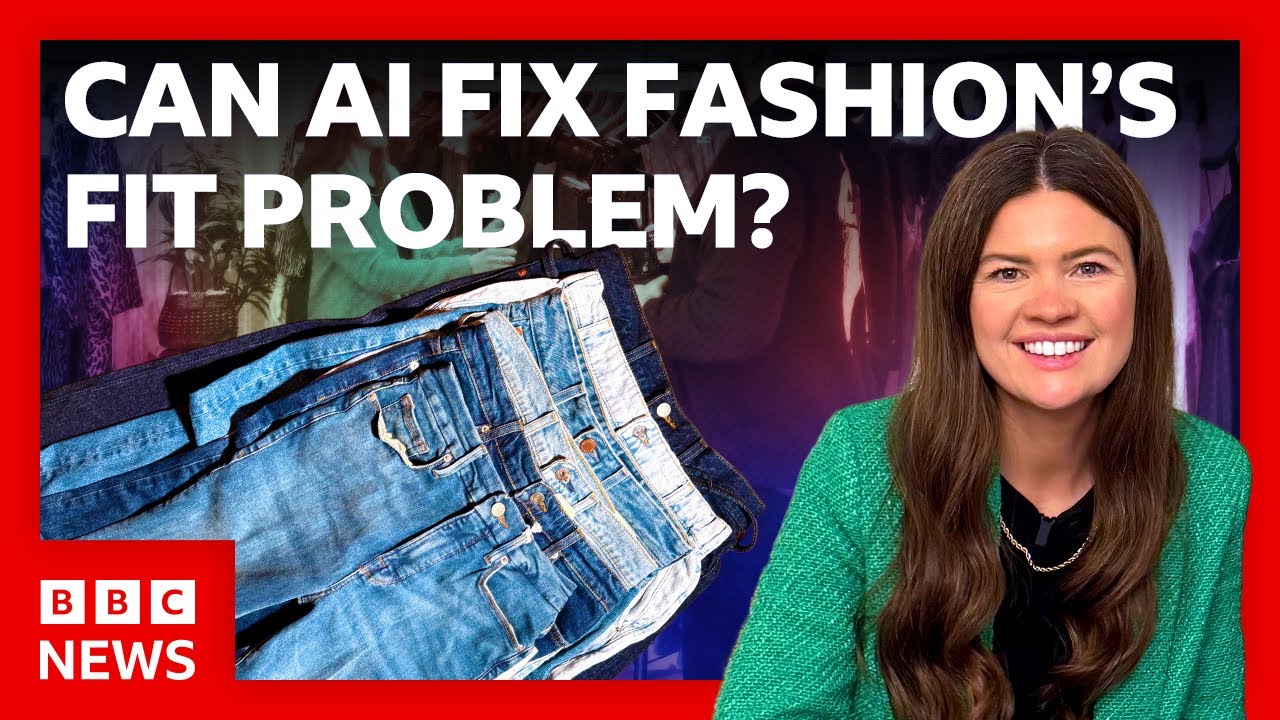
The video explores the persistent issue of inconsistent sizing in the fashion industry, particularly highlighting the challenges women face in finding clothes that fit well. It begins with Phoebe, a tailor inspired by Savile Row, who notes that for over 200 years, tailoring on this iconic London street was exclusively for menswear until she opened the first women’s wear tailor shop there. A common complaint among customers is the unreliability of high street sizing, where the same size label can vary significantly between brands and even within different garments of the same size, making shopping frustrating and returns frequent.
To illustrate the problem, the video tests six pairs of jeans all labeled the same size but finds a substantial difference in measurements, with up to a 14 cm difference in circumference, equating to about three and a half sizes. This inconsistency underscores the lack of universal sizing standards in fashion, contributing to high return rates for online clothing purchases, which average around 50%. Phoebe founded the Fit Collective, a tech startup that leverages artificial intelligence to analyze vast amounts of manufacturing and customer feedback data to address this issue.
Fit Collective uses AI to compare product lifecycle management (PLM) data with commercial data, including customer reviews, returns, and service emails, to identify specific fit issues with garments. The AI summarizes this complex data into actionable insights for production teams, such as recommending precise adjustments to garment dimensions that could significantly reduce return rates and save brands substantial amounts of money. This data-driven approach allows brands to make informed decisions to improve fit and customer satisfaction efficiently.
Several high street retailers have begun using Fit Collective’s technology, discovering valuable insights such as which neckline styles have the highest return rates or how different markets require different fit strategies. For example, one brand learned that halterneck tops were particularly problematic online and adjusted their product strategy accordingly. The technology also revealed regional differences in fit preferences, with US customers needing more fit guidance than UK customers, demonstrating the nuanced challenges of global fashion retail.
Despite the complexity of fashion, where designers intentionally vary fit to reflect style and target demographics, Phoebe remains optimistic about the impact of AI on the industry. Fit Collective has already helped brands reduce return rates by around 10%, a significant achievement given the general trend of increasing returns. The startup aims to expand its client base rapidly, with the potential to transform how brands approach sizing and fit, ultimately benefiting both retailers and consumers by making shopping more reliable and reducing waste.