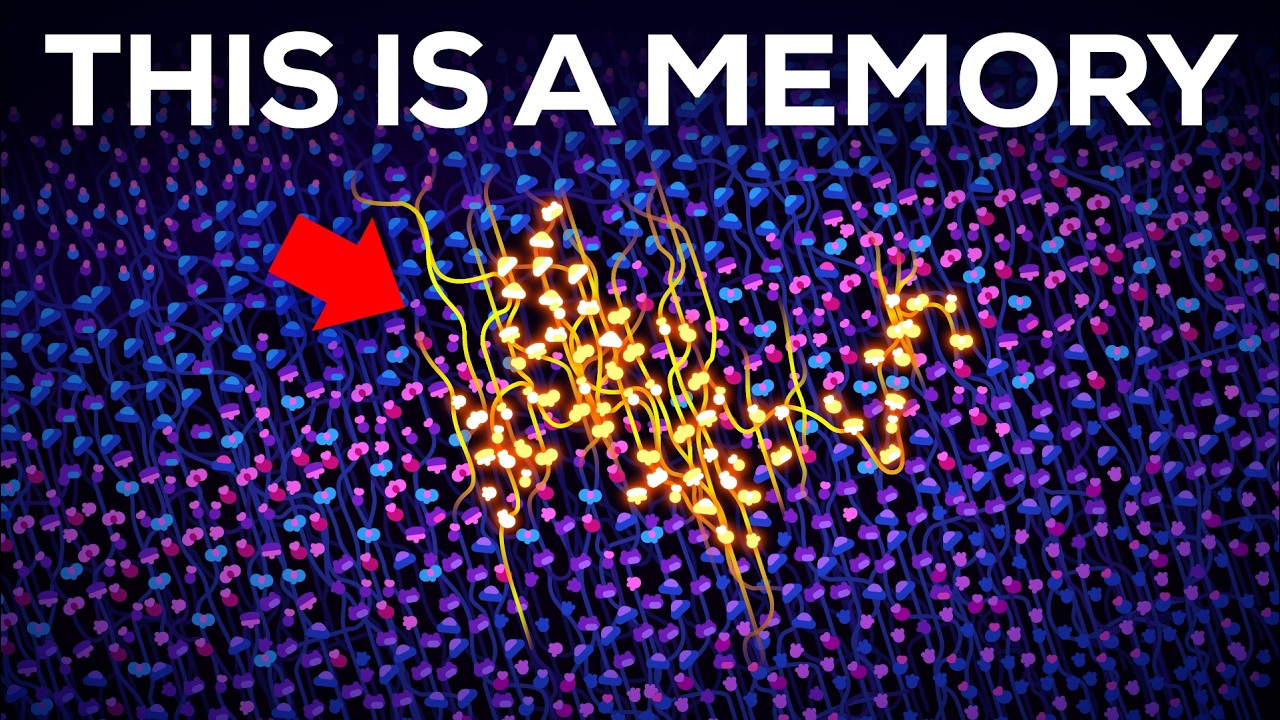
Memories are dynamic biological processes that allow us to encode, store, and retrieve information about our experiences and ourselves. Unlike static photographs, memories can subtly change each time we recall them, which raises questions about their reliability and their role in shaping our identity and future decisions. Fundamentally, memories are patterns of neural activity within the brain, a complex network of approximately 86 billion neurons communicating through synapses. These neurons form assemblies—groups firing together—that create our moment-to-moment experiences.
The brain processes sensory information through specialized columns in different regions, each handling aspects like vision, sound, and touch. These columns work together, forming assemblies that represent coherent experiences. When an assembly becomes dominant—such as when focusing on a particular stimulus—its neurons are chemically primed to strengthen their connections. The hippocampus, acting as the brain’s memory librarian, creates a blueprint of this assembly, indexing it among other memories. This process forms a fragile, temporary memory that requires reinforcement to become long-lasting.
Memory consolidation depends on factors like novelty, repetition, and emotional intensity. Novel or emotionally charged experiences trigger stronger neural activation, making memories more likely to persist. Repeatedly recalling or rehearsing a memory also strengthens it. Sleep plays a crucial role by allowing the hippocampus to replay and solidify these neural patterns. Without sufficient sleep, memory retention suffers, highlighting the importance of rest for learning and remembering.
However, memories are not fixed once stored. When recalled, the neural assembly becomes malleable again, allowing new information, emotions, and contexts to reshape the memory. This means memories evolve over time, influenced by current experiences and feelings, which can alter their content and emotional tone. Consequently, memories are not perfect records of the past but are continuously updated narratives that reflect our present selves. This plasticity explains why vivid memories are not always accurate.
This understanding of memory has profound implications, including therapeutic potential. By revisiting and reframing painful memories in safe environments, individuals can literally rewire their brains to foster healing and personal growth. Thus, while memories form the lore of our lives and influence our future, they are also adaptable, offering opportunities to reshape our identity and well-being. This dynamic nature of memory underscores both its power and its fragility in defining who we are.