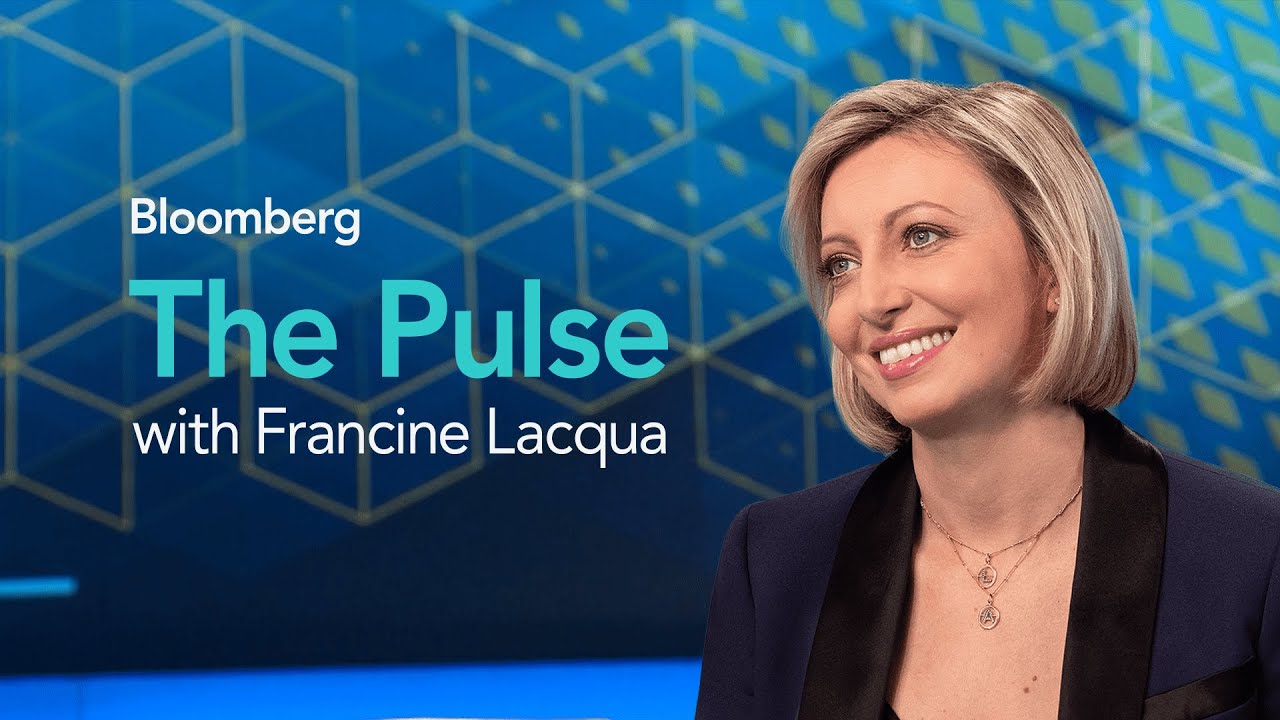
The episode of “The Pulse” with Francine Lacqua focuses on the escalating conflict in the Middle East, particularly the U.S.-Iran war, and its wide-ranging implications. The discussion opens with updates on the military situation: the U.S. claims dominance over Iranian airspace and has struck over 2,000 targets, while Iran has retaliated by targeting Israel and Gulf states. A significant development is the U.S. sinking of an Iranian warship near Sri Lanka, marking a major escalation and opening new fronts in the conflict, especially at sea. The closure of the Strait of Hormuz, despite Iranian denials, has effectively halted shipping due to soaring insurance and security risks, disrupting global energy flows.
The economic ramifications are explored with market experts, who note that while commodity prices, especially oil and gas, have surged, broader financial markets remain relatively muted, not yet pricing in a new macroeconomic regime. The uncertainty is expected to persist, with potential for prolonged high inflation and supply chain disruptions if the conflict continues. The experts highlight that energy price shocks will have global effects, particularly impacting consumer inflation in emerging markets and slowing growth in regions like Europe and Asia, which are heavily dependent on Gulf energy supplies.
The program also examines the impact on specific industries and companies. Simon Hunt, CEO of Campari Group, discusses how geopolitical instability and rising input costs, especially for energy-intensive products like glass, could affect their business. Despite these challenges, Campari is focusing on brand innovation and market expansion, particularly in the U.S., and is optimistic about continued growth and shareholder returns. The conversation underscores how companies are adapting to shifting consumer trends and economic volatility.
A key segment addresses the vulnerability of digital infrastructure in wartime. Recent drone strikes have damaged three Amazon-operated data centers in the Gulf, raising concerns about the security of critical technology assets amid conflict. The discussion highlights how the targeting of data centers could increase costs and force companies to rethink their security strategies, especially as the region invests heavily in digital infrastructure to support the AI boom. The use of AI in military operations and the regulatory tensions between tech companies like Anthropic and the U.S. government are also discussed, emphasizing the complex intersection of technology, warfare, and policy.
Finally, the show covers the broader geopolitical and economic fallout, including the responses of countries like India, which is trying to maintain neutrality despite the conflict encroaching on its sphere of influence. The closure of the Strait of Hormuz is causing significant disruptions to oil and gas exports, with producers like Iraq and Qatar already reducing output. Proposals for U.S.-led naval escorts and insurance guarantees for shipping are met with skepticism due to the high risks involved. The episode concludes with reflections on the resilience of markets and businesses in the face of ongoing uncertainty and the potential for further escalation.