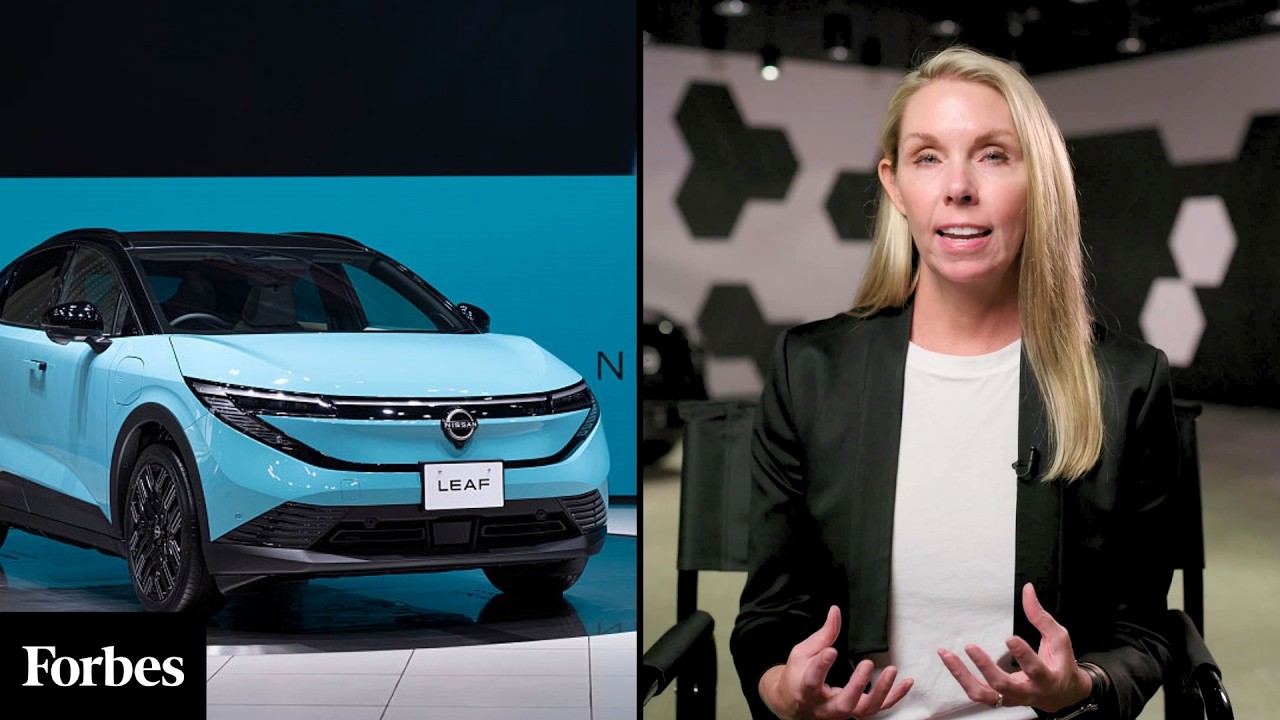
Nissan leveraged AI to transform the car-buying journey by using real-time consumer data and intent signals to deliver personalized marketing, resulting in a 25% increase in high-quality traffic and reducing the purchase cycle from 90 to 52 days. This strategic AI integration led to an 11% year-over-year growth in retail sales, making Nissan the fastest-growing mainstream automotive brand in the U.S.
Allison Witherspoon, Chief Marketing Officer at Nissan Motor Corporation, shares insights on how Nissan leveraged artificial intelligence (AI) to transform the car-buying journey. With over 25 years in the automotive industry and 12 years with Nissan, she emphasizes the importance of brands demonstrating a deep understanding of their consumers. Recognizing that traditional media efficiency metrics were no longer aligned with evolving consumer shopping behaviors, Nissan decided to adopt AI solutions to better meet customer needs throughout the entire purchase process.
Nissan’s approach involved creating an AI-driven operating system that addressed multiple use cases across the customer journey, from planning to measurement. A key opportunity identified was enhancing product discovery, as more consumers were finding vehicles through algorithm-driven recommendations rather than direct manufacturer outreach. By leveraging AI, Nissan aimed to gain a competitive edge by presenting their products to consumers based on real-time search behaviors and intent signals, rather than relying solely on predictive models.
A critical step in this transformation was improving the quality and utilization of Nissan’s extensive consumer data. The company connected this data to tangible business outcomes, such as purchase intent and conversion signals, enabling more precise targeting. AI tools were then used to deliver personalized messages and offers, allowing Nissan to engage consumers more effectively and accelerate their entry into the shopping process. This data-driven, responsive approach marked a significant shift from traditional marketing strategies.
The impact of Nissan’s AI integration was measurable and significant. The company saw a 25% increase in high-quality traffic to both its brand site and dealer network, resulting in faster conversions. Notably, the average time from consumer awareness to purchase was reduced from 90 days to 52 days. This acceleration in the buying cycle contributed to an 11% year-over-year growth in retail sales, positioning Nissan as the fastest-growing mainstream automotive brand in the United States.
Witherspoon advises other business leaders to recognize that no single AI tool can solve all challenges. Instead, it is crucial to clearly define business objectives and identify the appropriate AI solutions that align with those goals. While efficiency gains are important, the ultimate purpose of AI should be to address specific business or marketing challenges and act as an accelerator for growth and improved customer engagement. Nissan’s experience demonstrates how a strategic, multi-faceted AI approach can drive meaningful results in a competitive market.