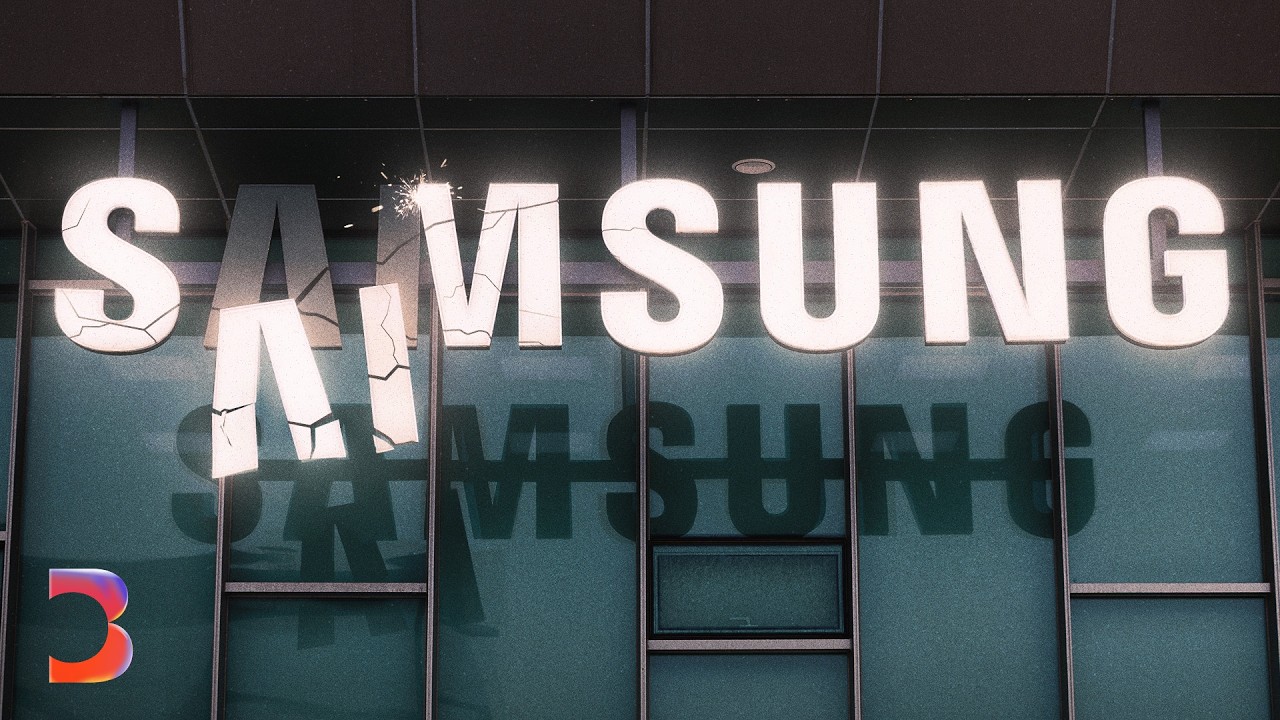
The video explores how Samsung, South Korea’s largest and most influential conglomerate, has found itself struggling to keep pace in the rapidly evolving semiconductor industry, particularly in the AI era. While globally recognized for its consumer electronics like phones and TVs, Samsung’s semiconductor division—especially its DRAM memory chips—has historically been the backbone of its profitability and a critical pillar of South Korea’s economy. However, recent years have seen Samsung’s chip profits tumble, missing analyst expectations and losing market dominance to rivals, notably SK Hynix.
SK Hynix, once a smaller competitor, has surged ahead by investing early in high-bandwidth memory (HBM), a specialized type of DRAM crucial for AI applications. The rise of AI technologies, especially after the launch of ChatGPT, has dramatically increased demand for HBM chips, which are essential for training large language models. Samsung, having underinvested in this segment, has been left behind as SK Hynix secured major contracts with industry leaders like Nvidia, fueling record profits and stock surges. This shift has ended Samsung’s three-decade lead in the DRAM market, marking a significant blow to the company.
Samsung’s challenges extend beyond memory chips to its foundry business, which manufactures chips designed by other companies. Here, Samsung faces intense competition from Taiwan’s TSMC, which dominates the global foundry market. Despite recent efforts, Samsung holds only about 8% market share and struggles to attract large customers. However, a recent $16.5 billion deal with Tesla to produce next-generation AI semiconductors offers a glimmer of hope for Samsung’s foundry division, signaling potential growth and renewed investor interest.
The video also highlights Samsung’s unique role in South Korea, where it is deeply intertwined with the nation’s identity and economy. The conglomerate’s influence spans multiple sectors, from hospitals and schools to housing and consumer goods, making its success vital to the country’s wellbeing. Samsung’s vice chairman issued a rare public apology acknowledging the company’s struggles, underscoring the gravity of the situation and the pressure to maintain its leadership in technology and economic contribution.
Ultimately, the video presents Samsung’s predicament as a cautionary tale about the fast-changing tech landscape. Despite its past dominance, Samsung now faces the risk of falling behind if it cannot innovate and invest quickly enough to meet the demands of AI-driven markets. The company is mounting efforts to catch up, but with fierce competition from SK Hynix in memory and TSMC in foundry, Samsung’s future success is uncertain. The story serves as a reminder that past achievements do not guarantee future leadership in the semiconductor industry.