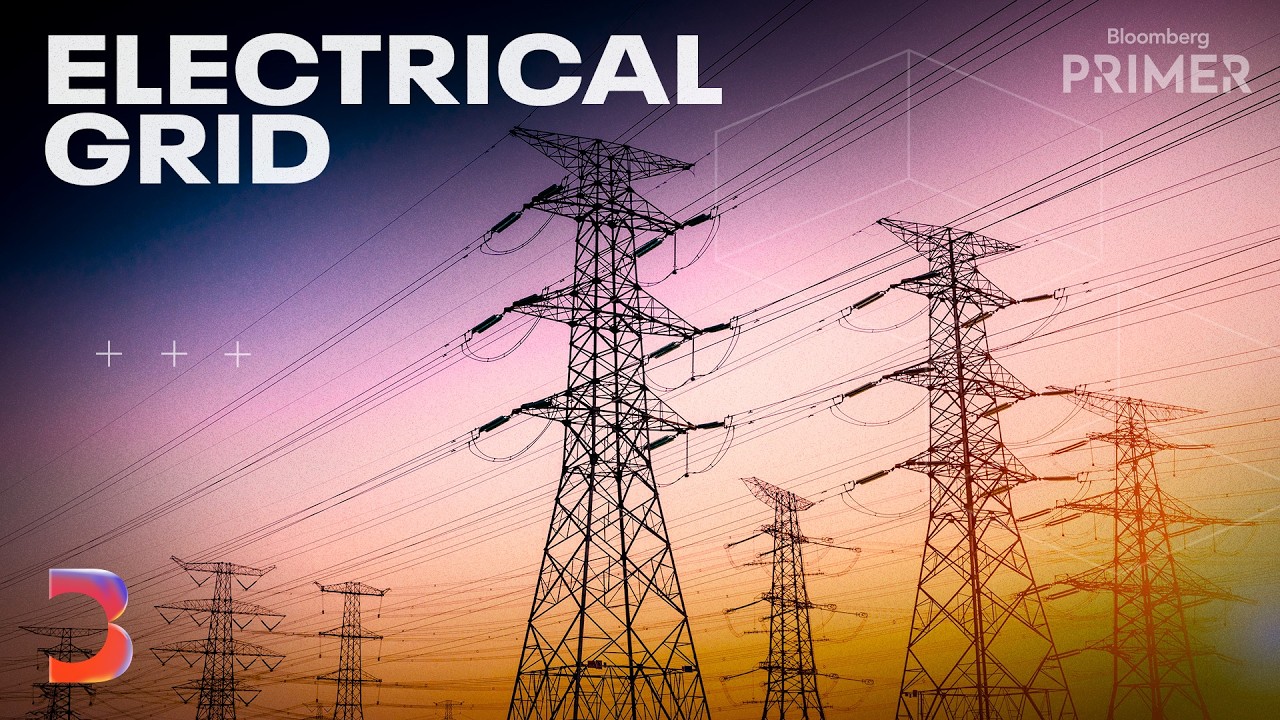
The electrical grid, often described as the world’s largest and most complex machine, is undergoing significant transformation driven by rising electricity demand from emerging technologies like artificial intelligence (AI) and electric vehicles (EVs). For decades, electricity consumption in wealthy countries remained flat due to energy efficiency improvements and shifts away from manufacturing. However, with AI data centers and EVs consuming vast amounts of power, global electricity demand is expected to double by 2050, necessitating a major expansion and modernization of power grids worldwide.
China exemplifies rapid grid growth, having increased its power generation sevenfold since 2000 to support its booming economy and manufacturing sector. In contrast, many Western countries face challenges restarting grid expansion after decades of stagnation, with aging infrastructure and dwindling skilled labor. To meet future demands, new technologies like superconducting cables are being developed to increase power transmission capacity efficiently. These cables, cooled to extremely low temperatures, can carry much more electricity than traditional copper or aluminum lines, potentially reducing the need for extensive new infrastructure.
Despite advances in hardware, maintaining grid stability remains a critical challenge, especially as renewable energy sources like solar power, which lack traditional spinning generators, become more prevalent. These spinning generators provide inertia, a crucial property that helps balance supply and demand and prevent blackouts. The 2023 blackout in Spain highlighted the risks of insufficient inertia, prompting investments in synchronous compensators—large spinning machines that mimic traditional inertia—to stabilize grids with high renewable penetration.
In regions like Sub-Saharan Africa, where many people still lack electricity, grid development is taking a different form through localized mini grids powered by solar energy. These mini grids serve small communities and provide reliable power for homes and businesses, fostering economic growth and improving quality of life. Initiatives like the World Bank-backed Mission 300 aim to expand electricity access to hundreds of millions by 2030, with the potential to interconnect these mini grids into larger networks over time.
Overall, the global electrical grid is at a pivotal moment, balancing the need for expansion, modernization, and stability amid rapidly changing energy demands and technologies. While challenges remain, innovations in transmission technology and grid management, combined with investments in infrastructure, promise to support continued economic growth and the integration of clean energy sources. The grid’s evolution will be essential to powering the future and enabling new industries to thrive worldwide.