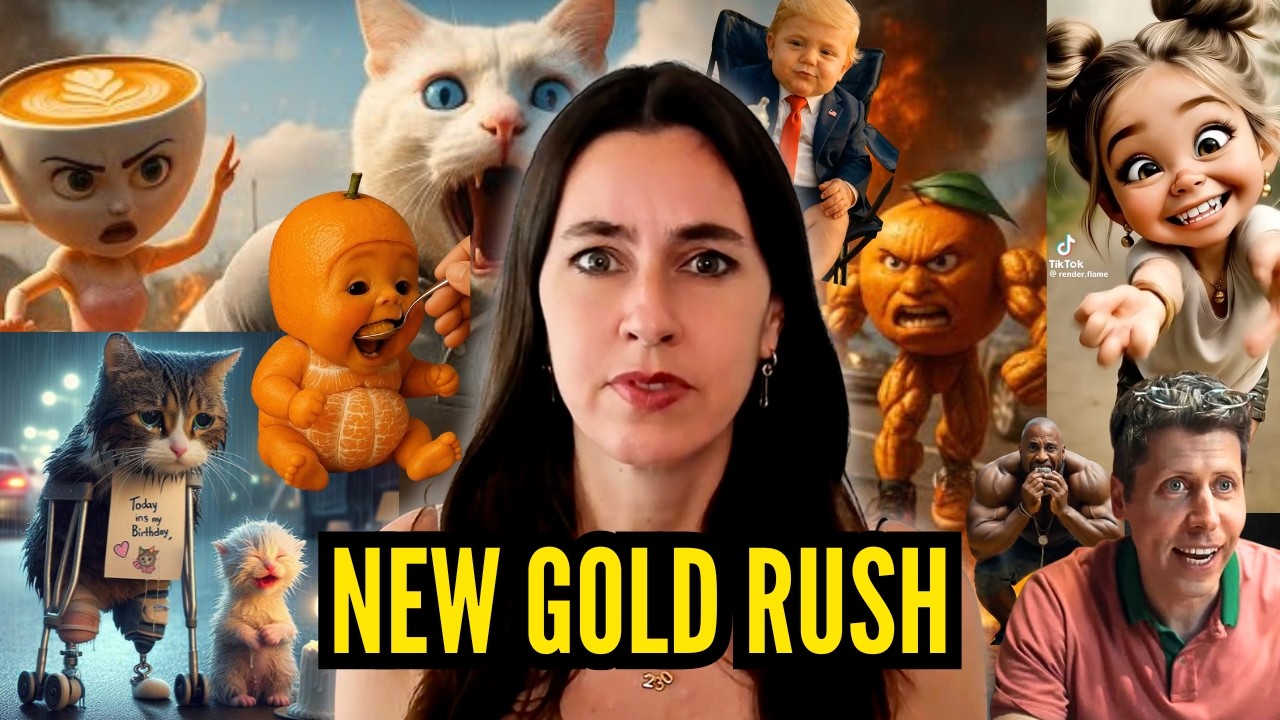
The video explores the phenomenon of “AI slop,” a term used to describe the flood of low-quality, AI-generated content saturating the internet across platforms like YouTube, TikTok, Instagram, LinkedIn, and X. Drew Harwell, a journalist from The Washington Post, discusses how this content, often bizarre and surreal, is mass-produced primarily to exploit social media algorithms for virality and monetization rather than to provide genuine value or entertainment. This trend is not entirely new; it evolved from earlier internet culture where low-quality, viral content was already prevalent, but AI tools have industrialized and accelerated its production, making it accessible to hobbyists and creators worldwide.
The emergence of AI video generation tools around 2023 marked a turning point, enabling anyone with basic technical skills to create and distribute AI-generated videos cheaply and quickly. Early tests like the “Will Smith eating spaghetti” challenge highlighted the initial limitations of AI video, but rapid advancements by companies like Google, OpenAI, and Meta have made video generation more sophisticated and widespread. This democratization of AI content creation has led to a surge in various types of AI slop, including brain rot content with evolving storylines, fake influencers, and faceless educational or history channels that often spread misinformation or fabricated narratives.
Monetization plays a crucial role in driving the AI slop economy. Many creators are hobbyists motivated by the potential to earn ad revenue or build follower bases with minimal effort. These creators often use AI tools to produce content that maximizes algorithmic engagement, sometimes watermarking videos to protect their work from being copied. While big studios and companies are beginning to experiment with AI for cost-saving purposes, especially in animation and special effects, the bulk of AI slop content currently comes from individual creators exploiting the system for profit, often at the expense of content quality and authenticity.
The video also highlights the darker side of AI slop, particularly its impact on the information ecosystem. Politically charged AI-generated content, often designed as “rage bait,” manipulates emotions and spreads misinformation, exacerbating polarization and confusion. This type of content is especially effective because it looks realistic and can fool many viewers, including older demographics less familiar with AI-generated media. The incentives on social media platforms reward such content with views and engagement, creating a vicious cycle where creators are encouraged to produce more divisive and misleading material for profit and influence.
In conclusion, while AI slop currently dominates many social media feeds, there is a growing awareness of its limitations and negative effects. Both creators and audiences are beginning to recognize the low shelf life and superficiality of much AI-generated content. There is hope that a backlash will emerge, favoring authentic, human-made content that offers genuine connection and creativity. The video suggests that platforms need to rethink their incentive structures to prioritize quality over virality and that the future of online media may involve a renewed appreciation for human-driven storytelling amidst the AI-generated noise.