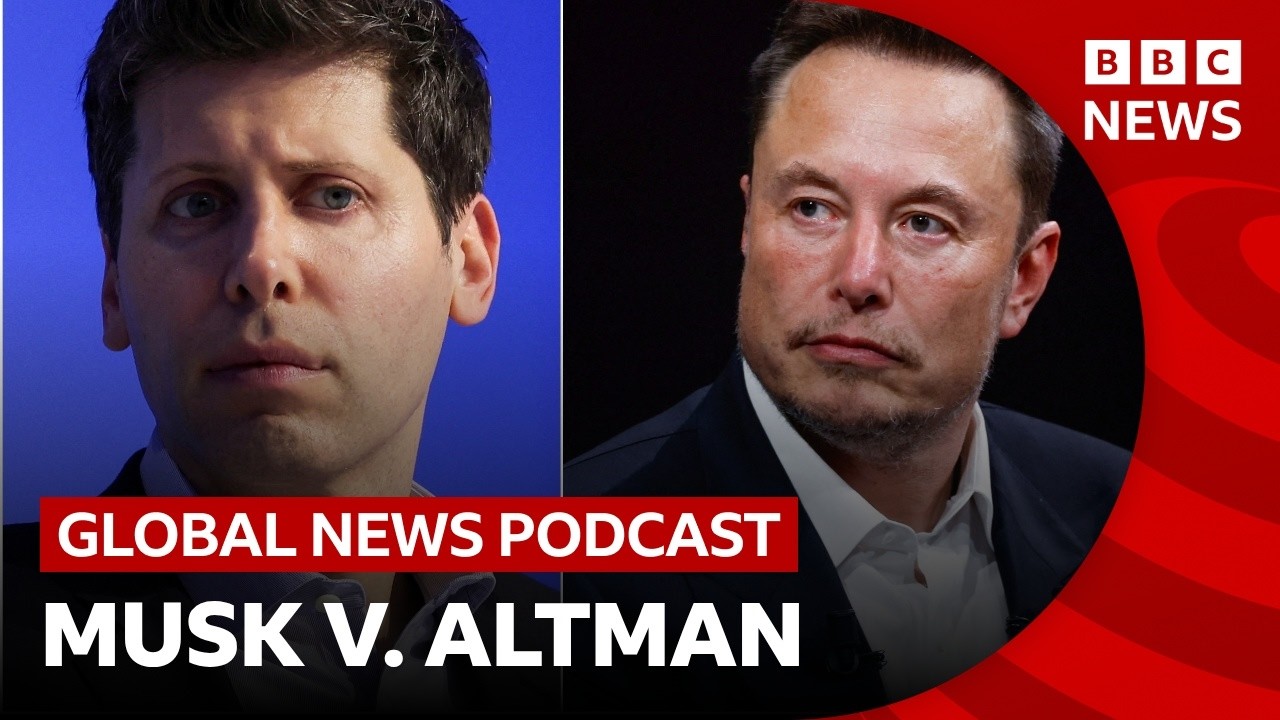
The lawsuit between Elon Musk and Sam Altman centers on Musk’s claim that he was misled about OpenAI’s shift from a nonprofit to a for-profit model, with broader implications for the future development and regulation of artificial general intelligence (AGI). The case highlights intense competition among tech billionaires, concerns over AI governance, and could lead to significant changes at OpenAI, impacting the AI industry’s business and ethical landscape.
The ongoing lawsuit between Elon Musk and Sam Altman, co-founder of OpenAI, centers on Musk’s claim that he was misled and swindled out of approximately $38 million in donations related to OpenAI’s founding. Musk alleges that OpenAI abandoned its original nonprofit mission to develop artificial general intelligence (AGI) for the benefit of humanity, shifting instead toward a for-profit model. He is seeking billions in damages, a major restructuring of OpenAI, and potentially the removal of Altman as CEO. OpenAI denies these claims, stating that the transition to a for-profit structure was agreed upon in 2017 and that Musk himself sought control of the company at that time, which was refused by the board.
At the heart of the dispute is not just money but the broader implications of AI development, particularly the race toward AGI—AI that surpasses human intelligence and capabilities. While some tech leaders claim AGI is imminent and worth massive investment, many experts believe it remains a distant goal and that current technologies like large language models may be technological dead ends. The development of AGI raises profound societal questions about automation, employment, and the kind of future society wants to build, prompting governments and citizens to consider the ethical and philosophical impacts of such transformative technology.
The trial also highlights the intense competition among tech billionaires for dominance over AI technology, which has vast potential power and influence. Critics view these figures as a homogeneous group wielding enormous control over society and technological progress, often with close ties to governments. This concentration of power raises concerns about the risks involved in the rapid development of AI, especially given the relatively lax regulatory environment worldwide. The race to develop AGI is seen by some as a high-stakes contest with potentially catastrophic consequences if mismanaged.
Regarding regulation, the case underscores a geopolitical dimension where Western tech companies argue that stringent regulations could hinder their ability to compete with China, which may not impose similar restrictions. This dynamic creates a tension between the desire for responsible AI governance and the fear of losing technological leadership to other global powers. Many governments currently adopt a soft regulatory approach, aligning with tech companies’ interests to maintain competitiveness, but this raises questions about the adequacy of oversight in managing AI’s risks.
If Musk succeeds in the lawsuit, it could lead to significant changes at OpenAI, including a possible leadership shakeup and substantial financial payouts. Given OpenAI’s plans to go public with a valuation potentially reaching $1 trillion, the outcome has major implications for the business and investment landscape of AI. While AI companies require enormous funding and currently show limited returns, they hold the promise of becoming some of the most powerful and influential firms globally. The lawsuit thus reflects both the high stakes and uncertainties in the rapidly evolving AI industry.