The video explains how the Pentagon has rapidly increased its reliance on AI in military operations, highlighted by the use of advanced AI systems like Maven during recent US-Israel airstrikes against Iran. It also discusses the ethical and strategic concerns raised by tech leaders and workers, especially as the US pushes for more autonomous weapons despite technical and safety limitations.
The United States has recently taken significant steps that could influence the trajectory of AI-powered warfare. On February 27th, President Trump declared that Anthropic, a leading AI company, posed a supply chain risk. Anthropic was notable for producing the first generative AI products certified to operate on the government’s classified cloud networks. This move was unprecedented, as such policy tools are typically reserved for foreign adversaries, and it effectively blacklisted one of the most promising American AI labs.
Just a day later, on February 28th, the US and Israel launched airstrikes against Iran. While this operation did not fully embody the kind of autonomous robot warfare that Anthropic has cautioned against, it did signal a shift toward greater reliance on AI in military operations. The Pentagon utilized an AI mission control platform called Maven Smart System, which enabled them to strike around a thousand targets within the first 24 hours—double the scale of the initial US air assault on Iraq in 2003.
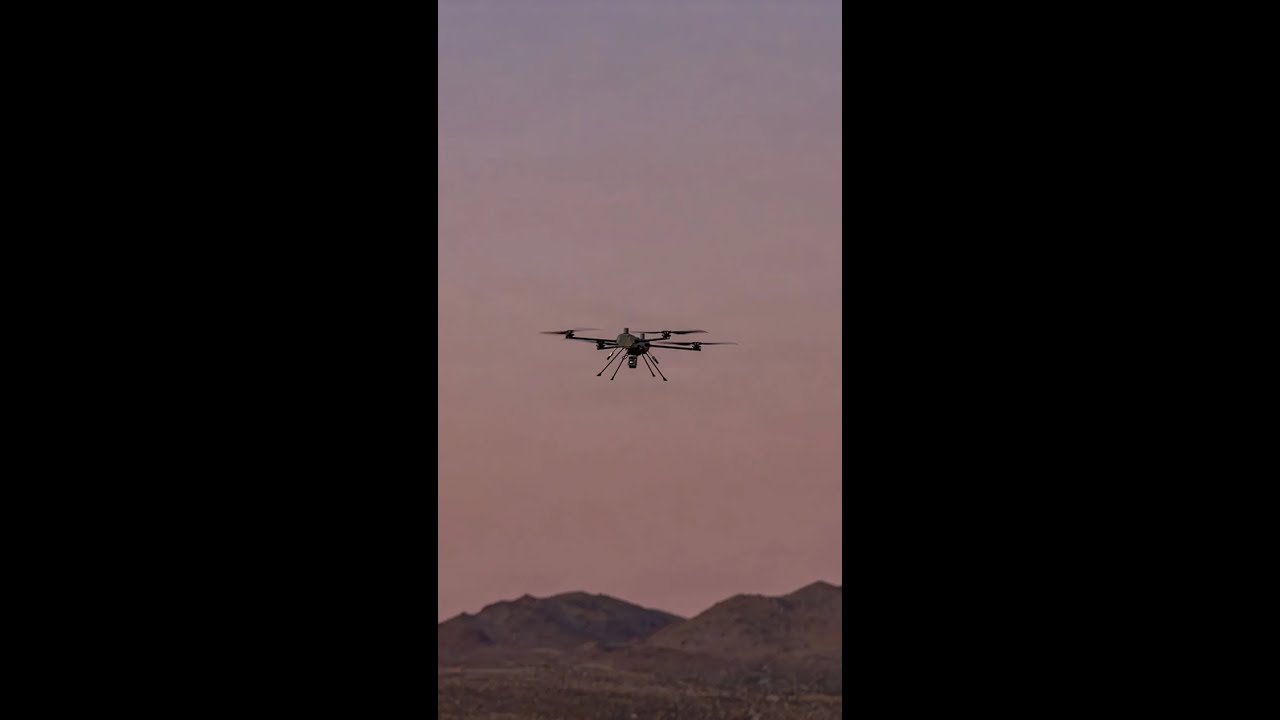
Project Maven, initiated in 2017, has been at the forefront of integrating AI into military operations. The team behind Maven has expanded its focus in recent years, with defense officials aiming to deploy AI directly onto drones. The Pentagon’s long-term goal is to achieve fully autonomous drones capable of selecting and engaging targets independently. However, technical challenges and bureaucratic obstacles have slowed progress, and the technology is not yet advanced enough for such autonomy.
Anthropic’s CEO, Dario Amodei, has publicly stated that generative AI is not ready to safely power fully autonomous weapons. He has also expressed unwillingness to contribute to their development without proper safeguards in place. In response to these limitations, US officials have approached other AI companies, requesting immediate and free access to technology that could assist with targeting, according to sources familiar with the effort.
These developments have sparked concern among tech workers at leading AI labs, who worry about the ethical and strategic implications of military AI. After a decade of investment in military AI, some fear that the US could fall behind at a critical moment, especially as tensions rise globally. As one insider noted, the recent operations in Iran may serve as a preview of what could happen if conflict were to erupt with China over Taiwan, highlighting the urgent need for careful consideration of AI’s role in future warfare.