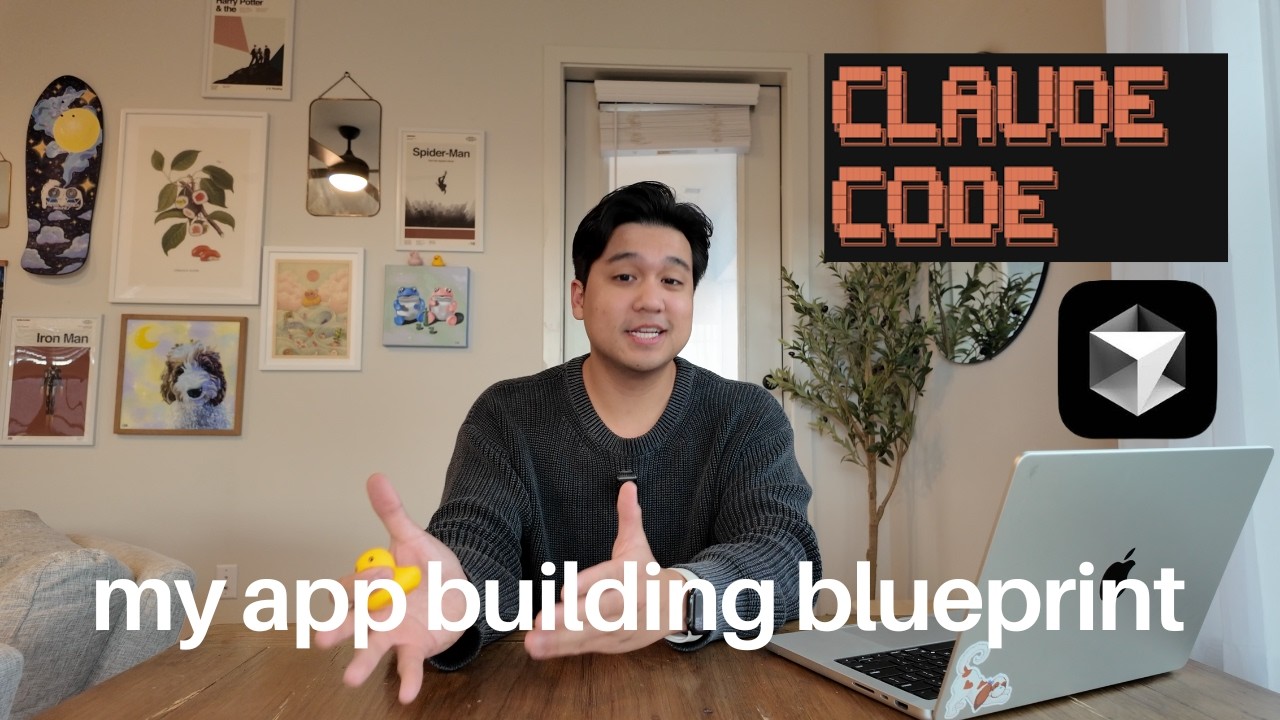
The video, hosted by Chris, an experienced productivity app developer, serves as a comprehensive guide for beginners and aspiring app builders in 2026. Chris emphasizes that now is one of the best times to start building apps due to the advancements in tools and AI, making the process much more accessible—even for those without technical backgrounds. He outlines his plan to walk viewers through the entire process: from finding app ideas, building the app (with or without coding experience), to acquiring the first users without spending money.
Chris begins by addressing the common challenge of coming up with an app idea. He advises viewers to look for problems or pain points in their own lives, as many successful apps are born from personal needs. If that approach doesn’t yield ideas, he suggests improving existing apps or simply recreating basic apps to gain experience. The key is to start building, as the process itself will help develop the skills needed to identify better ideas and workflows over time.
When it comes to building the app, Chris highlights the transformative role of AI coding tools, which have lowered the barrier to entry. For complete beginners, he recommends starting with no-code AI platforms like Anything.com, Lovable, Bolt, or VZero, as these handle complex aspects like deployment and security, allowing users to focus on learning how to communicate with AI and solve problems. For those with more experience, he suggests graduating to tools like Cursor or Claude Code, which offer greater control and complexity. He shares practical tips for using these tools effectively, such as using “plan mode” to review changes before execution and leveraging plugins and debugging features.
Chris also stresses the importance of setting up analytics early in the development process, using platforms like PostHog to track key metrics such as conversion rates and week-one retention. He shares a real-world example where analytics revealed a significant drop-off at the signup stage, which he was able to fix by adding more login options. Tracking metrics like week-one retention helps determine if the app is providing enough value for users to stick around and guides future product decisions.
Finally, Chris discusses strategies for acquiring users, noting that building the app is often easier than distributing it. He recommends starting with organic downloads from app stores, optimizing listings, and gathering reviews. Other effective methods include engaging with relevant communities on Reddit and forums, founder-led marketing (building in public), and experimenting with user-generated content and paid ads. He encourages viewers to enjoy the process, iterate on their ideas, and not be discouraged by setbacks, emphasizing that persistence and a willingness to learn are key to long-term success in app development.