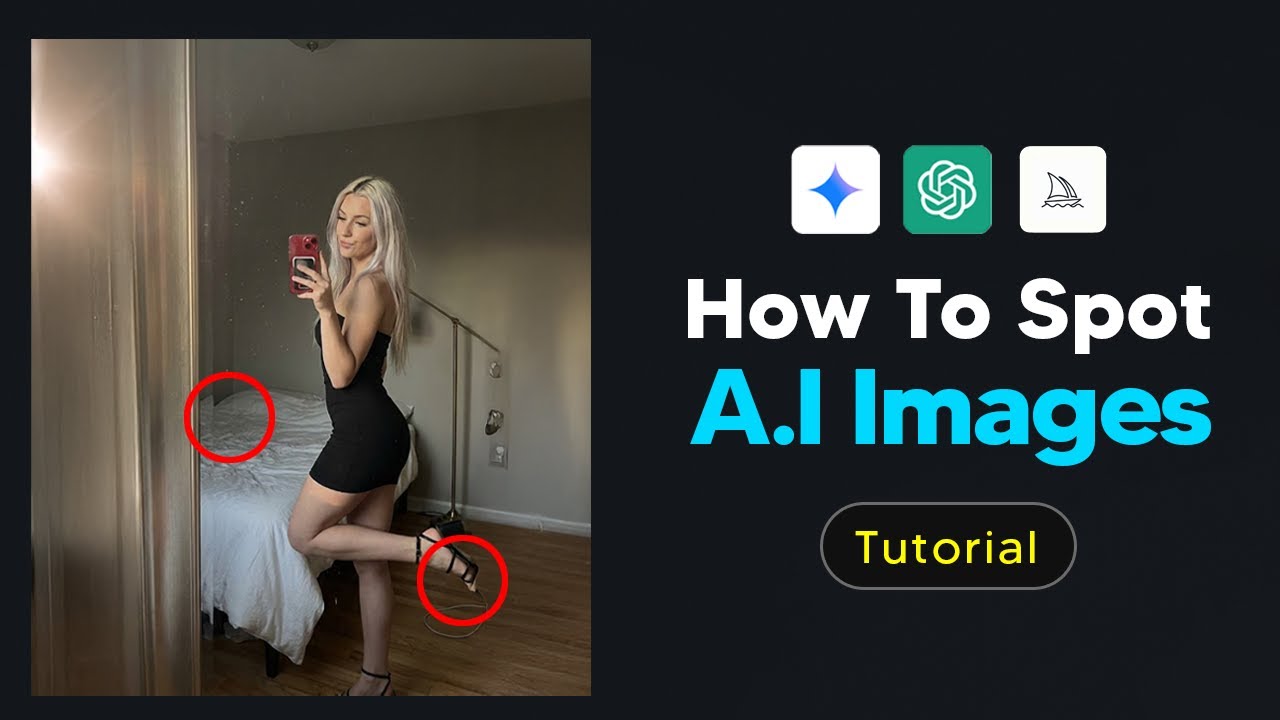
The video provides a comprehensive guide on how to identify AI-generated images, starting with the most effective and advanced methods. The first and most recommended tool is SynthID, developed by Google DeepMind. SynthID embeds invisible watermarks into AI-generated images, which remain detectable even after modifications like cropping or filtering. To use this tool, users can access it through Google Gemini by enabling SynthID in the settings, then uploading or pasting the image in question and asking Gemini to analyze it. This method is particularly effective for photorealistic images created by Google AI, and it works even on screenshots or cropped versions of the original image.
The second method discussed is the use of Content Credentials, a free tool that inspects the metadata of images to determine their origin. By uploading an image, users can see details such as whether it was generated by an AI tool, the issuing company (like Google or OpenAI), and the creation time. This method is highly effective when the image retains its metadata, but it is less reliable for screenshots, as these often strip away the necessary information. Content Credentials is especially useful for downloaded images, providing a clear history of the image’s creation and modifications.
The third tool introduced is Hive AI, which uses an API to scan images and provide a confidence score indicating the likelihood that an image is AI-generated. Hive AI is capable of analyzing some screenshots and provides detailed tags about the image’s origin, such as the specific AI model used. However, the tool can sometimes produce false negatives, especially with cropped or low-resolution images, making it less reliable in edge cases. The video emphasizes that while Hive AI is powerful, it should not be solely relied upon for definitive results, particularly when image quality or completeness is compromised.
A fourth, simpler method is reverse image search, which helps determine if an image exists elsewhere on the internet. By uploading an image to Google Images and searching for matches, users can check if the image is associated with real people or events. If no matches are found, especially for images that should be publicly available, it is likely that the image is AI-generated. While not foolproof, reverse image search is a valuable supplementary tool for verifying the authenticity of images, particularly those claiming to depict public figures or widely recognized scenes.
Finally, the video covers visual inspection techniques, such as examining blurred objects, text, and skin texture. AI-generated images often fail to render text accurately, resulting in illegible or nonsensical writing when zoomed in. Similarly, objects and faces may appear blurred or distorted upon close inspection. Another giveaway is unnaturally smooth skin texture, which is common in AI-generated portraits. By scrutinizing these details, users can often spot inconsistencies that reveal an image’s artificial origin. The video concludes by encouraging viewers to combine these methods for the most reliable results in identifying AI-generated images.