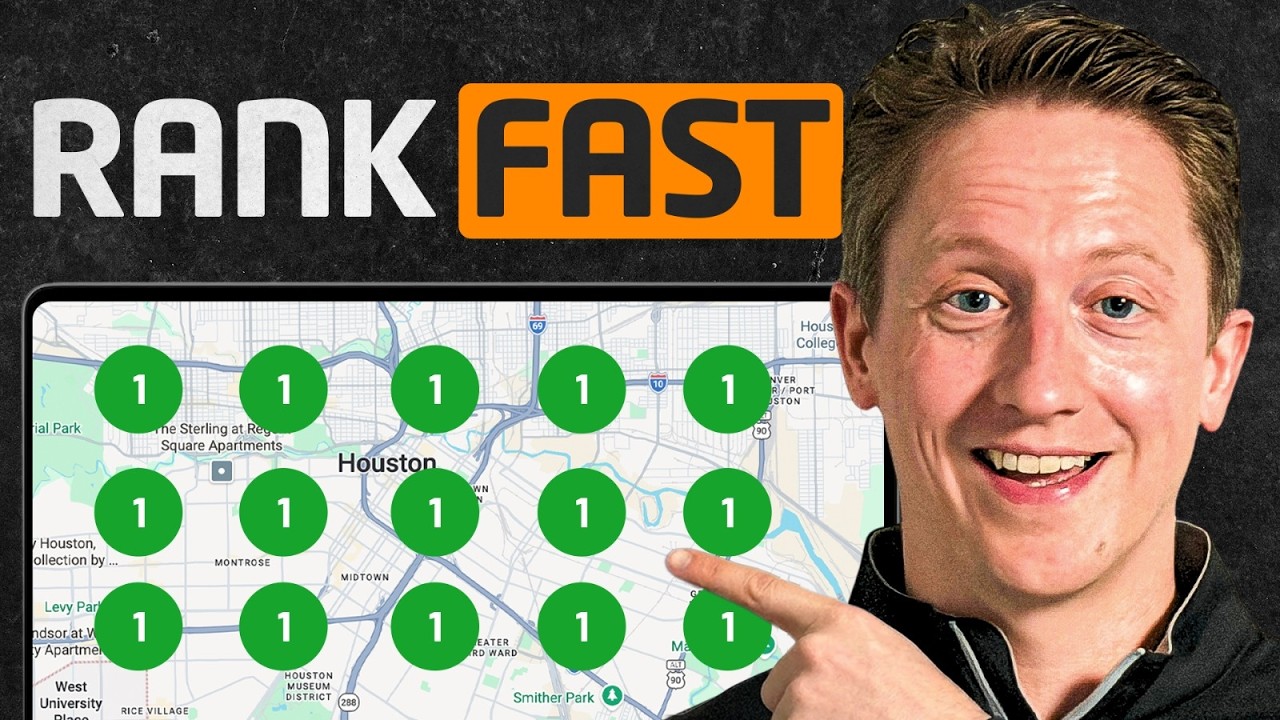
The video explores how to rank effectively in highly competitive local markets, using the example of personal injury lawyers in Houston—a market where cases can be worth $10,000 each and firms spend heavily on SEO just to appear on the first page. The speaker critiques common SEO advice like posting frequent blogs, emphasizing instead the importance of being visible in the Google Map Pack at the moment potential clients search. He analyzes the top-ranking firms, highlighting their strategic use of title tags, headings, and compelling unique selling propositions that speak directly to both users and AI systems like Google’s Gemini.
A detailed case study of Zel and Associates illustrates best practices in local SEO. Their website features optimized title tags and H1 headings that include primary keywords and persuasive taglines, extensive social proof through reviews and awards, embedded videos, and well-structured schema markup. The site is large, with thousands of indexed pages, and actively integrates YouTube content to signal authority to Google’s AI. This comprehensive approach aligns with emerging AI-driven search features like Ask Maps, which prioritize trust and authority over proximity.
In contrast, the video examines Arnold and Itken, a firm with many reviews but a weaker SEO presence. Their website suffers from poor design choices, irrelevant content focus, lack of video and social proof, and insufficient page depth. The speaker recommends restructuring their Google Business Profile (GBP) landing pages to function as pseudo-homepages, building out a “core 30” of service and location-specific pages to establish strong geographic and topical relevance. This strategy leverages AI’s preference for detailed, entity-linked content rather than generic or historical information.
The speaker also discusses how AI search differs from traditional Google Maps rankings, noting that AI systems like ChatGPT prioritize trust, authority, and specific attributes over proximity. This explains why some firms highly specialized in truck accidents but located outside Houston rank highly in AI recommendations despite not appearing prominently in local map results. The importance of gathering diverse, detailed reviews across multiple platforms is emphasized to improve AI-driven search visibility.
Finally, the video invites viewers to explore further SEO strategies through the AI SEO Mastery School, promising deeper insights into multilocation optimization and homepage improvements. It teases a follow-up case study on seasonal, high-competition markets like ski gear in Denver, where local businesses compete against national retailers and Amazon, highlighting the evolving challenges and tactics in local SEO.