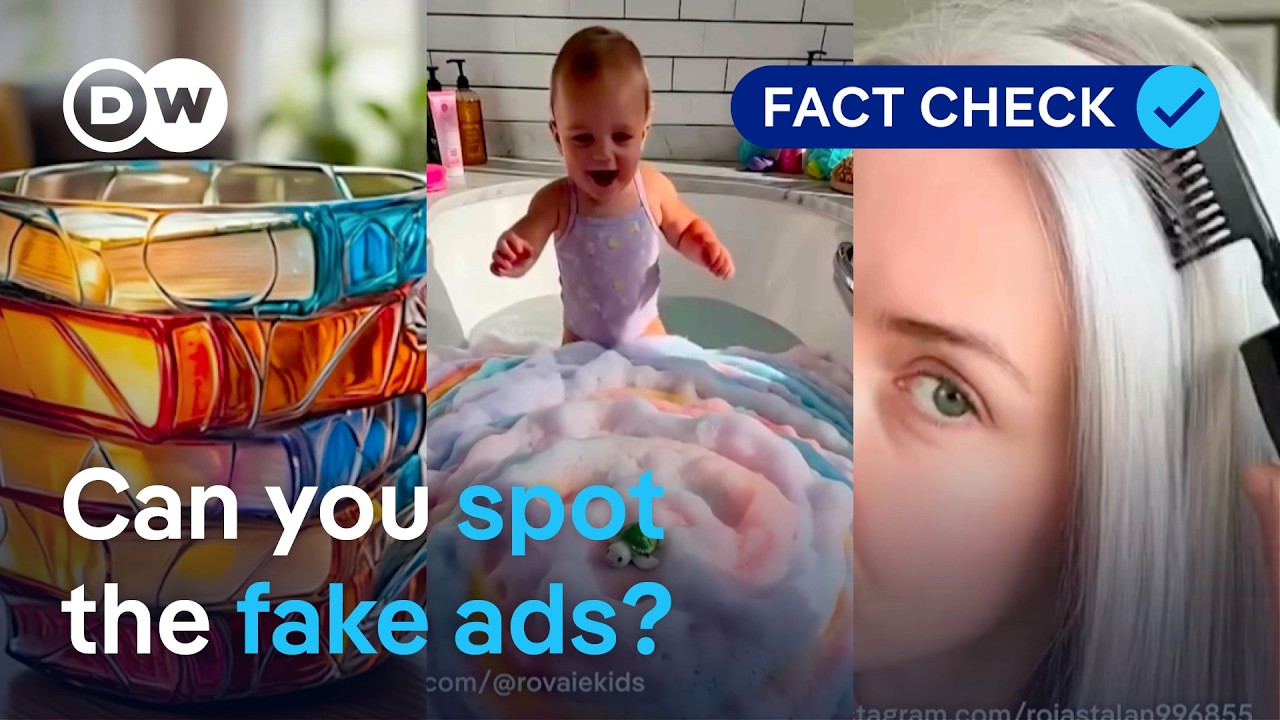
The video highlights the rise of fake AI-generated ads promoting unreal products on social media and legitimate platforms, which often lead to scams involving subpar goods, malware, or fraudulent charges. It advises viewers to stay cautious by verifying product authenticity through reverse image searches, checking website credibility, and being wary of suspicious endorsements, while noting the challenges platforms face in moderating such deceptive content.
The video discusses the rise of fake AI-generated advertisements on social media that promote unreal products, such as a glass mug designed to look like a stack of books. These ads often feature AI-created images and models, making the products appear genuine and enticing. However, many users who fall for these ads end up receiving subpar products or nothing at all, sometimes even landing on shady websites that can download malware or charge users fraudulently.
Scott Shafer, a YouTuber who tracks these scams, highlights that such fake products are not only found on obscure websites but also on legitimate platforms like Amazon. Although these listings may eventually be taken down after multiple reports, scammers frequently create new listings, making it difficult to completely eliminate the problem. The ads often use fake customer testimonials, steep discounts, and limited-time offers to pressure users into making quick purchases.
The creation of these fake ads has been made easier by advances in AI video generation technology. Anyone with basic computer skills can generate convincing advertisements by simply providing detailed prompts about the product, target audience, and messaging. This ease of creation allows scammers to produce and spread fake ads rapidly, making quick profits before disappearing.
To protect themselves, viewers are advised to be cautious of offers that seem too good to be true and to perform reverse image searches to check if the product appears on multiple platforms at varying prices. Verifying the credibility of the website URL is crucial, as entering personal or financial information on suspicious sites can lead to phishing attacks, unauthorized charges, and misuse of data. Additionally, suspicious celebrity endorsements and lack of authentic reviews or disabled comment sections are red flags.
The video also touches on the challenges social media platforms face in moderating these AI-generated scam ads. The volume and realism of such content make automated detection difficult, and platforms often act only after users report the ads, sometimes after damage has occurred. Experts warn that as AI tools become more accessible, these scams will continue to spread rapidly, urging users to remain vigilant and skeptical of suspicious online offers.