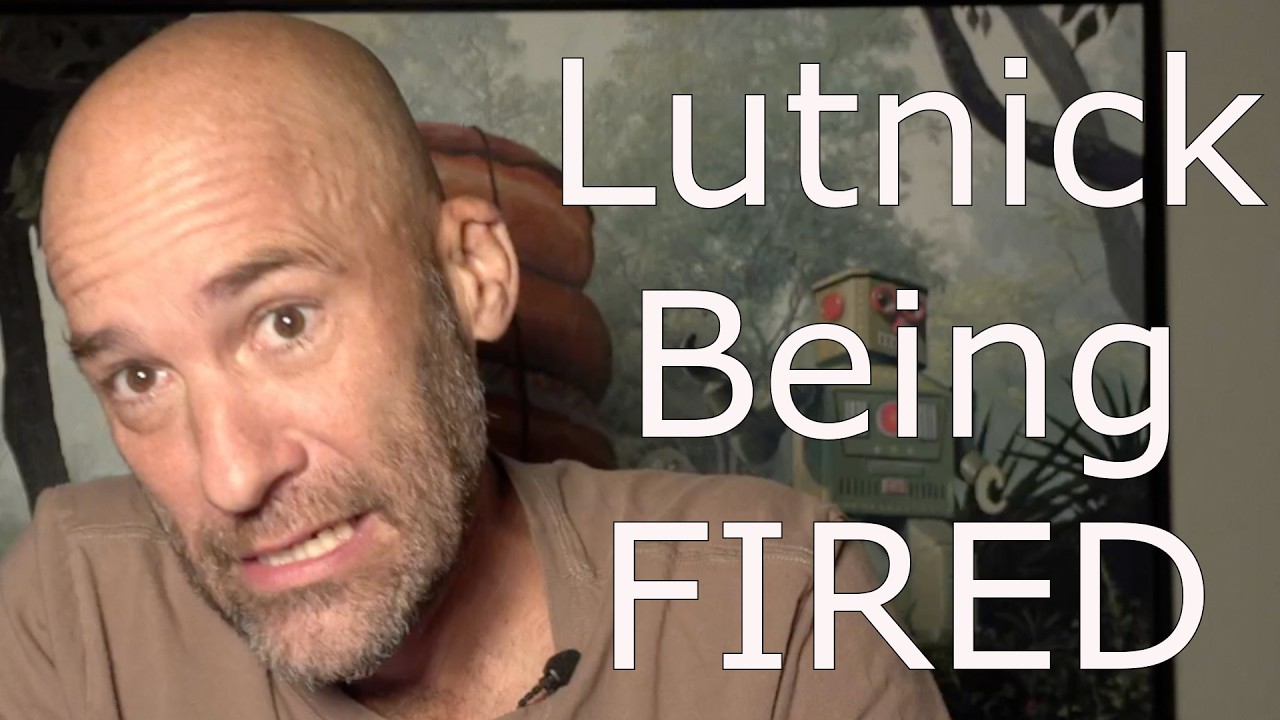
The recent Nvidia scandal has brought significant scrutiny to key figures like Howard Lutnick and Jensen Huang amid allegations of inappropriate ties with Chinese entities. Jensen Huang, Nvidia’s CEO, resigned following reports of multiple affairs, including one with Alice Wong, who is suspected of spying for China. Howard Lutnick, the US Commerce Secretary, faces pressure and potential dismissal for alleged inaction regarding warnings about these ties and delays in blacklisting Mega Speed, a Singaporean company linked to Wong that purchased billions in Nvidia chips. This situation highlights concerns about the US government’s inconsistent policies and enforcement related to national security and trade with China.
Nvidia reportedly generated up to 20% of its revenue from questionable sources, involving sales to China that, while technically legal, should not have occurred under existing export controls. The scandal exposes the blurred lines and loopholes in US trade regulations, exacerbated by personal relationships influencing policy decisions, particularly during the Trump administration. Jensen Huang’s public praise of Trump and Nvidia’s questionable dealings suggest a lack of balanced and rational policy enforcement, raising questions about the integrity of US industrial and national security strategies.
The bipartisan political response to the scandal underscores the gravity of the issue. Both Democrats and Republicans criticize Lutnick’s handling of the situation, with calls for thorough investigations and accountability. Senators from both parties emphasize the need to protect sensitive US technology and question whether national security was compromised. The controversy also reflects broader tensions in US-China relations, where anti-China sentiment has become a rare point of consensus amid otherwise polarized political landscapes.
Beyond the immediate scandal, the situation reveals deeper systemic problems in US policy, particularly regarding investment in STEM education, healthcare, and support for startups. The focus on punishing China overshadows the need to build and empower the American industrial base and workforce. The speaker highlights the challenges faced by entrepreneurs in the US, such as inadequate healthcare support, which hampers innovation and economic growth. This neglect contrasts sharply with the aggressive stance toward China, suggesting a misalignment of national priorities.
Looking ahead, the Nvidia scandal may have far-reaching consequences for US policy and the global AI race. Nvidia’s advanced AI chips are crucial in developing cutting-edge AI models, making the company’s stability vital to US competitiveness against China. The controversy could intensify the already strict export controls and anti-China policies, potentially disrupting the AI industry and US-China relations. As political pressures mount, the outcome of this scandal will likely influence how the US navigates technology, national security, and international diplomacy in the coming years.
Useful Links