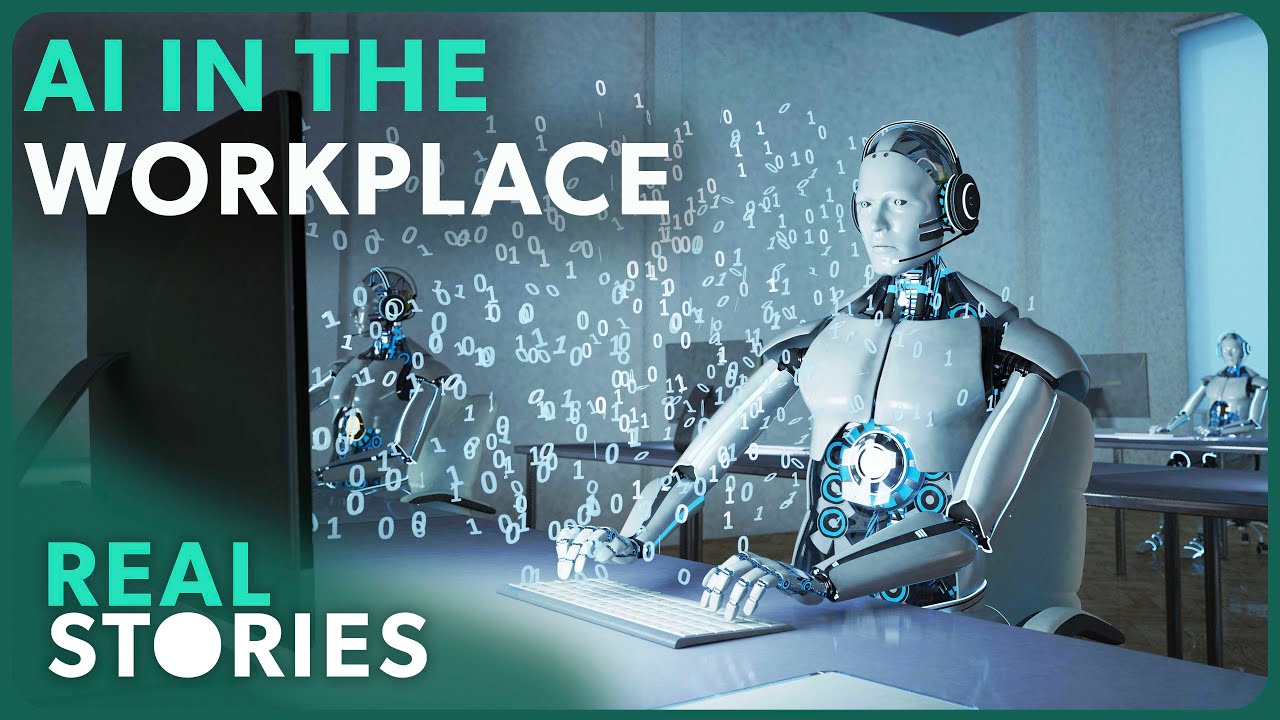
The BBC documentary “Human vs AI: Will Artificial Intelligence Take Your Job?” explores how emerging technologies like AI, gene therapy, and renewable energy are transforming healthcare, mental health, environmental sustainability, human augmentation, and transportation. While highlighting the potential benefits and ethical challenges of these advancements, it emphasizes that human qualities such as empathy and judgment remain vital as technology reshapes our future.
The BBC documentary “Human vs AI: Will Artificial Intelligence Take Your Job?” explores the transformative impact of emerging technologies on various aspects of our future lives. It begins by examining advancements in healthcare, highlighting how gene therapy and AI-driven diagnostics are revolutionizing medicine. For instance, innovative treatments like engineered T-cells are offering new hope for cancer patients, while AI systems are beginning to assist doctors by diagnosing illnesses with remarkable accuracy. These developments suggest a future where medical care becomes more personalized, efficient, and accessible, although human empathy and judgment remain irreplaceable.
The program also delves into the future of human longevity and mental health. It discusses how scientific research into creatures like the naked mole rat, known for its exceptional lifespan and cancer resistance, could unlock secrets to extending human healthspan. Mental health, a growing concern worldwide, is addressed through cutting-edge brain mapping techniques that aim to better understand and treat disorders such as autism, schizophrenia, and dementia. These advances in neuroscience hold promise for improving mental health outcomes and reducing the societal and economic burdens associated with these conditions.
Climate change and renewable energy form another critical focus of the documentary. It presents stark data on rising global temperatures, melting ice caps, and the resulting threats to coastal cities. Innovative solutions like high-altitude wind energy harnessed by flying kites demonstrate how technology can help meet increasing energy demands sustainably. The program emphasizes the need for diverse renewable energy sources to combat climate change and ensure a stable energy future, highlighting both the challenges and the optimism surrounding environmental stewardship.
The documentary further explores the integration of technology with the human body, showcasing individuals who have embraced cyborg enhancements to regain or augment abilities. From prosthetics connected directly to the nervous system to sensory implants that provide new ways of perceiving the world, these examples illustrate the potential for human-machine hybrids to expand human capabilities. This segment raises questions about the ethical and social implications of such enhancements and the evolving definition of what it means to be human.
Finally, the future of transportation and urban living is examined through the lens of autonomous systems and flying cars. The documentary showcases advances in drone technology and AI-coordinated robotic networks that prevent collisions and optimize movement, suggesting a future where personal flying vehicles could alleviate traffic congestion and transform commuting. While acknowledging the unpredictability of future innovations, the program concludes with a hopeful message that many of the technological breakthroughs discussed will indeed shape our lives, alongside unforeseen developments that will continue to surprise and redefine our world.