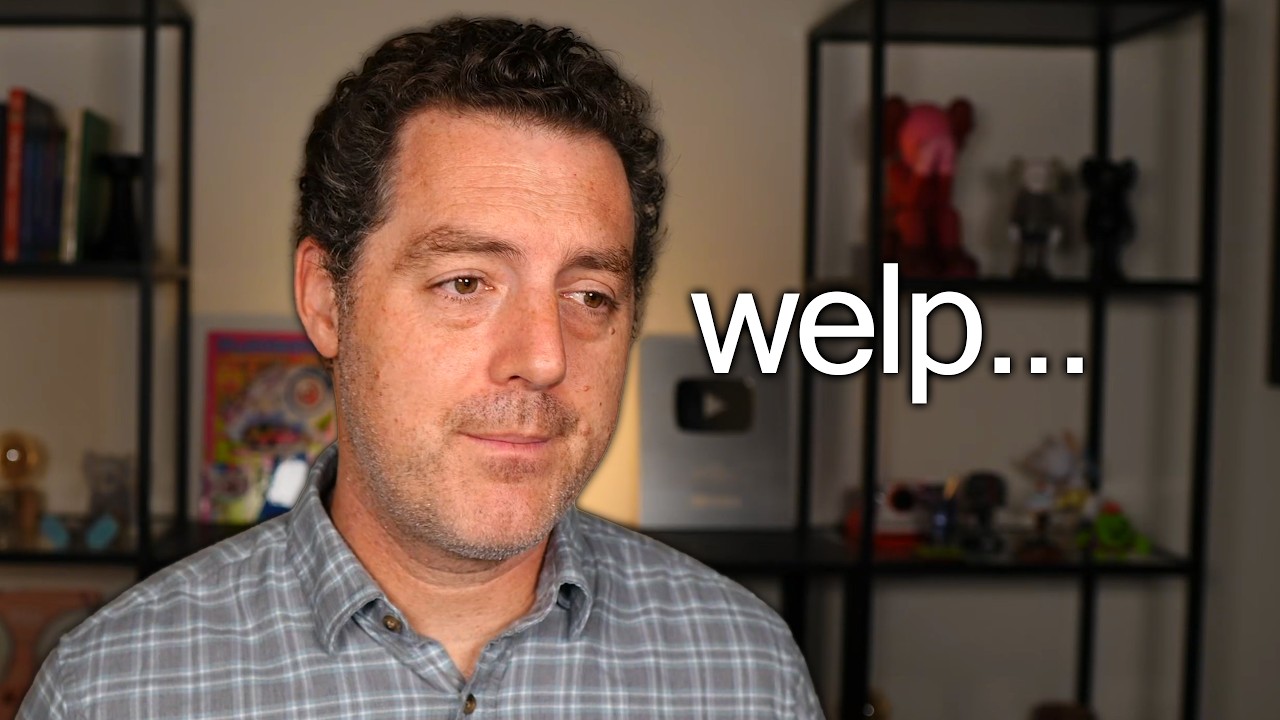
The video expresses deep disappointment and concern over recent developments in the AI industry, particularly focusing on the limited release of GPT-5.6 and the influence of Anthropic and its CEO, Dario Amodei. The speaker argues that Anthropic’s fear-based marketing campaign has led to aggressive government regulation, resulting in restricted access to cutting-edge AI models. This regulatory capture means only a select few large companies get early access to frontier AI technologies, while startups, independent builders, and the broader public face delays and barriers, stifling innovation and democratization of AI.
Anthropic’s claims about cybersecurity threats, including accusations against Chinese companies like Alibaba for distillation attacks, have played a significant role in convincing the US government to impose strict controls. However, the speaker points out that prompt hacking and model vulnerabilities are inherent to large language models, making complete security impossible. The government’s response has been to limit access to these models, such as banning non-US citizens from using Anthropic’s Fable model and requiring OpenAI to stagger the release of GPT-5.6, further slowing down the pace of AI deployment.
This regulatory environment is causing a concentration of power among a few dominant players, primarily OpenAI and Anthropic, who continue to develop and improve their models internally while the rest of the industry lags behind. The speaker worries about the long-term consequences for competition, innovation, and economic growth, as smaller companies and new startups struggle to keep up without access to the latest AI capabilities. Additionally, OpenAI’s IPO is being delayed, partly due to regulatory uncertainty, which affects investors and the broader market eager to participate in AI’s growth.
Industry experts quoted in the video echo these concerns, highlighting that de facto AI regulation is now a reality, potentially slowing the rapid iteration and deployment of new models. They warn that this could reduce competitive pressure, leading to less frequent but larger model updates, which may be riskier from a safety perspective. There is also apprehension about how regulation might extend to open-source AI models, potentially restricting access to compute resources like GPUs and further centralizing control over AI development.
In response to these challenges, the speaker urges viewers to support open-source AI initiatives as a crucial counterbalance to the growing concentration of power. They emphasize the importance of democratizing AI access to ensure broader participation in AI innovation and value creation. The video concludes with a call to action for individuals to engage with their government representatives to oppose restrictive regulations and to actively explore and contribute to open-source AI projects, hoping to preserve a more open and competitive AI ecosystem.