The speaker expresses skepticism about the effectiveness of AI in coding, arguing that while AI can assist with some tasks, it often produces vague and imprecise results, leading to increased bugs and less secure code. They advocate for the importance of human expertise in coding and caution against over-reliance on current AI models, while promoting educational resources for learning.
In the video, the speaker expresses skepticism about the role of artificial intelligence (AI) in coding, particularly regarding the belief that AI can replace traditional coding skills. The speaker reflects on the trend of suggesting that future software development will involve coding in natural language, which they find problematic. They argue that coding is akin to mathematics, requiring precision and strict rules, and that AI models often produce vague and imprecise results when tasked with generating code from human language.
The speaker discusses recent studies evaluating the impact of generative AI on software developer productivity. One study conducted at Microsoft found a 26% increase in productivity, but this was primarily measured by the number of pull requests, which the speaker notes is not a comprehensive measure of actual coding efficiency. They highlight that the gains were minimal for senior developers, suggesting that the benefits of AI in coding may not be as significant as initially thought.
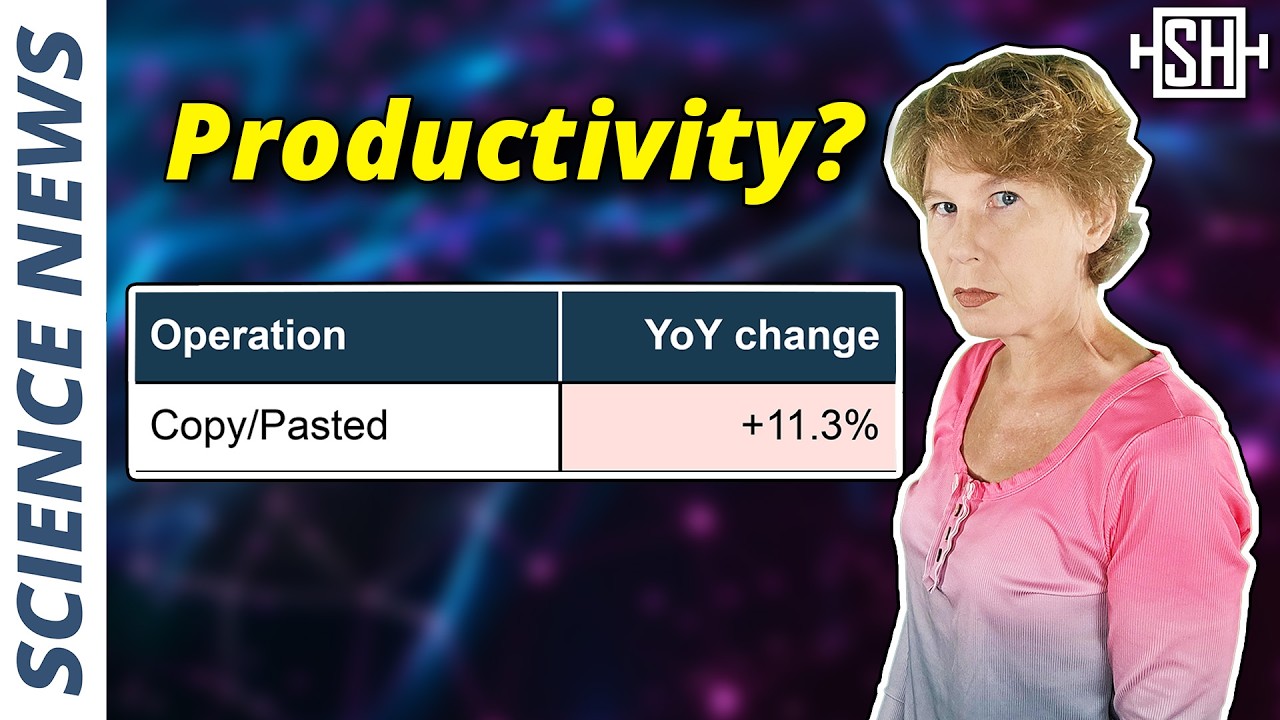
Further studies reveal concerning trends, such as an increase in bugs and mistakes in code produced with AI assistance. One study indicated that developers using AI were writing less secure code due to over-reliance on AI outputs. The speaker emphasizes that while there may be some coding tasks where AI can be beneficial, these instances are rare, and skilled coders often find it more efficient to code without AI assistance.
The speaker provides an example of using AI to generate a website, illustrating the limitations of current AI capabilities. The generated website included nonsensical elements, highlighting that while AI can assist in certain tasks, it often requires significant human intervention to correct errors and refine outputs. This reinforces the skepticism surrounding the economic impact of AI, with some reports suggesting that the potential benefits have been overestimated.
In conclusion, the speaker remains hopeful about the future of AI and its potential advancements but cautions against over-reliance on current AI models for coding. They advocate for a balanced approach, emphasizing the importance of human expertise in coding and problem-solving. The video also promotes the educational platform Brilliant, which offers interactive courses in science and mathematics, including a course by the speaker on Quantum Mechanics, encouraging viewers to explore learning opportunities.