The creator shares their transformative experience with the AI model Fable 5, describing how it initially impressed them and eventually revolutionized their workflow. After a period of losing access and struggling with less capable models like Opus 48 and GPD55, the return of Fable 5 reignited their productivity, enabling them to complete more work in a single day than in the previous month. They emphasize that Fable 5 is not just a smarter version of previous models but represents a fundamental shift in AI capabilities, particularly in handling complex, end-to-end software development tasks including implementation, testing, and verification. However, to fully leverage Fable 5, users must adapt their prompting strategies and workflows rather than relying on old methods.
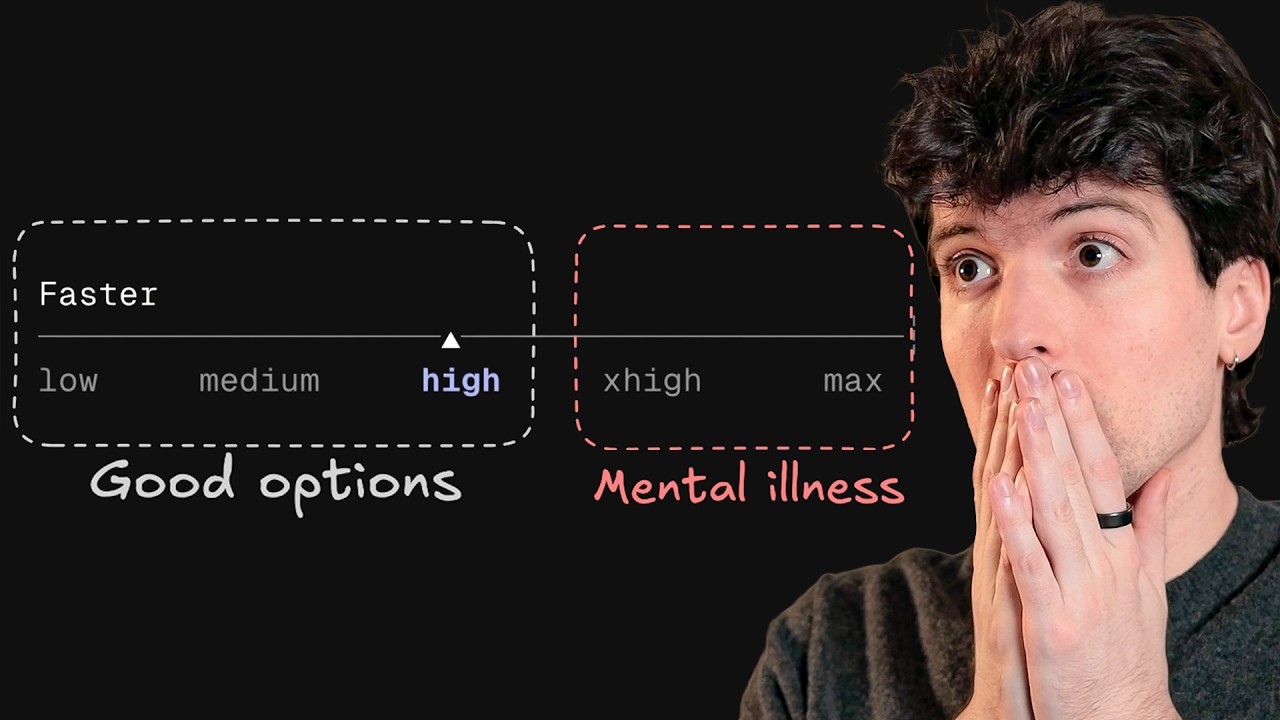
A significant portion of the video focuses on cost management and optimizing the use of different AI models in tandem. The creator advises against using the highest reasoning settings (X high, max, Ultra Code) on Fable 5 due to diminishing returns and excessive costs, recommending the “high” setting as the most efficient. They also explain how they taught Claude Code to delegate specific tasks to other models like GPT-4 (referred to as 55) for cost-effective handling of token-heavy or computationally intensive tasks, such as log analysis or running local app verifications. This multi-model orchestration, combined with careful prompt engineering and workflow design, allowed them to keep their expenses around $150 for a massive volume of work that would otherwise have cost thousands.
The creator delves into their customized agent setup, detailing how they configured Claude Code with specific skills and workflows to manage code reviews, implementation, and computer use tasks. They highlight the importance of defining clear instructions and expectations for each sub-agent, including how to handle code reviews with Codex and when to invoke computational tasks. This setup enables the AI to autonomously triage pull requests, prioritize work, and even merge code in staging environments with human oversight before production deployment. The creator stresses the iterative nature of refining these workflows, encouraging experimentation and adaptation to fit individual needs.
A practical demonstration of Fable 5’s capabilities is shown through the management of the Lakebed project, where the AI triaged 16 open pull requests, categorized them, and proposed a detailed plan for merging, rebasing, or rewriting code. The model autonomously created workflows to break down complex tasks into manageable sub-tasks, coordinated parallel streams of work, and executed merges in staging with automated code reviewers ensuring quality. This approach accelerated the project by about a month, showcasing how AI can handle large-scale software development with minimal human intervention while maintaining high standards.
Finally, the creator discusses their broader workflow enhancements, including using the T3 Code platform and mobile app to manage multiple machines and repositories remotely, enabling parallel work streams and quick bug fixes from anywhere. They share insights on evaluating AI-generated code based on complexity and time taken, advocating for thoughtful human oversight to ensure architectural soundness. They also mention tools like Vibe Proxy to manage API limits and encourage viewers to embrace iterative learning and customization when working with AI agents. Overall, the video presents a compelling case for a new era of AI-assisted software development, blending advanced models, strategic orchestration, and human judgment to dramatically boost productivity.