The video showcases how AI is transforming historical storytelling by creating immersive, accessible, and realistic recreations of past events, artifacts, and figures through visualizations, audio synthesis, and text deciphering. While these AI-driven tools enhance engagement and education, the video also highlights the importance of distinguishing between creative interpretation and factual history, alongside ethical considerations surrounding the use of AI-generated representations of historical individuals.
The video explores how AI is revolutionizing the way we experience and recreate history, making it more immersive and accessible than ever before. Through AI-generated cinematic interpretations, viewers can virtually explore historical events like the Trojan War or ancient Rome, transforming history from static textbook knowledge into vivid, interactive experiences. AI enables creators to produce realistic visualizations quickly and affordably, democratizing historical storytelling and allowing for detailed reconstructions based on real sources such as maps, paintings, and written accounts.
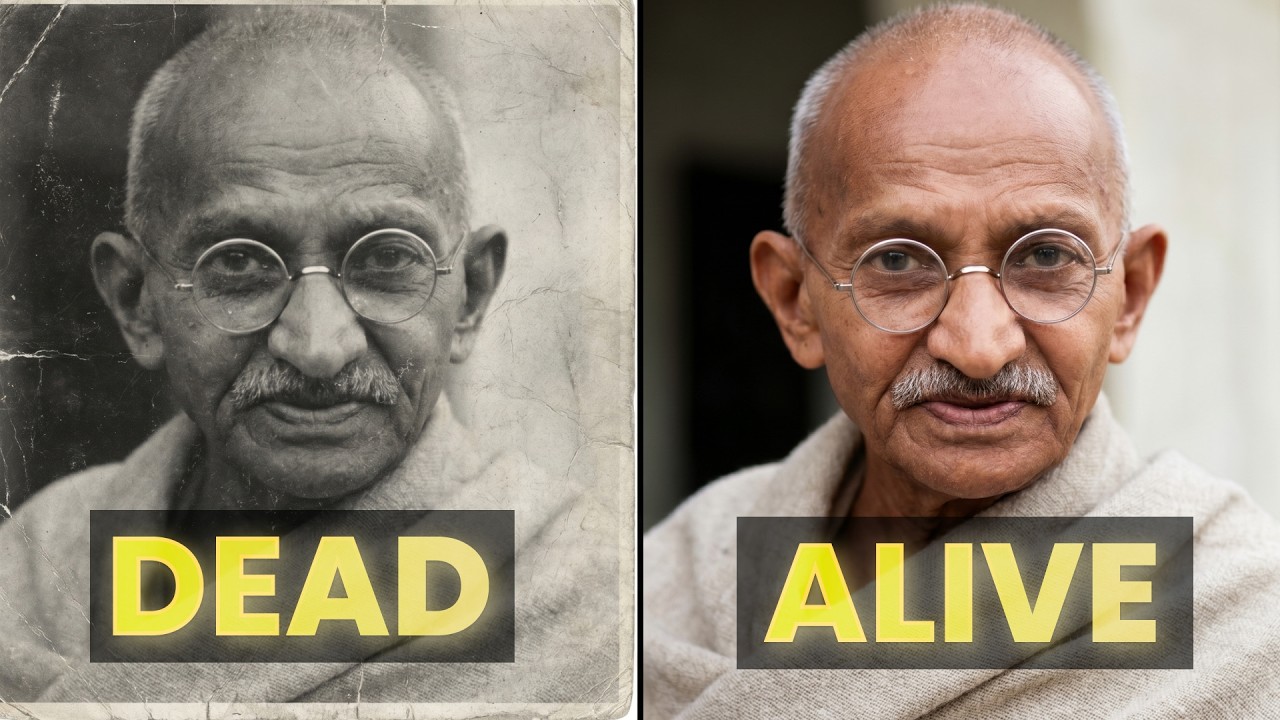
One popular application highlighted is the creation of AI-generated historical videos on platforms like TikTok and YouTube, where channels have amassed large followings by producing immersive point-of-view content about significant historical moments. While some historians caution about the accuracy of these amateur productions, many agree they serve as valuable gateways to spark interest and further research. The video also demonstrates how AI tools like Hicksfield can be used to colorize, animate, and bring to life old photographs and portraits, offering a new dimension to historical figures by adding motion and expression.
The video delves into advanced AI capabilities in audio and voice synthesis, showing how historical speeches can be translated into different languages while preserving the original speaker’s tone and delivery. Examples include recreations of Emperor Hirohito’s surrender broadcast and a speech JFK was meant to deliver before his assassination. Additionally, AI is used to restore and enhance old footage, such as recolorizing the 1966 World Cup or expanding early 20th-century films to modern formats, breathing new life into archival material.
A particularly groundbreaking use of AI is in deciphering ancient texts and scrolls that have remained unreadable for centuries. Researchers at institutions like Oxford University are employing AI to extract and translate texts from artifacts such as the Herculanium scroll, revealing insights into ancient cultures and philosophies. The video also touches on the ethical and cultural implications of AI-generated avatars of historical figures, which allow interactive conversations but raise questions about the use of a person’s likeness after death and the potential for misuse or misinformation.
Ultimately, the video emphasizes that while AI offers unprecedented tools for education, creativity, and engagement with history, it also carries risks of blurring the line between interpretation and fact. AI reconstructions should not be mistaken for historical evidence but can serve as powerful aids to curiosity and learning. By making history feel alive and relatable, AI helps connect us to our past in deeply human ways, reminding us that history shapes who we are today and why it continues to matter.