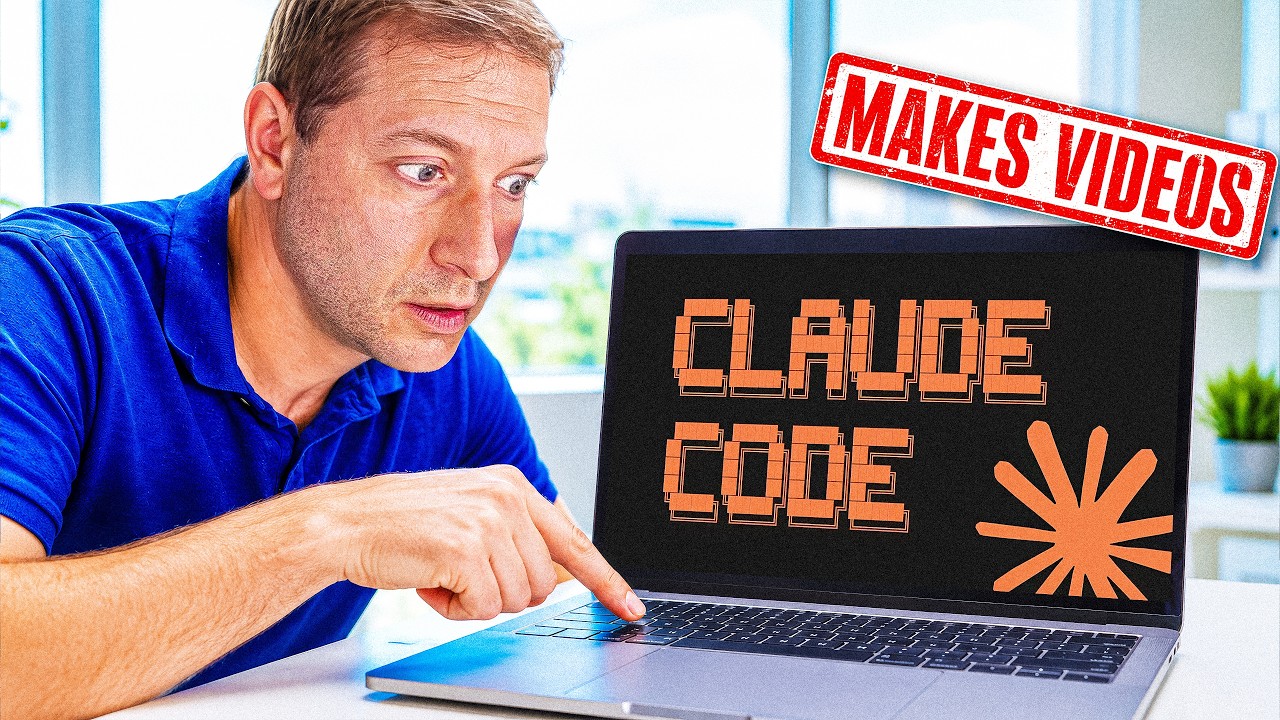
The video highlights the powerful RTX Pro 6000 GPU and showcases Hicksfield, a versatile platform for AI-driven image and video generation with advanced features like custom character training, voiceovers, and language translation. The creator demonstrates seamless integration with Claude Code, expresses excitement about the platform’s potential for creative workflows, and plans to develop a full video production pipeline using these tools.
The video showcases an impressive new graphics card, the RTX Pro 6000, which the creator describes as more suited for a server rack than a typical desktop setup. This powerful GPU inspires ambitious project ideas, especially when combined with AI-generated content. The creator demonstrates AI-generated visuals and speech, including a British-accented version of himself, highlighting the advanced capabilities of the technology using just a single frame from a previous video.
The creator then introduces Hicksfield, a platform offering an extensive collection of video and image generation models, including the latest Cance 2.0. By upgrading from a free plan, he gains access to new MCP endpoints that enable integration with Claude Code, allowing programmatic generation of images and videos. He demonstrates how easy it is to configure Hicksfield as a custom connector in Claude Code, enabling seamless requests for AI-generated content such as posters featuring the RTX Pro 6000.
Exploring further, the video delves into Hicksfield’s advanced features, including the ability to train custom characters for consistent appearances across videos. The creator experiments with special effects on video clips, iterating through different versions to refine the visuals and audio. Although some outputs contain quirky errors like misnumbered nodes or gibberish audio, the overall quality and potential for creative workflows are evident, especially with integrated sound effects and dynamic energy visuals.
The platform also supports audio enhancements, such as voiceovers and language translation with lip-syncing, demonstrated by translating the creator’s video into Chinese. Hicksfield’s ecosystem allows users to create “soul ID” characters, generate custom voices, and incorporate reference images into videos, making it a versatile tool for content creators. While video generation consumes credits, the free tier still offers opportunities to experiment with images and limited video content.
Concluding, the creator expresses enthusiasm for the platform’s capabilities and announces his decision to subscribe, citing the value and quality as surpassing his expectations. He plans to build a full video production pipeline using Hicksfield and Claude Code, promising future content that explores this workflow in depth. Viewers are encouraged to try the platform via his referral link and stay tuned for upcoming videos showcasing the integration of AI-generated special effects and video editing.