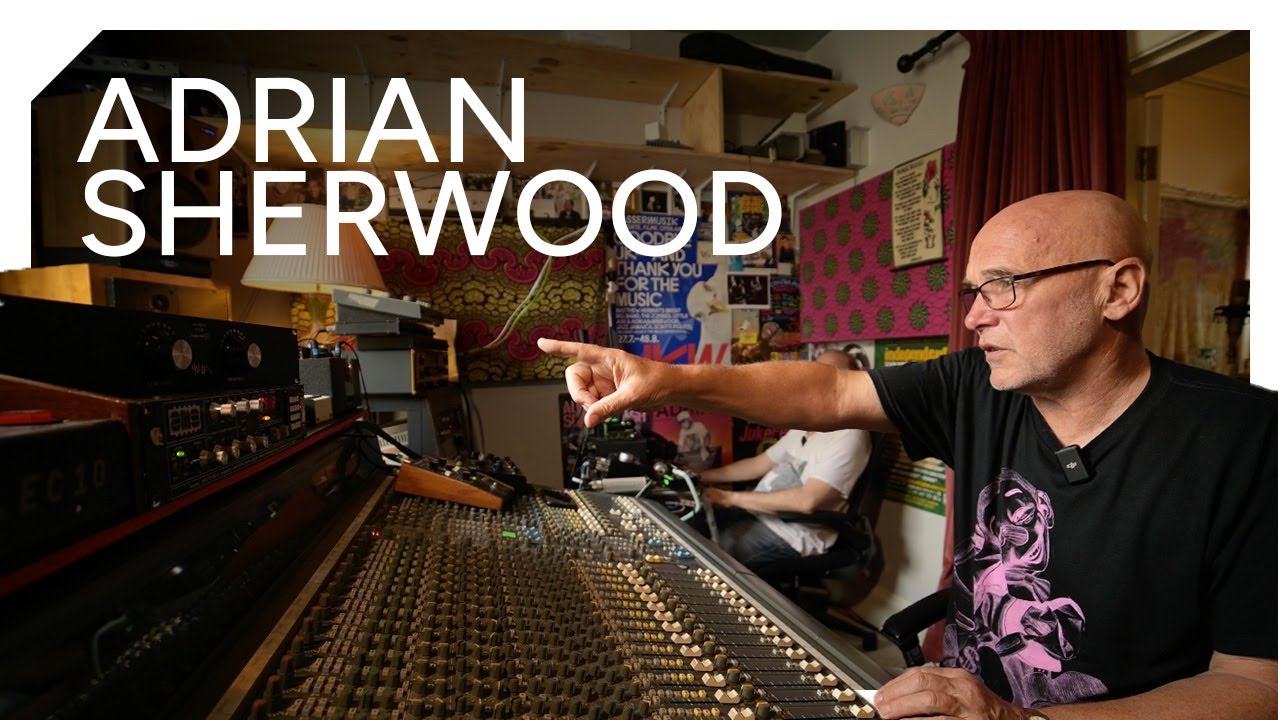
Adrian Sherwood, a renowned producer and dub music pioneer, shares insights into his long-standing career and studio techniques in an interview with Music Radar. He recounts his early days in the studio back in 1976 in Soho, where he first got involved with music production, influenced heavily by reggae legends like Lee Perry, King Tubby, and Augustus Pablo. Sherwood emphasizes the importance of each studio having its unique sound, drawing inspiration from the “wall of sound” approach and iconic producers like Phil Spector. His studio setup blends vintage equipment such as AMS delays, Langin EQs, and Moog synthesizers with modern digital effects, creating a distinctive sonic palette.
Sherwood discusses his new album, “The Collapse of Everything,” his first solo record in 13 years, which marks a significant personal milestone as it features his name prominently on the cover. This album allows him full creative control, enabling him to experiment and push boundaries, including performing live with a mixing desk and a small group of talented musicians. Despite budget constraints limiting the number of players on tour, Sherwood highlights the importance of collaboration and the emotional dedication of the album to late friends and collaborators, underscoring the personal nature of the project.
In terms of production techniques, Sherwood remains loyal to vintage gear while embracing new technology, particularly AI tools like Ripex, which help him manipulate and transform sounds creatively. He explains how he uses these tools to “ghost” tracks, slow them down, and experiment with pitch and EQ sweeping, blending traditional dub methods with modern innovation. His approach involves layering tuned percussion and creating textured soundscapes that evoke psychedelic and multimedia experiences, supported by visuals from his friend Peter Harris.
Sherwood also reflects on the broader influence of Jamaican music and dub culture on contemporary music genres such as house and techno. He clarifies that while he is not strictly a dub producer, he incorporates dub techniques extensively in his work, especially the concept of creating multiple versions of a rhythm. He admires the legacy of Jamaican producers who pioneered these methods and notes how digital technology has democratized access to these effects, allowing producers worldwide to experiment and innovate within their mixes.
Finally, Sherwood offers advice to aspiring music producers, emphasizing the importance of passion and inspiration in the creative process. Drawing from lessons learned from Lee Perry, he encourages producers to approach their work with the mindset of making “magic,” waiting for moments of genuine inspiration before creating. He values imperfection and “beautiful mistakes” in music, believing that these elements bring life and authenticity to recordings, allowing the music to breathe and emotionally connect with listeners.