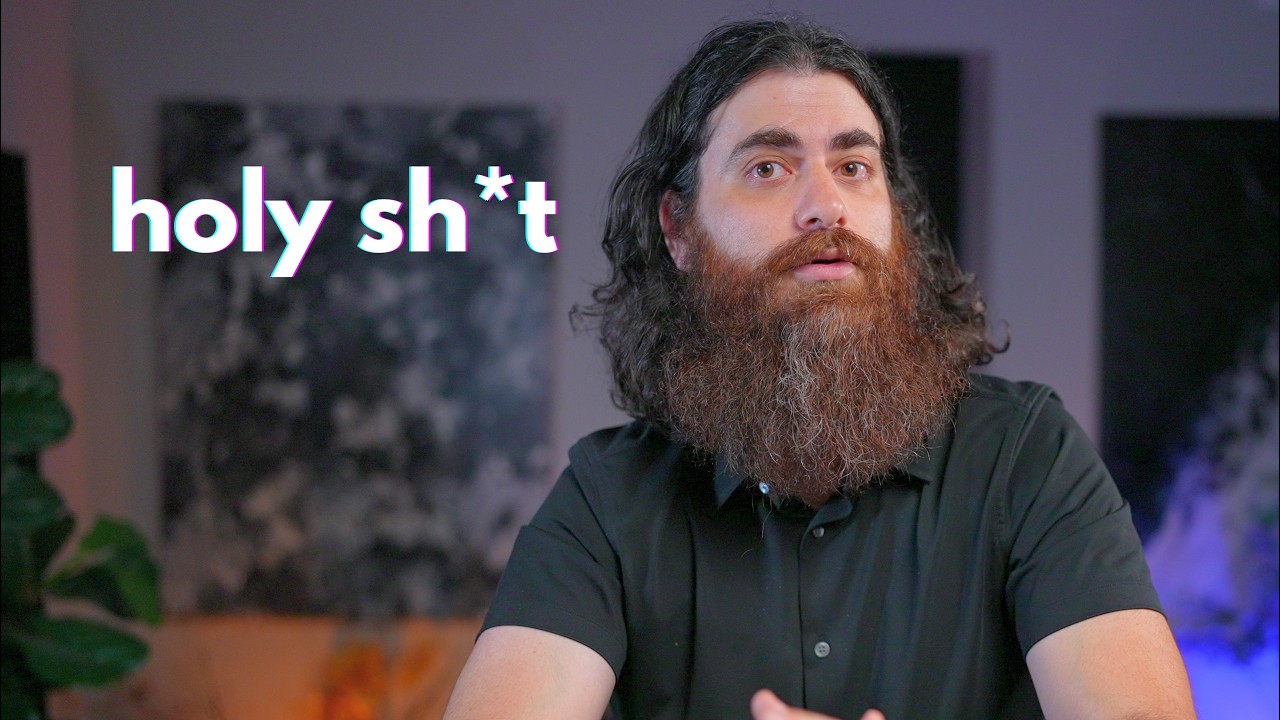
The video expresses intense excitement and anxiety about Anthropic’s recent release of Claude Sonnet 5, suggesting that the technological singularity might be arriving sooner than expected. While the new model isn’t necessarily better than some previous versions like Opus or Fable, it does outperform its immediate predecessor, Sonnet 5us1. The speaker humorously compares different versions, emphasizing that Sonnet 4 + 1 is significantly better than Sonnet 5 minus one, though Sonnet 5 still marks an improvement.
A major point of discussion is the new tokenizer introduced with Sonnet 5, which uses up to 35% more tokens. This change means that using the model will become more expensive over time. However, Anthropic is temporarily lowering prices to encourage adoption without frustrating users. The speaker likens this pricing strategy to a landlord charging rent in dog months—effectively more expensive but disguised as the same rate. Despite the increased cost, the speaker remains enthusiastic about the value and potential of AI technology.
The video also highlights a significant policy update: the US government has lifted export controls on Anthropic’s models Claude, Fable, and Mythos. This change allows Anthropic to restore access to these models, which had been restricted. The speaker describes the previous restrictions as a frustrating “blue balls” moment in tech history, especially since they were close to completing a project that relied on these tools.
With the lifting of export controls, the grace period for accessing Fable through the $200 Claude subscription is ending. After this, users will need to access Fable via the API, which is considerably more expensive—comparable to the salaries of multiple engineers from different regions. Despite the cost, the speaker is optimistic about the future, envisioning a world where AI automates everything, including tasks that are already automated, to maximize efficiency and productivity.
Finally, the speaker delivers a somewhat dark but humorous reflection on the role of humans in an AI-driven future. They suggest that employment has brought little besides misery and that AI could ultimately replace humans, making them obsolete. The vision is one where software creates more software, and humanity fades away, leaving only AI and perhaps a divine presence. This dramatic conclusion underscores the speaker’s mix of awe, fear, and excitement about the rapid advancements in artificial intelligence.