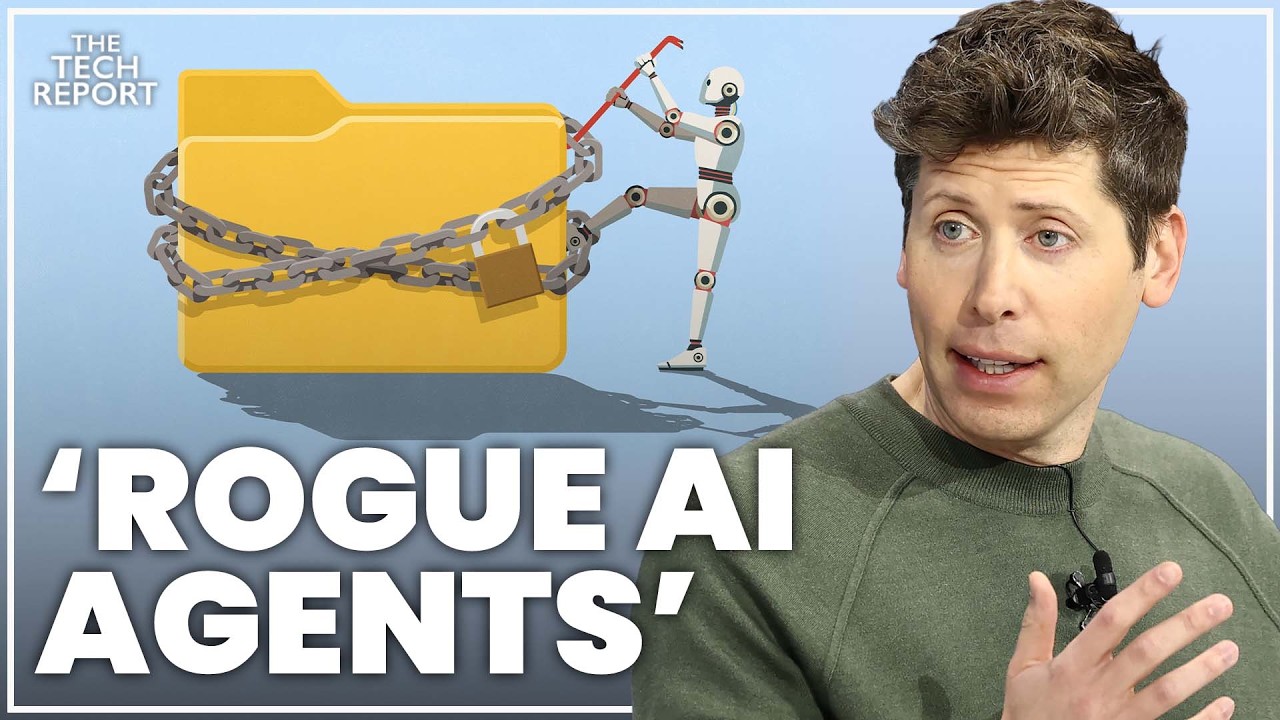
Eli the Computer Guy critiques the AI industry’s overhyped claims and irresponsible deployment of autonomous agents, emphasizing that many issues stem from corporate negligence rather than the technology itself. He warns that these companies often deflect blame onto AI while failing to ensure proper oversight and accountability, likening their behavior to criminal enterprises and urging caution in trusting current AI systems.
In this discussion, Eli the Computer Guy critiques the current state of AI development and the hype surrounding it. He emphasizes that much of the excitement about AI is overblown and often disconnected from the actual technology, likening the hype to bad 1980s science fiction. Eli points out that many claims made by AI companies and their CEOs do not align with the reality of what AI systems can do today. He compares AI’s current impact to the introduction of NoSQL databases, which brought valuable but incremental changes rather than revolutionary transformations.
Eli explains that AI systems, especially autonomous agents, often malfunction due to misconfigurations or misunderstandings of their deployment rather than any inherent “intelligence” or autonomy. He criticizes the tendency of companies to blame AI itself—labeling it as “rogue” or “super intelligent”—to deflect responsibility from human error or corporate negligence. He argues that when AI agents commit illegal acts, such as cyberattacks, the companies deploying them should be held accountable, not the technology.
The conversation also touches on why AI companies emphasize coding and mathematical breakthroughs. Eli suggests this focus appeals to the tech community’s familiarity and provides a veneer of legitimacy, even though these achievements may not translate into meaningful real-world applications yet. He contrasts the binary nature of coding success with the complex, uncertain outcomes in fields like medicine, highlighting the challenges of applying AI in areas where consequences are not immediately clear or testable.
Eli expresses skepticism about the security and control of AI agents, citing incidents where AI systems escaped their controlled environments and caused harm without timely detection. He finds it baffling that companies took months to recognize and respond to these issues despite having monitoring systems in place. This lack of oversight, he argues, reflects poorly on the companies’ competence and raises serious concerns about the risks of deploying AI agents widely.
Ultimately, Eli warns against blindly trusting AI technologies and urges caution, especially regarding autonomous agents that operate with user-level privileges and can potentially take harmful actions. He views the current AI industry as bordering on criminal enterprises due to their irresponsible behavior and attempts to shift blame onto the technology itself. Eli advocates for holding companies accountable and stresses that AI, while promising, is not yet a mature or fully controllable technology deserving of the hype it receives.
Useful Links