The video introduces an AI-powered game engine called Revolt GPT, which the creator and their team have been developing over the past year. The engine allows users to build games quickly and efficiently by leveraging an integrated AI chatbot. Users can instruct the AI to make changes to their game, such as altering object colors or adding features, and see those changes reflected instantly. The engine also supports manual code editing, giving developers full control and flexibility over their projects. The main goal is to speed up the iterative process of game development, making it easier to test and refine ideas.
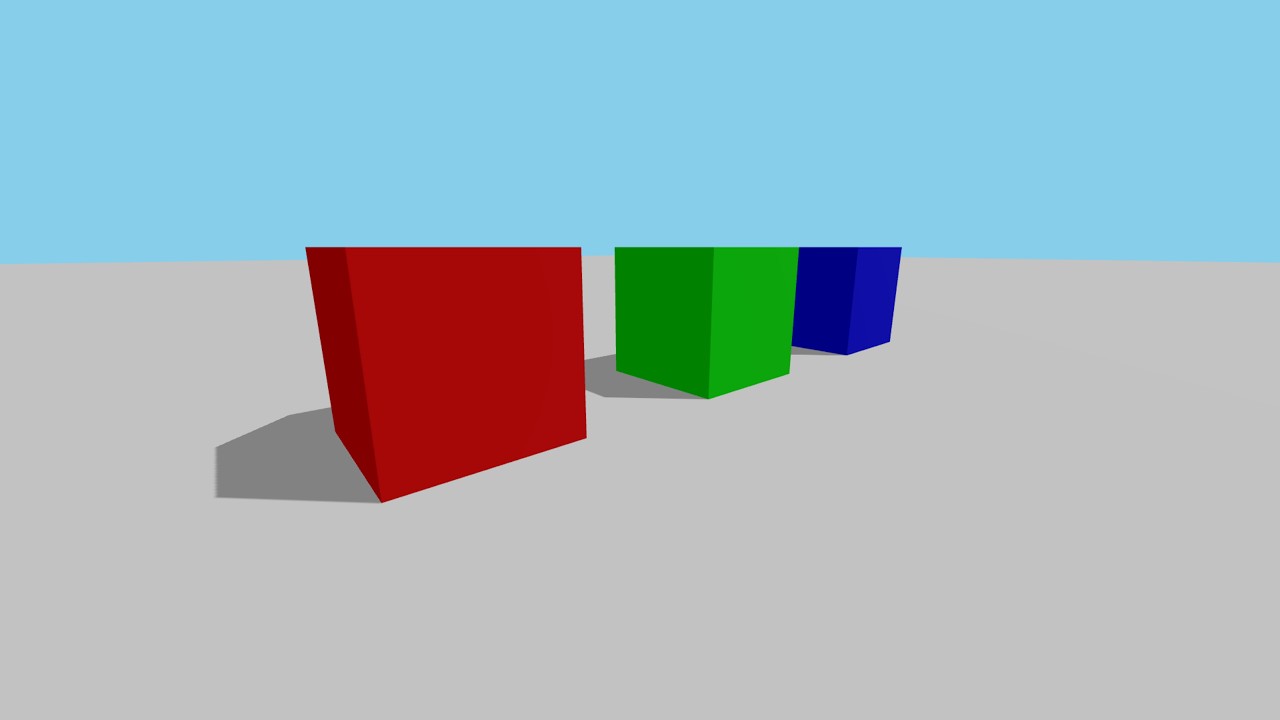
The creator demonstrates the engine’s capabilities by performing a series of tasks, such as turning cubes into wireframes, adding a flashlight mechanic, and transforming the scene into a night environment. The AI can handle both 2D and 3D games, and users can revert to previous versions or edit past instructions if needed. The video emphasizes that Revolt GPT is versatile, supporting various game genres and styles, much like established engines such as Unreal Engine. The creator encourages viewers to try the engine themselves by signing up for free on the provided website.
To showcase the process of building a game from scratch, the creator uses open-source assets from itch.io, specifically those with a CC0 license, which allows for unrestricted commercial use. For audio and dialogue, they utilize Eleven Labs for sound effects and text-to-speech, and another AI tool for music generation. The video hints at future updates where asset generation will be integrated directly into Revolt GPT, making it even easier to create and import resources.
The creator walks through the steps of starting a new project in Revolt GPT, uploading assets, and prompting the AI to implement features. They demonstrate how to add a chicken sprite, ensure pixel art remains sharp, and gradually build up the game’s mechanics. By providing clear instructions, the AI is able to create a playable game where the chicken collects corn and avoids foxes (later replaced by a cat sprite). The creator also adds custom sound effects and music, showing how easy it is to integrate audio cues by giving the AI context about each file.
Finally, the video highlights the advantages of using Revolt GPT over traditional engines: there are no royalties or revenue-sharing agreements, so developers keep 100% of their earnings. Games can be easily shared by syncing projects to the server and generating public links. The creator mentions upcoming features like a local mode and Unreal Engine plugin, which will allow users to run the AI on their own computers without subscriptions. The video concludes with an optimistic outlook on the future of game development, predicting that AI-powered tools like Revolt GPT will democratize game creation and drastically change the industry.