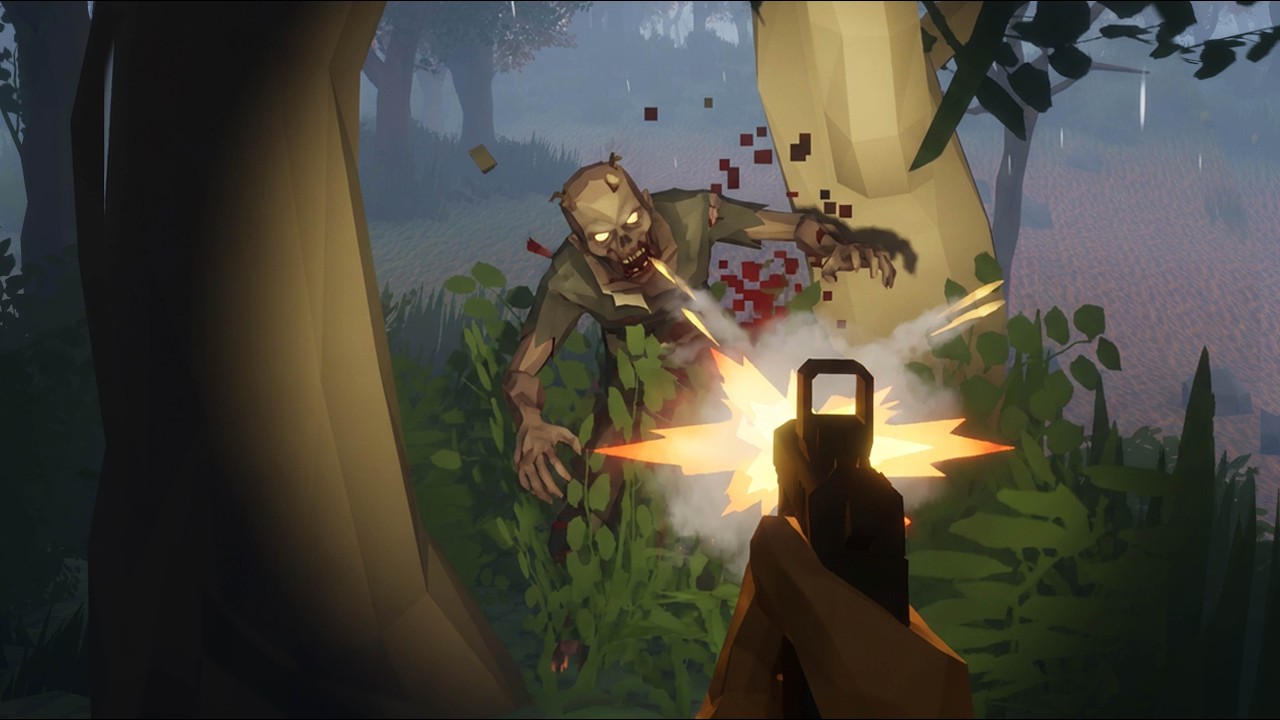
The video showcases the process of building a fully playable game in just one day using an AI-powered Unreal Engine 5 plugin called Revolt GPT, developed by the creator. The presenter explains that this plugin allows users to rapidly create games by leveraging AI for tasks such as level generation, menu creation, and asset integration. All the games made in these demonstrations are offered for free to subscribers, with links and asset lists provided in the video description. The plugin is designed to work seamlessly with marketplace assets from the Unreal Engine Fab store, making it accessible for both beginners and experienced developers.
A significant portion of the video is dedicated to demonstrating how AI can automate various aspects of game development. For example, the presenter shows how entire maps, including terrain, textures, and object placement, can be generated with just a few clicks. The AI also assists in creating user interfaces, such as main menus, by generating code and layouts using Unreal Engine’s Slate framework, which is more AI-friendly than the visually-oriented UMG system. The presenter emphasizes that while AI can handle much of the technical work, some manual tweaking and creative input are still valuable for achieving the best results.
The workflow involves using Visual Studio (or compatible editors like Cursor or Visual Studio Code) alongside the Revolt GPT plugin. The plugin acts as a bridge, allowing the AI to access and modify Unreal Engine project files, which are otherwise inaccessible due to encryption. The presenter provides step-by-step instructions on setting up the plugin, integrating it with Visual Studio, and feeding it project documentation to enable the AI to understand and interact with the game project. Debugging is also covered, with tips on how to provide error logs to the AI so it can learn from mistakes and improve its output.
The video further explores the creation of custom game assets and environments. The presenter demonstrates how to generate landscape textures using AI image generators and how to assemble these into auto-landscape materials within Unreal Engine. The Revolt GPT plugin includes utilities for procedural land and biome generation, enabling the rapid creation of large, detailed maps populated with assets, spawn points, and points of interest. The process is highly iterative, allowing for quick adjustments and regeneration of levels to suit different gameplay needs.
In conclusion, the video highlights the transformative potential of AI in democratizing game development. By automating complex and time-consuming tasks, tools like Revolt GPT make it possible for individuals or small teams to create high-quality, fully playable games that rival commercial releases. The presenter encourages viewers to experiment with the plugin, subscribe for more tutorials, and take advantage of the free game downloads. The overall message is that game development can now be as accessible and enjoyable as modding, thanks to the integration of AI and powerful development tools.