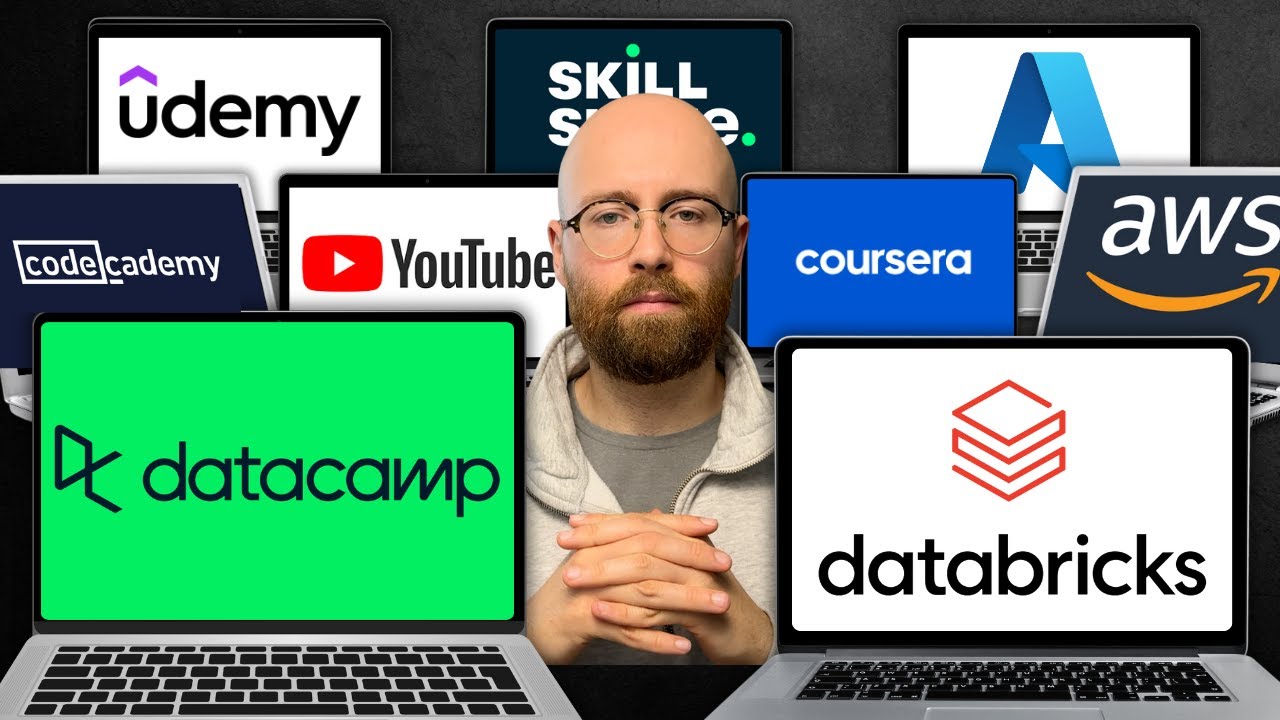
In this video, the creator shares insights from having tried around 30 AI engineering courses over two years, highlighting the top three courses they recommend for learning AI effectively. They emphasize the significant investment of both time and money involved in learning AI, including costs for courses, API services, and cloud platforms. The goal is to help viewers avoid wasting resources by focusing on the best options available.
The first recommended course is DataCamp’s Associate AI Engineer for Developers track. This course is praised for its structured, hands-on approach tailored for developers, primarily using Python. It covers practical topics such as using ChatGPT APIs, retrieval-augmented generation (RAG), embeddings, vector databases, and LangChain for building LLM applications. The subscription model is a major advantage, granting access to a wide range of related courses in data science, machine learning, and cloud technologies under one fee. However, it requires self-discipline due to its 26-hour length and self-paced format, and it is not vendor-locked, which the creator sees as a positive for learning fundamentals.
The second course is Databricks’ Certified Generative AI Engineer Associate. This course focuses on building generative AI solutions within the Databricks platform, emphasizing production-ready skills such as security, governance, and monitoring. It is highly valued in the industry, with Databricks being a sought-after skill, but it comes with drawbacks like vendor lock-in, complexity for beginners, and potentially high costs due to platform usage fees. The course is best suited for those with some prior AI and data experience who want to deepen their knowledge in a professional data platform environment.
The third course is Microsoft’s Certified Azure AI Engineer Associate. This certification is recognized in the corporate world and focuses on Azure’s AI services, including vision, speech, and OpenAI integration. It offers a sandbox environment for hands-on practice and includes exam preparation materials. However, it is Azure-specific, locking learners into Microsoft’s ecosystem, and is more about deploying and managing AI solutions on the cloud rather than deep AI development. The course is also not beginner-friendly and mainly consists of multiple-choice questions rather than coding exercises, making it ideal for those aiming to pass certification exams and work within Azure’s AI infrastructure.
Overall, the creator advises choosing a course based on your current skill level and career goals. DataCamp is recommended for those starting out or wanting a broad, practical foundation without vendor lock-in. Databricks suits those with intermediate skills looking to work in enterprise data environments, while Azure’s certification is best for professionals targeting roles within Microsoft’s cloud ecosystem. The video encourages viewers to consider these factors carefully and provides links to all courses for further exploration.