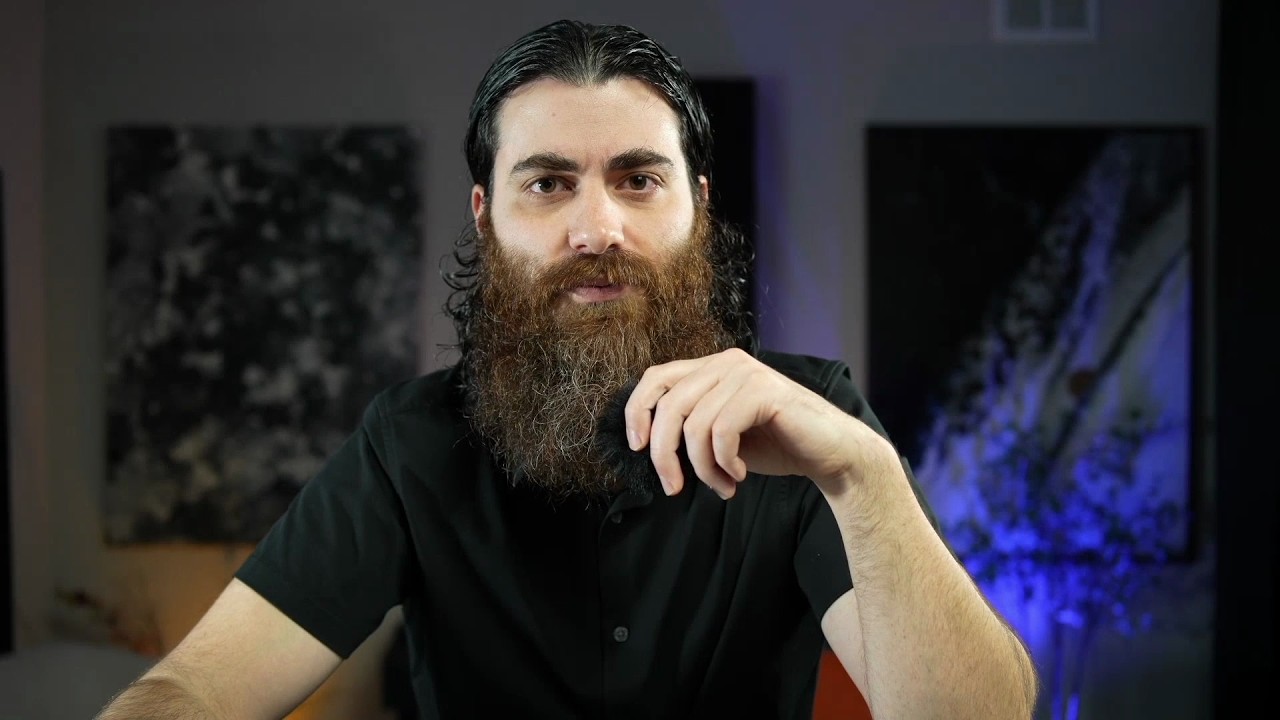
The speaker, a former “10x engineer,” describes how the rise of AI coding tools has fundamentally changed their relationship with programming. They admit that AI has made it so easy to generate code that their motivation and ability to code by hand have been “one-shotted”—rendered almost obsolete. The convenience of pressing a button and getting instant results has rewired their brain, making traditional coding feel pointless and laborious. This shift has left them feeling dependent on AI companies and their tools, unable to code effectively without them.
They discuss the dilemma of reviewing AI-generated code, noting that responsible developers are supposed to review what they ship, but in practice, it’s nearly impossible to keep up with the speed and complexity of AI output. The speaker likens this new style of “vibe coding” to evolution by natural selection: random changes are tested, and if they work, they’re kept, regardless of whether anyone understands the underlying code. They recount an experiment where they let an AI model handle the entire deployment of their app, and while it worked, they felt completely disconnected from the process and the product.
This disconnection is deeply troubling for the speaker. They reflect on how, traditionally, building software was an intimate, artisanal process that fostered a strong bond between creator and product. The struggle and problem-solving involved in hand-coding led to personal growth and pride in the finished work. Now, with AI doing the heavy lifting, the speaker feels like they’re producing “hot dogs”—functional but soulless products they have no emotional attachment to and no desire to sell.
The speaker also touches on the broader existential crisis facing developers in the age of AI. They note that the job market and the very definition of what it means to be an engineer are in flux. Previously, developers could take time off and return to a thriving job market, but now, with AI capable of doing so much, they question whether their skills are still valuable. The speaker feels a sense of collective uncertainty and even “psychosis” as the industry grapples with these rapid changes.
Ultimately, the speaker concludes that the only way to regain their sense of purpose and connection to their work would be to quit using AI tools entirely—a step they’re reluctant to take due to their dependence on these tools for productivity. They express a deep sense of loss, both personally and professionally, and invite others to share their experiences or suggest ways to reconcile the benefits of AI with the need for meaningful, fulfilling work.