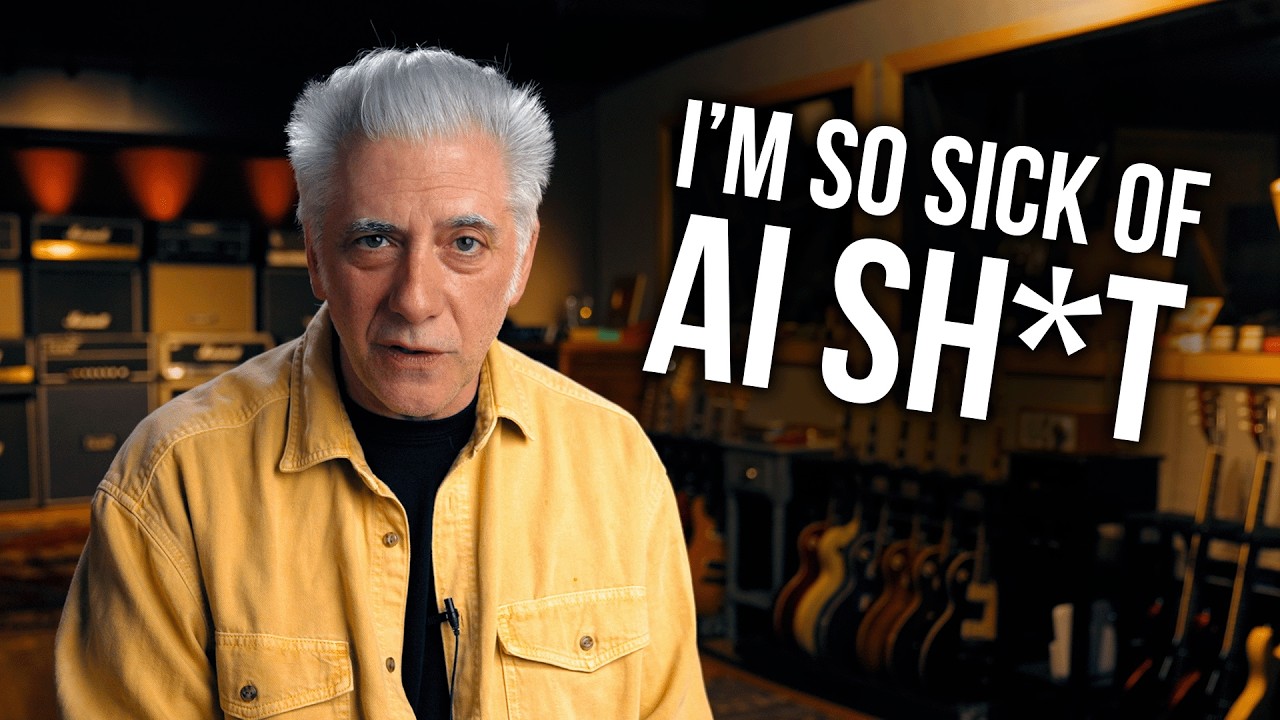
Rick Beato critiques the rise of AI-generated artists like Sienna Rose, highlighting suspicious streaming numbers and a lack of transparency from platforms like Spotify about what is AI-made. He argues that listeners deserve clear labeling of AI music, drawing attention to the potential manipulation and artificiality in the current music landscape.
Rick Beato discusses a recent LA Times article about Sienna Rose, an artist who has rapidly gained over 4 million monthly Spotify listeners. The article reveals that Sienna Rose is not a real person but a fully AI-generated artist, designed to mimic the neo-soul genre and potentially replace real musicians. Beato highlights the growing prevalence of AI-generated music, noting that nearly 40% of new songs uploaded to streaming platforms are now created by AI, and that listeners are increasingly unable to distinguish between AI and human-made tracks.
To investigate further, Beato compares Sienna Rose’s online presence to that of real artists. He points out that despite her massive Spotify following, Sienna Rose has only about 7,000 Instagram followers and relatively low play counts on her songs, which is inconsistent with the engagement levels of comparable human artists. For example, Victoria Monét, a real neo-soul artist with a similar number of monthly listeners, has millions of Instagram followers and hundreds of millions of plays on her top songs, which aligns with expectations for a genuine artist.
Beato examines Sienna Rose’s Instagram account and finds more suspicious details, such as the account being based in Norway and videos that seem artificial. He questions the authenticity of her online persona and suggests that the account and its content may be fabricated or manipulated to appear real. He also notes that some streaming platforms, like Deezer, have labeled Sienna Rose as AI, adding to the confusion about her true nature.
Beato expresses concern about Spotify and other platforms promoting AI-generated music without clear labeling. He argues that listeners deserve transparency about what they are consuming, just as food products are required to list their ingredients. He likens AI music to artificially flavored snacks, emphasizing that while some people might enjoy the product, they should at least know what it is and how it was made.
Finally, Beato questions the legitimacy of Sienna Rose’s streaming numbers and suggests that they may be artificially inflated. He compares her statistics to those of established bands like Sleep Token, whose play counts and follower engagement are much higher and more consistent with their listener base. Beato concludes by inviting viewers to share their thoughts, expressing skepticism about the rise of AI-generated music and the lack of transparency from streaming services.