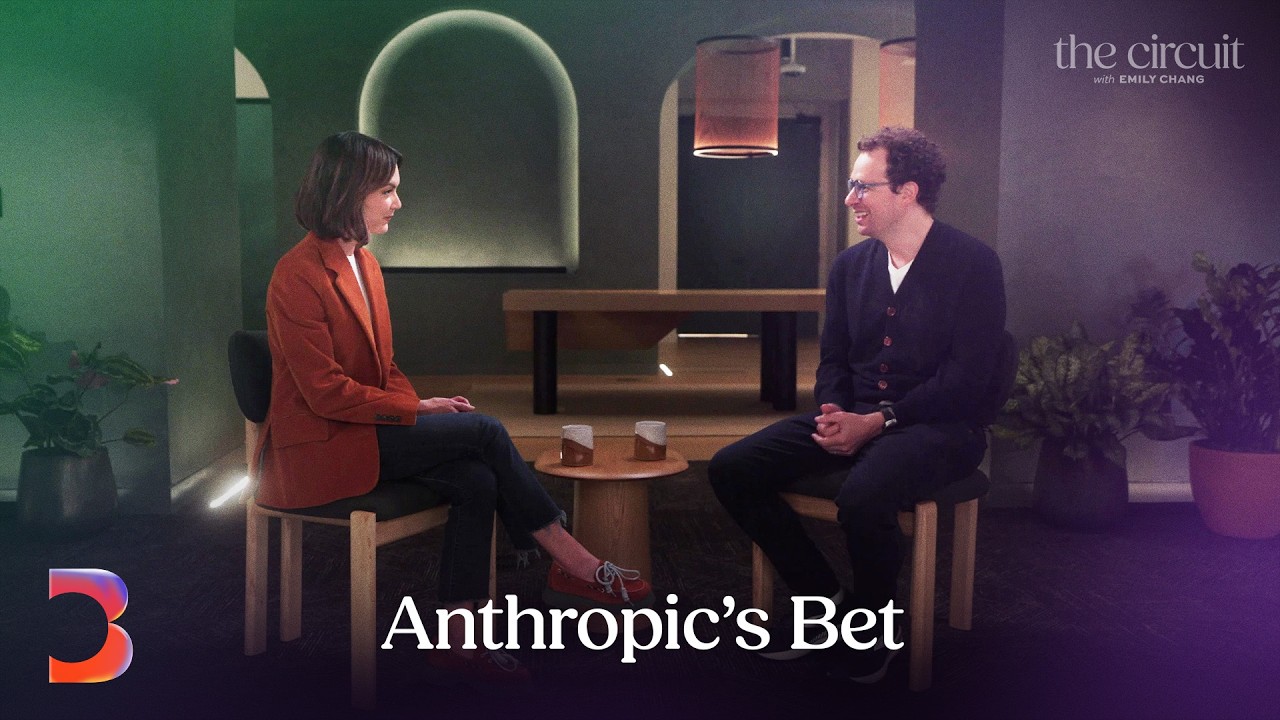
Dario and Daniela Amodei, siblings and co-founders of Anthropic, have emerged as influential figures in the rapidly evolving AI landscape. Starting as a small team of OpenAI defectors in 2021, Anthropic has grown into a nearly trillion-dollar company known for its focus on AI safety and responsible development. Their flagship AI, Claude, is designed with a “Constitution” to ensure alignment with human values, aiming to be approachable yet professional. The Amodeis emphasize the importance of building AI that avoids societal harm, reflecting their mission to create technology that benefits humanity in the long term.
Anthropic’s strategic focus on enterprise applications, particularly in coding and software engineering, has driven its recent profitability and rapid growth. Products like Claude Code and Claude Cowork have revolutionized software development by automating large portions of coding work, significantly boosting engineer productivity. This approach contrasts with other AI companies that initially targeted consumer-facing applications, often driven by engagement metrics. The Amodeis believe their enterprise-first model better aligns with their values and supports meaningful advancements in fields like biotech, energy, and academic research.
Despite the excitement around AI’s capabilities, the Amodeis acknowledge the profound challenges it poses, especially regarding job displacement. Dario Amodei has been candid about the potential for AI to eliminate a significant portion of entry-level white-collar jobs within the next few years, raising concerns about unemployment and inequality. While AI currently enhances productivity, there is an uncomfortable possibility that some tasks may be fully automated, leaving workers to find new roles. The Amodeis stress the need for societal dialogue and policy responses to manage these transitions responsibly.
Looking ahead, the Amodeis envision a future where AI expands economic opportunities but also necessitates a shift in human roles, particularly emphasizing interpersonal and human-centered jobs. They foresee professions like medicine evolving to focus more on human interaction and empathy, as AI takes over diagnostic tasks. This perspective highlights their belief that while AI can transform many aspects of work, the uniquely human elements of care, judgment, and relationship-building will remain essential. They advocate for leveraging AI to enhance meaningful human productivity rather than replace it entirely.
Finally, the Amodeis draw historical parallels between AI development and the atomic age, cautioning against the concentration of power in a few individuals or entities. They see the future of AI governance requiring broad checks and balances to prevent misuse and ensure equitable benefits. Their approach at Anthropic reflects a commitment to safety, transparency, and collaboration, aiming to navigate the exponential growth of AI technology while avoiding dystopian outcomes. This cautious optimism underscores their role as both innovators and stewards in the unfolding AI revolution.