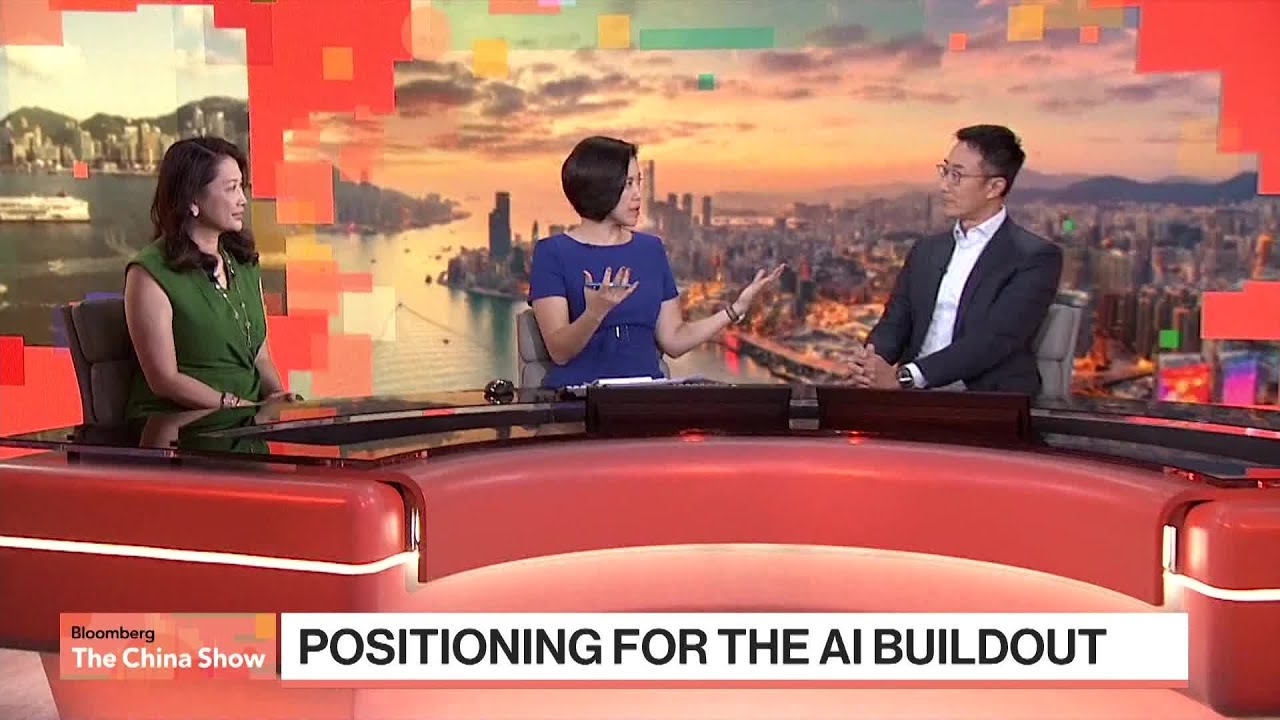
The discussion opens with the consensus that the AI revolution is still in its early stages, with strong demand observed across various sectors despite supply chain challenges, particularly in memory chips. The shortage and rising costs of components like memory are acknowledged, but the fundamental need for devices remains robust, driven by AI’s growing role in computing and interaction. While demand is not a major concern, supply-side issues, including temporary shortages and price spikes, are more pressing, with larger companies consolidating market share by securing more resources.
Supply chain risks are a focal point, especially amid geopolitical tensions such as the Middle East conflict and ongoing memory chip crunch. However, the war’s direct impact on the global supply chain is limited mainly to regional shipments. Companies are mitigating risks by diversifying production across continents and bringing supply chains closer to demand centers, including building new plants in strategic locations like Riyadh. This diversification is seen as a strategic advantage in maintaining steady supply for global hyperscalers.
Margin pressures from rising component costs are evident, particularly on the device side, where passing on increased costs is challenging. Conversely, the server side benefits from strong demand and supply imbalances that allow cost pass-through. Capital allocation is shifting towards enterprise and AI-related infrastructure, with investments being made to scale these areas. Partnerships and ecosystem alignment are crucial for securing supply and technology integration, reflecting a strategic pivot towards AI-driven business segments.
The pace of AI adoption and innovation is described as rapid and disruptive, with many developments surpassing earlier expectations. AI is enhancing productivity, reducing costs, and transforming industries at an unprecedented rate. The market is beginning to price in the medium to long-term disruptive potential of AI, favoring companies that provide essential infrastructure and tools (“picks and shovels”) over those vulnerable to disruption. This dynamic is shaping investment strategies focused on long-term winners in the AI ecosystem.
On a personal level, AI usage has become a daily routine, significantly increasing from previous years. The technology is now integral for deep analysis, preparation, and decision-making, with improvements in accuracy and reliability reducing concerns about errors. The rapid evolution and integration of AI tools underscore the transformative impact AI is having across industries and individual workflows, signaling continued acceleration in adoption and innovation in the coming years.