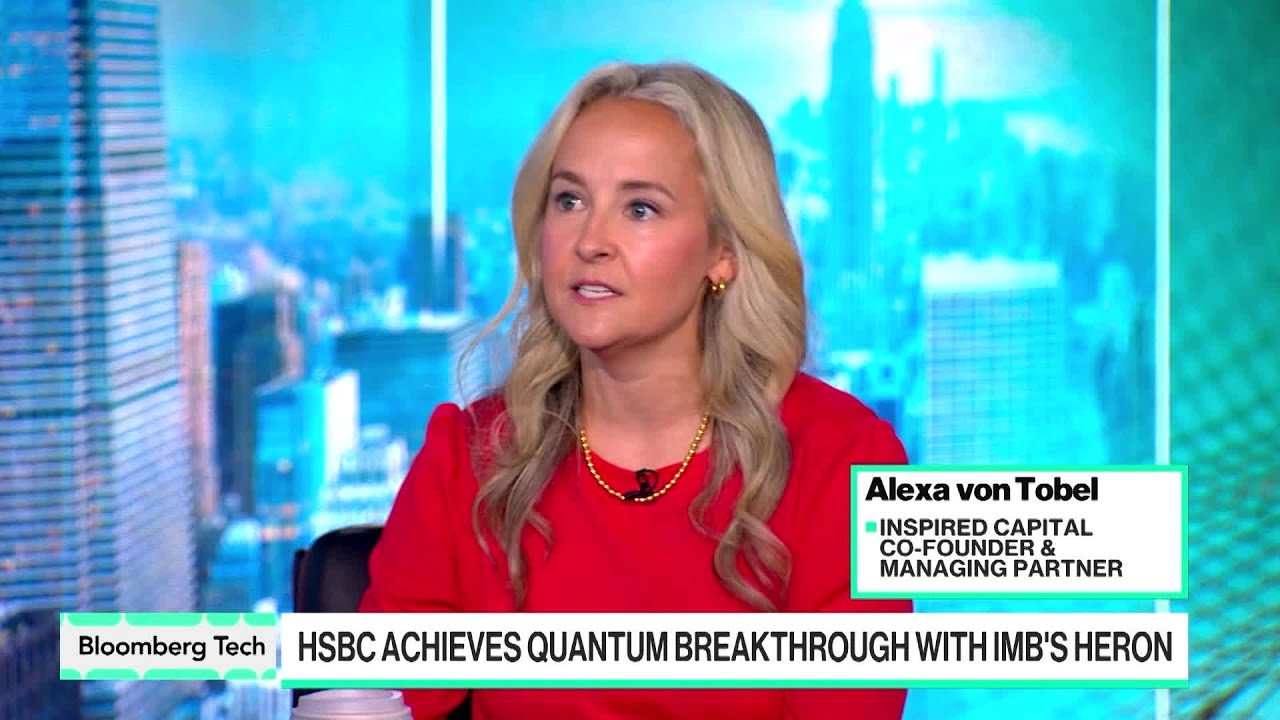
The discussion centers around the exciting potential of quantum computing and physical AI, particularly from an early-stage investment perspective. The speaker, a long-term investor, highlights quantum computing as the next major wave of innovation following AI, with the potential to revolutionize industries such as financial services and pharmaceuticals. Despite decades of slow progress, experts believe that within the next decade, scaled quantum computers with tens of thousands of qubits will become a reality, enabling profound advancements. Companies like IBM are already projecting significant quantum computing milestones by 2029.
When it comes to business models in quantum computing, the current approach involves renting out quantum computing capacity at high hourly rates. However, the speaker envisions a transformative shift where the intellectual property and technological breakthroughs generated by quantum computers could create ongoing revenue streams. This model could be especially impactful in pharmaceuticals, where quantum computing might dramatically accelerate drug discovery, potentially making the first company to build a scalable quantum computer as valuable as Pfizer.
The conversation then shifts to physical AI, which refers to the integration of AI with sensors, robotics, and smart devices embedded in the physical world. This approach aims to move from reactive maintenance of infrastructure—such as water pipelines, electricity grids, and roads—to predictive and proactive management. By combining observability and predictability, physical AI can help prevent failures before they occur, improving efficiency and safety in critical systems.
Several portfolio companies exemplify this vision of physical AI. Bright AI, led by a technical expert known as the godfather of IoT, has deployed 250,000 sensor stickers that monitor infrastructure like utility poles and water pipelines. These sensors provide real-time data that enables companies to fix issues proactively, such as preventing utility poles from falling or detecting leaks that currently waste billions of gallons of treated water daily. This proactive approach represents a significant advancement over traditional reactive maintenance.
Other notable companies include TC Labs, which uses AI to enhance the efficiency and carbon-friendliness of existing energy infrastructure, aiming to save one gigaton of carbon emissions annually. True Swift focuses on environmental monitoring by deploying sensor datasets in forests, the planet’s lungs, to predict and mitigate forest fires and severe storms that disrupt power supplies. Together, these companies illustrate a forward-thinking investment thesis centered on the intersection of AI, physical infrastructure, and sustainability.