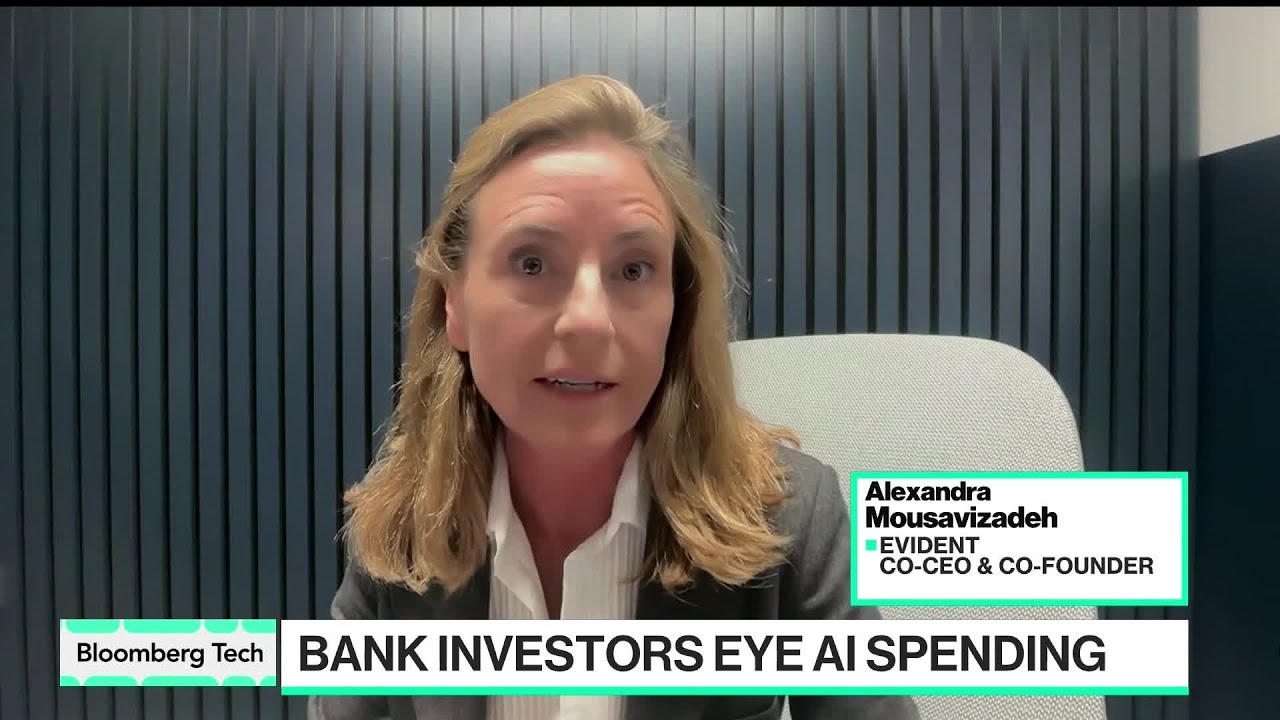
JPMorgan is leading major banks in integrating AI across its operations, focusing on efficiency and future revenue growth, with the most significant financial benefits expected in the next few years as AI becomes fully embedded. Other banks like Goldman Sachs are also ramping up AI investments, and investors are closely watching for updates on how these strategies will impact earnings and transform banking processes.
JPMorgan is currently leading the implementation of artificial intelligence (AI) among major banks in North America and Europe. For three and a half years in a row, JPMorgan has been at the forefront of deploying and embedding AI across its operations. The bank is investing heavily in technology, with a growing portion of that budget dedicated to AI. Much of this AI deployment is focused on internal processes to drive efficiency gains, such as automating know-your-customer (KYC) procedures, as well as exploring opportunities for revenue growth.
The journey toward full AI integration began with experimentation and pilot projects, but the focus has now shifted to embedding AI across every function and line of business within the bank. This requires building scalable platform architectures. While some return on investment (ROI) is already visible, particularly in efficiency improvements, the most significant financial impacts are expected to materialize over the next several years. The introduction of generative AI and fully autonomous agent use cases is anticipated to deliver substantial ROI, but these benefits are likely three to four years away from being fully realized.
There is ongoing discussion among investors and analysts about when the efficiency gains from AI will be fully realized. Although some progress has been made, the consensus is that the most transformative impacts are still to come. The industry is watching closely as banks move from isolated use cases to comprehensive, bank-wide AI integration. This transition is expected to fundamentally change how banks operate, but it will take time for the full benefits to be reflected in financial results.
Other major banks, such as Goldman Sachs, are also making significant AI investments. Goldman Sachs recently announced its “One GS 3.0” program, which aims to transform the bank from top to bottom by fully embedding AI. As more banks report earnings and update investors, there is increasing pressure to provide clear information about their AI strategies and the associated financial impacts. The numbers shared so far are likely just the beginning, with more substantial updates expected in the coming years as AI initiatives mature.
JPMorgan is highly competitive in attracting and retaining top AI talent, often rivaling technology companies in its ability to recruit experts capable of rethinking and rebuilding banking processes. CEO Jamie Dimon has emphasized the bank’s commitment to being an “AI-first” enterprise since 2017. The real challenge, however, lies not just in the technology itself, but in reengineering existing processes to fully leverage AI’s potential. JPMorgan’s reputation and resources position it well to attract the talent needed to drive this transformation.