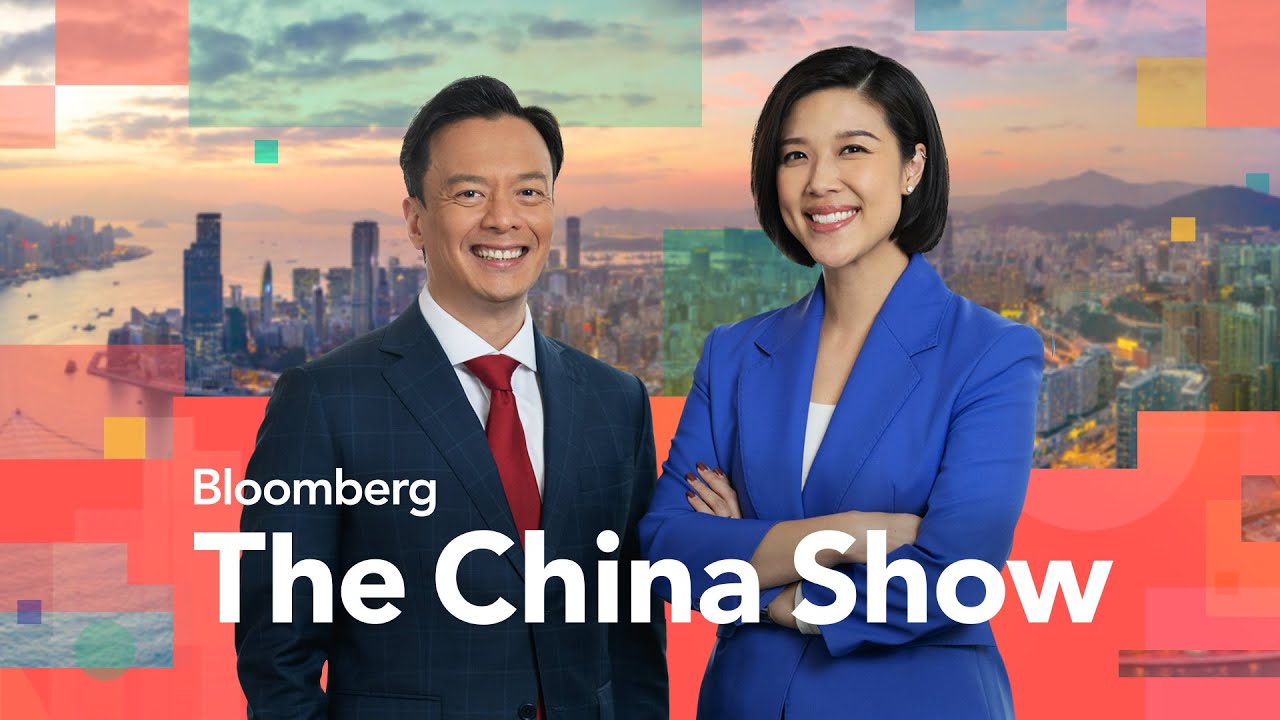
The episode of The China Show aired on February 24, 2026, focused on the global market reaction to recent developments in artificial intelligence (AI), U.S. tariffs, and the reopening of mainland Chinese markets after the Lunar New Year holiday. The hosts, Yvonne Man and David Ingles, discussed how Asian markets, particularly in China, were showing resilience despite volatility and anxiety in U.S. markets. This volatility was triggered by a bearish report on AI’s potential to disrupt various sectors, especially software, payments, and delivery companies, as well as ongoing uncertainty over U.S. tariff policy following a Supreme Court ruling that lowered effective tariffs on Chinese goods.
A key segment featured an interview with Alok Sharma, CIO of Lotus and co-author of the influential report that sparked the recent “AI scare trade.” Sharma outlined the report’s thesis: rapid advances in AI agents could lead to significant white-collar job losses in the U.S. within the next two years, creating a negative feedback loop of layoffs, reduced consumer spending, and further economic disruption. He emphasized that while some sectors—such as semiconductors and foundational AI labs—stand to benefit, many intermediary businesses (like financial services and delivery platforms) face existential threats as AI agents reduce friction and loyalty in consumer relationships. Sharma also highlighted the need for policy responses, such as targeted taxation of AI-driven windfall gains, to mitigate the risk of a broader economic downturn.
The show also covered the contrasting market reactions in Asia and the U.S. While U.S. tech and software stocks experienced sharp sell-offs, Chinese AI “pure plays” and semiconductor companies outperformed, buoyed by optimism over lower tariffs and strong domestic technology development. Analysts noted that China’s AI sector, including newly listed foundational lab companies, was attracting significant investor interest, partly because these opportunities are not available in U.S. public markets. The hosts and guests discussed how China’s experience with automation and technology-driven productivity gains could serve as a preview for what might unfold in the U.S., including the risk of a weak consumer economy if job losses are not addressed.
Other topics included the impact of U.S. tariff policy on global trade, with experts from Bloomberg Economics and AllianceBernstein weighing in. They noted that while China stands to benefit from the recent Supreme Court decision, the overall effect on exports and growth may be limited due to ongoing global trade tensions and the need for China to boost domestic consumption. The show also reported on China’s decision to add 20 Japanese firms to its export control list, escalating trade tensions in response to Japan’s defense policy shifts.
Finally, the episode touched on broader geopolitical and economic themes, such as the ongoing U.S.-Iran tensions, the importance of materials and commodities (like copper) for powering the AI revolution, and the uneven recovery of China’s consumer and travel sectors. The program concluded with a look at market performance across Asia, noting that while some sectors (like tech and consumer staples) lagged, others—especially energy and mining—were benefiting from global trends. Throughout, the show emphasized the need for investors to distinguish between AI winners and losers, and for policymakers to address the societal impacts of rapid technological change.