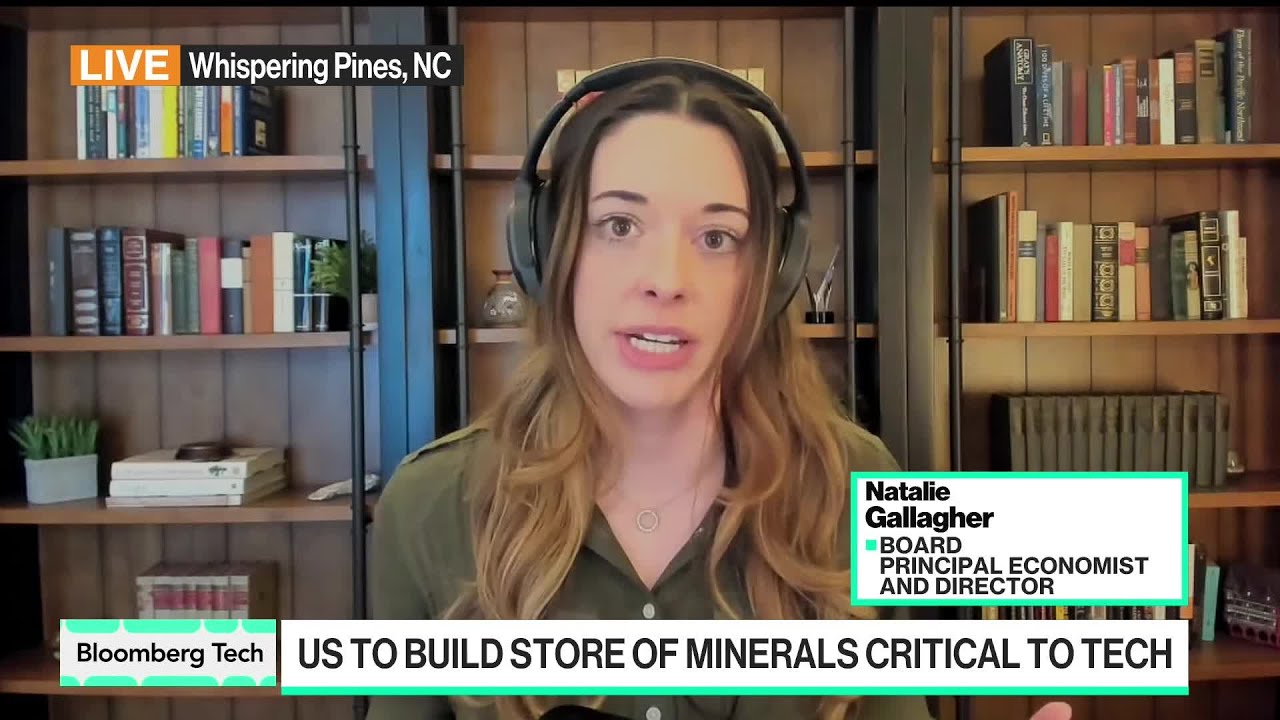
The video discusses the current state of supply chains and the strategic efforts being made by the U.S. to bolster resilience, particularly in response to export control measures by China in 2025. The conversation highlights the creation of a strategic reserve of rare earth metals, which are crucial for the digital economy. This move is intended to reduce reliance on foreign entities and ensure continued innovation and economic growth. The discussion also notes that supply chain concerns extend beyond rare earths to include bottlenecks in power, energy, and land, all of which are essential for supporting the rapid expansion of AI infrastructure.
Attention then shifts to the reality of AI’s impact on the economy and stock market valuations. The speaker points out that 2025 saw a significant increase in AI-related valuations, driven by optimism about AI’s potential. However, for these valuations to remain justified in 2026, there must be clear evidence of productivity gains resulting from AI investments. The gap between AI spending and actual return on investment (ROI) is a key focus, and the coming year is seen as pivotal in determining whether the optimism is warranted or if concerns about capital misallocation will arise.
The discussion addresses the labor market, particularly the narrative that AI is causing widespread job cuts. The economist notes that, while companies often cite AI as a reason for layoffs, the data does not yet show a clear link between AI adoption and job losses. Instead, the real indicator to watch is productivity data. For AI to fulfill its promise, there should be a noticeable, discontinuous jump in productivity, especially among early adopters in sectors like healthcare, consulting, and finance. Such evidence should begin to appear in economic data as early as 2026.
The conversation also explores the ongoing expansion of AI infrastructure and the financial strategies companies are using to support it, such as Oracle’s debt and equity sales and Nvidia’s potential investments in OpenAI. The speaker suggests that, moving forward, companies will need to demonstrate meaningful ROI from these investments. As the environment becomes more complex and opaque, the risk increases that current high valuations may be artificially inflated, making it harder for investors to assess true value.
Finally, the video touches on additional headwinds facing the AI and tech sectors, including tariffs and geopolitical tensions, such as those involving South Korea and China. A particular concern is the labor market for high-skilled tech jobs, where there are bottlenecks despite overall softness in the broader labor market. The recent U.S.-Taiwan trade deal is cited as an example of efforts to secure supply chains, but the speaker emphasizes that significant changes in workforce development are also needed to support these initiatives. The risk is that rapid policy changes may outpace the ability of the workforce to adapt, creating further challenges for the sector.