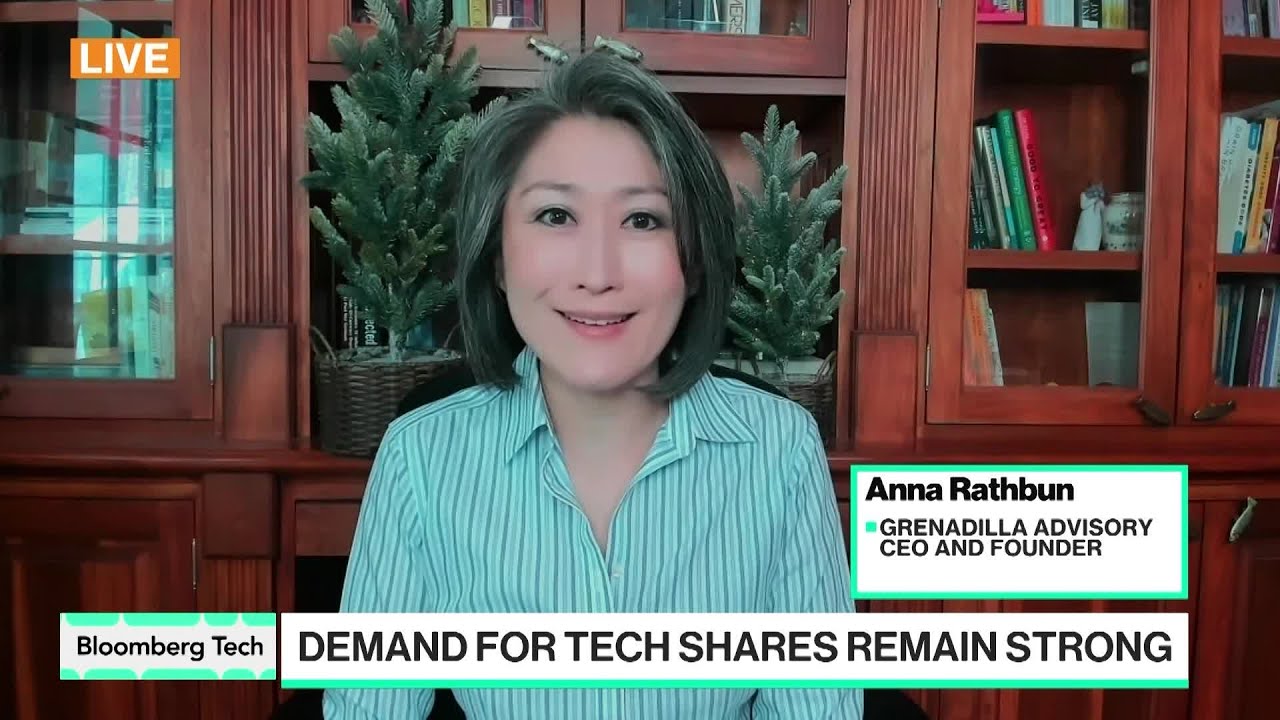
Anna Rathbun explains that recent geopolitical moves, particularly involving U.S. energy strategy and U.S.-China relations, have long-term implications for markets, especially in energy and technology sectors. She cautions that while enthusiasm for tech stocks like Nvidia and Tesla remains high, investors are seeking the next wave of innovation amid rising competition and unresolved global risks, making sustained market gains uncertain.
Anna Rathbun discusses the market’s reaction to recent geopolitical developments, particularly the U.S. move in Venezuela and its implications for energy markets. She argues that while energy stocks are rising on the news, the market is right to shrug off immediate consequences, as the real impact is long-term and geopolitical rather than a short-term trading event. Rathbun emphasizes that the situation is more of a strategic chess game involving oil-producing and oil-consuming nations like Russia, China, and those in the Middle East, with the U.S. positioning itself for future advantage.
Turning to U.S.-China relations, Rathbun notes that upcoming 2026 trade talks will focus heavily on tariffs, rare earth minerals, and advanced chips. She suggests that the U.S. gaining more control over oil supplies could shift the balance of power in these negotiations, potentially giving the U.S. an upper hand. This dynamic could influence not only energy markets but also technology sectors, especially as China seeks access to critical resources and advanced semiconductors like Nvidia chips.
Rathbun then addresses the current enthusiasm for tech stocks such as Nvidia and Tesla, questioning whether it is justified to keep pushing these stocks higher. She points out that 2026 is expected to be a significant year for IPOs and fundraising, but warns that high valuations may test investor appetite. Both Nvidia and Tesla face increasing competition—Nvidia from new TPUs and Tesla from rivals like BYD—so their continued dominance is not guaranteed.
She highlights the importance of clear guidance from tech leaders like Nvidia’s Jensen Huang and AMD’s Lisa Su, especially regarding future products and partnerships. Rathbun stresses that investors are looking for the “next big thing” beyond current chip technologies and existing relationships with major AI players. Sustained excitement in the sector will depend on evidence of ongoing innovation and new strategic alliances.
Finally, Rathbun expresses cautious optimism for 2026, noting that while there is room for markets to run, volatility is likely, especially given stretched valuations and unresolved risks in U.S.-China relations. She observes a notable divergence between software and hardware stocks, with hardware outperforming recently. However, she remains skeptical about the stickiness of AI-related software, suggesting that widespread, lasting adoption has yet to materialize. Until software integration becomes more entrenched in business operations, she believes the market’s cautious stance is justified.