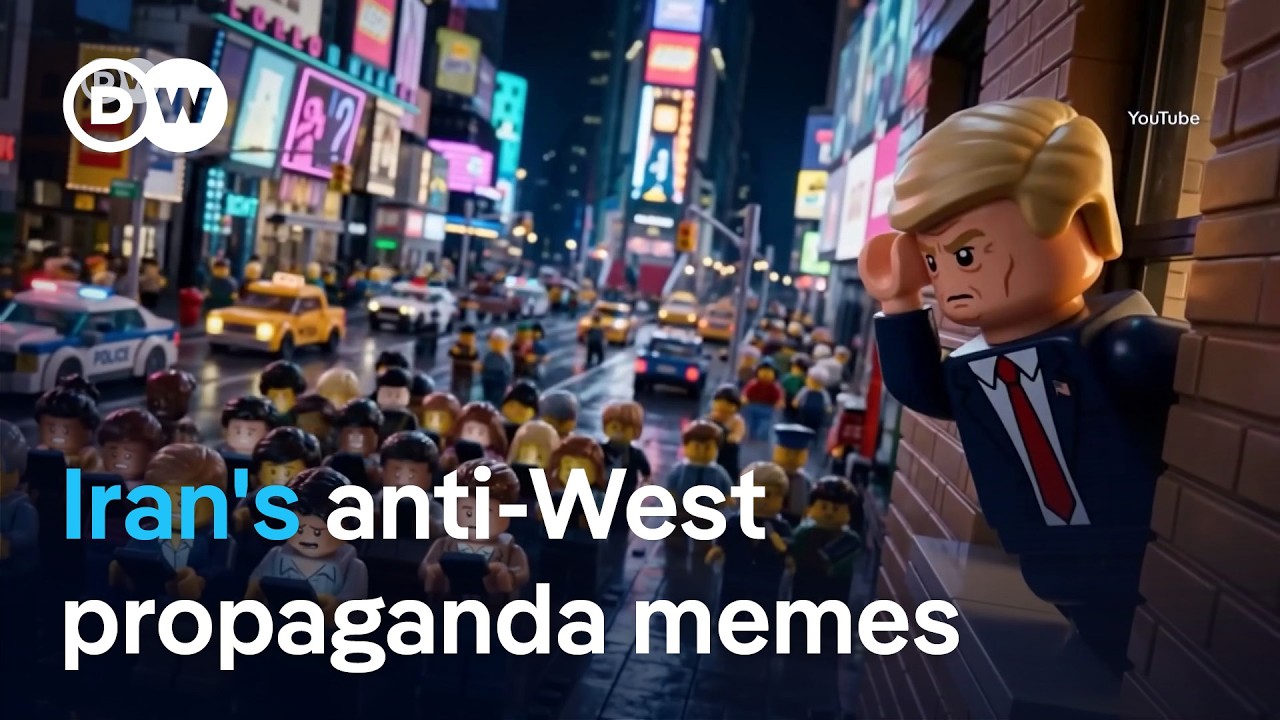
The video discusses Iran’s innovative use of AI-generated Lego cartoons, memes, and absurd internet content as a tool for spreading anti-Western propaganda during the Iran war. These videos, which have garnered billions of views, feature chaotic and surreal imagery, such as Lego figures of Donald Trump, Benjamin Netanyahu, and the devil flipping through Epstein files and detonating missiles that destroy schools. While the content may seem ridiculous and not aimed at convincing viewers of specific truths, its primary goal is to capture attention and shape emotional responses before critical thinking can occur.
Peter Benzone, senior research manager at the Institute for Strategic Dialogue, explains that these videos are not designed to change the minds of older viewers but to build long-term associations among younger internet natives—Gen Z, Gen Alpha, and millennials. By using familiar cultural objects like Legos and AI-generated aesthetics, the content creates a sense of fun and entertainment linked to Iranian righteousness and resistance against perceived American moral decline. This approach bypasses the critical scrutiny typically applied to traditional news, making the propaganda more effective among younger audiences who consume memes and AI content regularly.
The messaging within these videos is multifaceted, combining references to real events like the Minab school strike with symbolic portrayals of Iran as a plucky underdog standing up to a corrupt America. The content is designed to evoke emotional engagement, encouraging viewers to share and discuss the material within their social circles. The ultimate objective is not immediate political change but a gradual shift in perception, recasting Iran from an oppressive regime to a relatable and justified actor on the world stage.
Production of this content is a mix of state-commissioned work and grassroots creations by fans or paid proxies, which contributes to its viral spread and adaptability. Despite Iran’s strict censorship and repression of internet culture domestically, this propaganda thrives due to its decentralized nature and the current political moment that positions Iran as a defiant underdog. However, this image is fragile and could collapse if the regime’s oppressive actions, such as executions or crackdowns, continue and become widely known.
Comparing Iran’s meme campaign to Western efforts, Benzone notes that while Iran appears to be winning the “meme war” by targeting a broad international youth audience, the White House’s internet content primarily serves to reinforce existing supporters. The two sides are essentially fighting different battles with different goals. Ultimately, Iran’s use of AI-driven, culturally resonant propaganda represents a new frontier in information warfare, emphasizing attention capture and emotional influence over straightforward persuasion or factual debate.