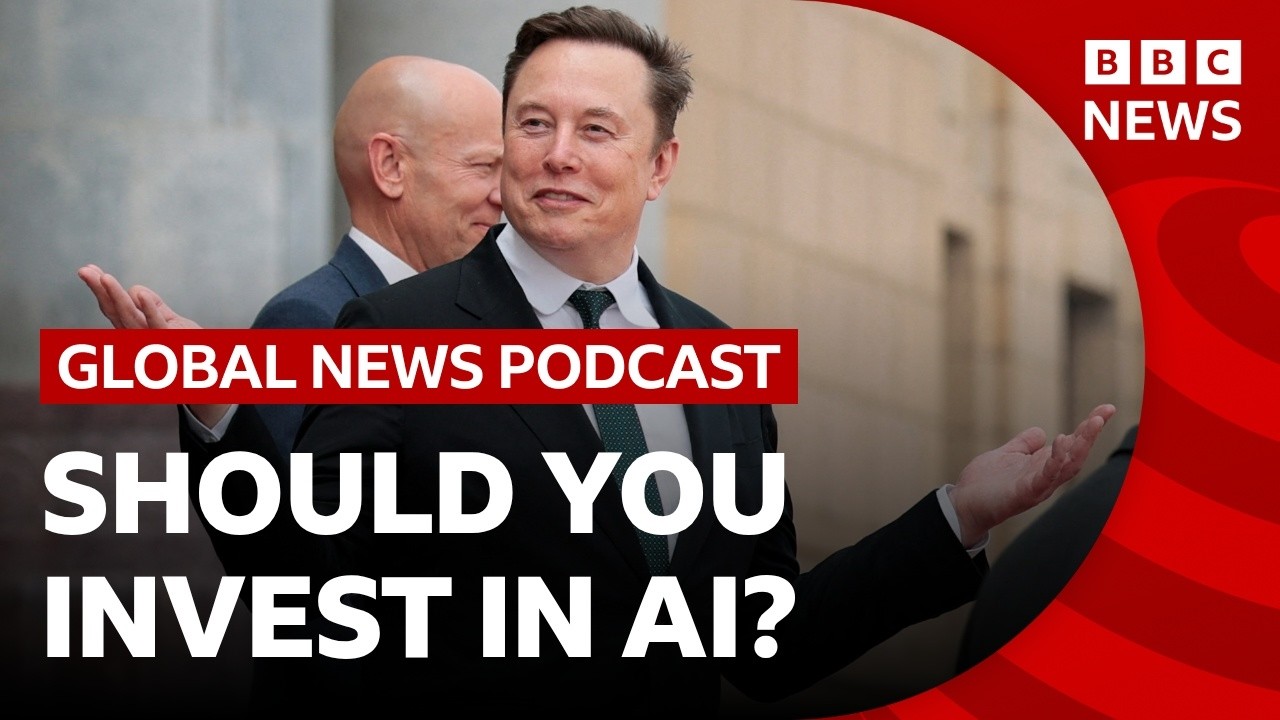
The current moment in artificial intelligence (AI) investment is described as a pivotal and fascinating period, marked by major AI companies preparing for initial public offerings (IPOs). There has been massive investment in AI infrastructure, computing power, and data centers, with companies like SpaceX, Anthropic, and OpenAI planning to go public. This transition to public markets will allow everyday investors to buy shares for the first time, creating excitement but also uncertainty about whether these companies can generate returns that justify their enormous valuations, which collectively could reach around $4 trillion.
Investing in AI-related IPOs carries significant risks and potential volatility. While there is a surge of interest from both seasoned investors and newcomers, experts advise caution. New investors are encouraged to diversify their portfolios rather than putting all their money into a single AI company, as there are no guarantees of success. Despite these warnings, brokers are lowering barriers to entry by waiving fees and other costs to attract as many investors as possible, reflecting the strong market appetite for AI stocks.
SpaceX’s upcoming IPO is a major focus, partly due to Elon Musk’s reputation for achieving ambitious goals that others doubted. Musk’s track record with Tesla has made him a figure of immense interest and confidence among investors. However, SpaceX is not just a rocket company; it also owns XAI, an AI platform that includes the social media platform formerly known as Twitter. The majority of SpaceX’s market opportunity lies in AI, but it currently lacks a clear competitive edge in this field compared to companies like Anthropic and OpenAI, making its lofty $1.75 trillion valuation a challenging proposition to justify.
The timing of these IPOs is influenced by the current high investor demand for AI-related assets. SpaceX plans to sell only a small portion of its shares initially, but there is concern about the potential for large amounts of stock to flood the market later, which could depress prices. This scenario echoes the dotcom bubble, where an oversupply of shares led to a market crash. Sustaining investor appetite over the long term is uncertain, especially given the unprecedented challenges these companies face in achieving their ambitious goals.
In summary, while AI represents a transformative technology with vast economic implications, investing in AI IPOs requires careful consideration. The excitement around companies like SpaceX is fueled by visionary leadership and groundbreaking technology, but the high valuations and market dynamics pose risks. Investors are advised to approach these opportunities with caution, diversify their investments, and be prepared for potential volatility as the AI sector continues to evolve and mature in the public markets.