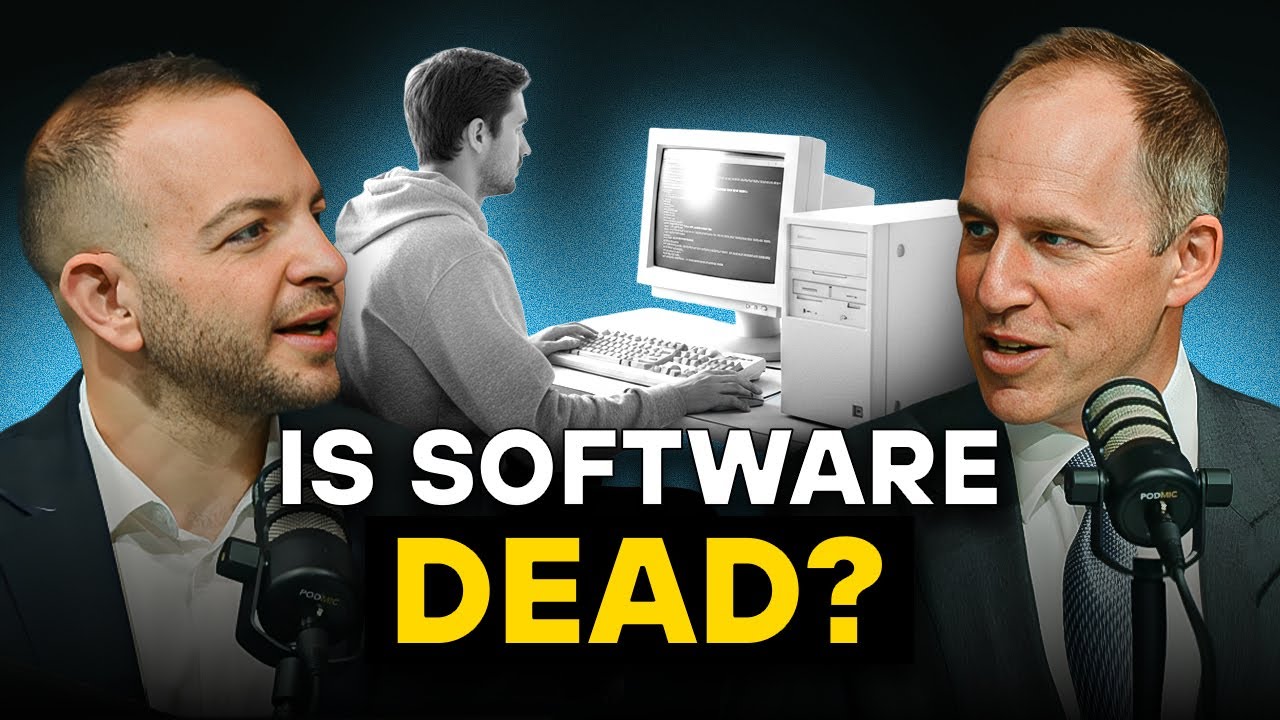
Bret Taylor, chair of OpenAI and CEO of Sierra, joins the Big Technology Podcast to discuss how artificial intelligence is transforming the software industry. Taylor explains that AI is not just making it easier to build custom software—what some call “vibe coding”—but is fundamentally changing the way we interact with technology. Instead of traditional dashboards and forms, he envisions a future where AI agents autonomously handle tasks, provide personalized insights, and interact with users in more natural, conversational ways. This shift, he argues, will disrupt incumbent software companies and create opportunities for new, AI-native businesses.
Taylor is optimistic about the democratization of software creation, but he cautions that most companies still prefer to buy robust, maintained solutions rather than build and maintain their own. He draws parallels to the evolution of the internet and cloud computing, noting that while it’s now trivial to build a website, most businesses use platforms like Shopify for their added value and reliability. He predicts that in the future, companies will acquire AI agents tailored to their needs, with business models shifting toward outcome-based pricing rather than traditional software licensing.
The conversation also explores the impact of AI on business models and the broader economy. Taylor believes that AI will force both incumbents and startups to rethink how they deliver value, with the most significant challenge being not just technological adaptation but also business model transformation. He highlights the example of Salesforce and other enterprise software giants, suggesting that their success will depend on how well they can reimagine their offerings as agent-driven solutions that focus on the core “jobs to be done” for customers.
Taylor discusses Sierra’s rapid growth and how its AI agents are already being trusted by major companies to handle complex, mission-critical tasks, such as customer service and mortgage processing. He explains that while AI is not perfect, it can be more reliable than human workers in many scenarios, especially when combined with robust testing, simulation, and monitoring systems. He emphasizes that the key to successful AI deployment is not waiting for perfection, but identifying which business processes are ready for automation today and putting safeguards in place to manage errors.
Finally, Taylor reflects on his career and the lessons learned from working with tech leaders like Mark Zuckerberg, Sheryl Sandberg, and Sam Altman. He remains optimistic about the future of AI, rejecting the idea that it is the “last invention” and predicting that it will drive scientific and societal progress in ways we can’t yet fully imagine. Taylor believes we are still in the early stages of the AI revolution, with much uncertainty ahead, but he is confident that competition and innovation will ultimately benefit humanity.