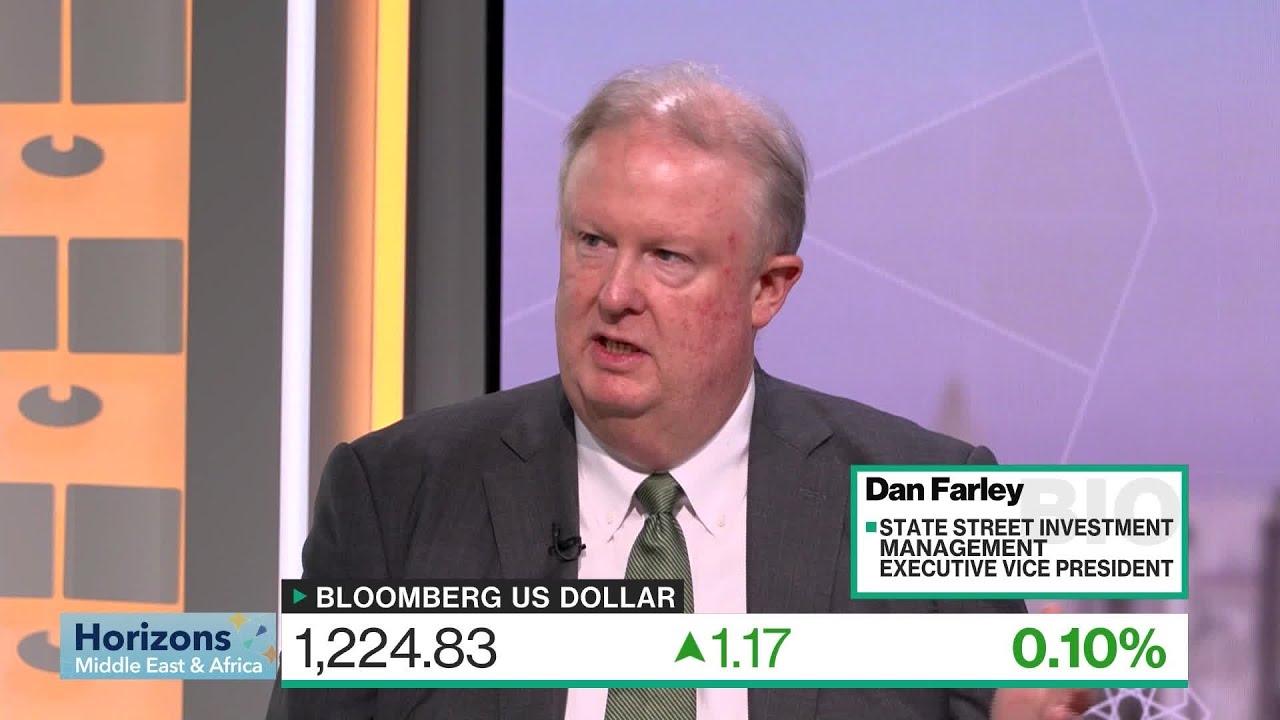
Dan Farley believes it is too early to declare the bursting of the AI-driven market bubble, emphasizing that recent market fluctuations are normal and supported by strong earnings growth rather than speculative valuations. While cautiously optimistic about continued growth in equities and the AI rally, he highlights risks such as potential earnings shortfalls and rising interest rates that could increase market volatility.
In the discussion about the recent volatility in global equities, Dan Farley, Executive Vice President and CEO of the Investment Solutions Group at State Street Investment Management, expresses that it is premature to declare the bursting of an AI-driven market bubble. He points out that fluctuations, such as Micron’s 8% drop after a significant rise, are normal and do not necessarily indicate a market collapse. Farley remains broadly supportive of equities, emphasizing that the current rally still has potential for growth.
Farley acknowledges that while valuations are not cheap, they are justified by continued earnings growth. He highlights that much of the recent market returns, particularly in the S&P 500, have been driven by strong earnings rather than speculative price increases. This earnings-led growth, coupled with price multiple contractions in many markets, suggests a healthier market environment compared to one where earnings decline but valuations rise, which would be more indicative of a bubble.
Focusing on the semiconductor sector, which has seen significant gains this year despite recent declines, Farley believes there is still room for growth in the AI rally. However, he identifies key risks that could impact this trajectory. The primary concern is whether companies can continue to deliver strong earnings, as any shortfall could increase market volatility and undermine investor confidence.
Another significant risk Farley mentions is the potential rise in interest rates. Although he does not anticipate an immediate jump to a 5% US ten-year yield, he warns that a substantial increase in rates could trigger a broad market repricing. Given the recent rapid movements in AI-related stocks, these companies might be more vulnerable to such shifts compared to other sectors.
Overall, Farley’s perspective is cautiously optimistic. He sees the current market adjustments as part of a normal cycle rather than the end of the AI-driven rally. Continued earnings growth and manageable interest rate environments are crucial for sustaining the momentum, while investors should remain mindful of the risks that could disrupt this positive trend.