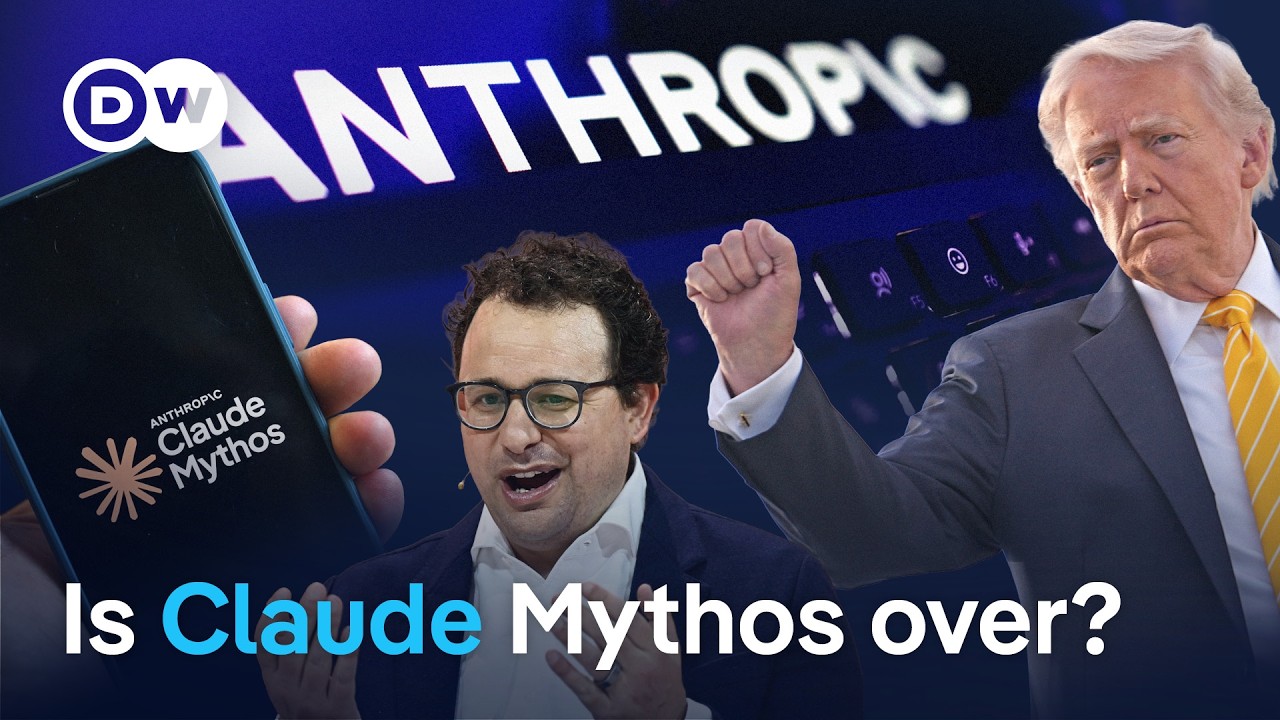
The video discusses the recent controversy surrounding Anthropic’s AI models, Mythos 5 and its restricted version Fable 5. Anthropic initially claimed Mythos 5 was too dangerous for public release, so they released a toned-down version called Fable 5. However, just three days after the release, the Trump administration imposed an export ban on both models citing national security concerns, effectively pulling them from public access. This situation raises questions about who controls AI development and deployment—the companies, the government, or the technology itself.
Gary McGroy, CEO of the Berryville Institute of Machine Learning, explains the irony in the situation. Anthropic marketed Mythos as too dangerous to release, so they created Fable with restrictions to mitigate risks. Yet, a jailbreak was discovered that could revert Fable back to Mythos, prompting the government to intervene. McGroy and others in the security community believe Mythos was not inherently too dangerous, and the real issue lies in the lack of reliable methods to measure AI security and capabilities. The conflicting claims and unclear benchmarks complicate regulatory decisions.
The discussion also touches on the broader context of government involvement in AI. Just days before the export ban, Trump signed an executive order requiring AI companies to share their latest models with the government before public release to assess security risks. AI leaders, including Anthropic’s co-founder Chris Ola, support external oversight and moral scrutiny to ensure AI safety, acknowledging the pressures companies face to balance innovation, commercial viability, and ethical responsibility. This highlights the need for checks and balances in AI development.
McGroy draws parallels between current AI export controls and the cryptography wars of the 1990s, where the U.S. government restricted cryptographic technology exports, only to see other countries develop their own solutions. He questions whether the export ban might hinder U.S. AI progress or cause a brain drain by limiting access to top international talent. The current administration’s approach to science and technology is criticized for being less supportive compared to previous ones, potentially impacting America’s leadership in AI innovation.
Ultimately, the video emphasizes the complexity of regulating advanced AI technologies. Both Anthropic and the government face ironic and conflicting positions—Anthropic’s claim of danger versus government restrictions on technology dissemination. The expert suggests that transparency, open measurement standards, and collective decision-making are essential to navigate these challenges. The hope is that this clash will lead to better frameworks for managing AI development responsibly and inclusively on a global scale.