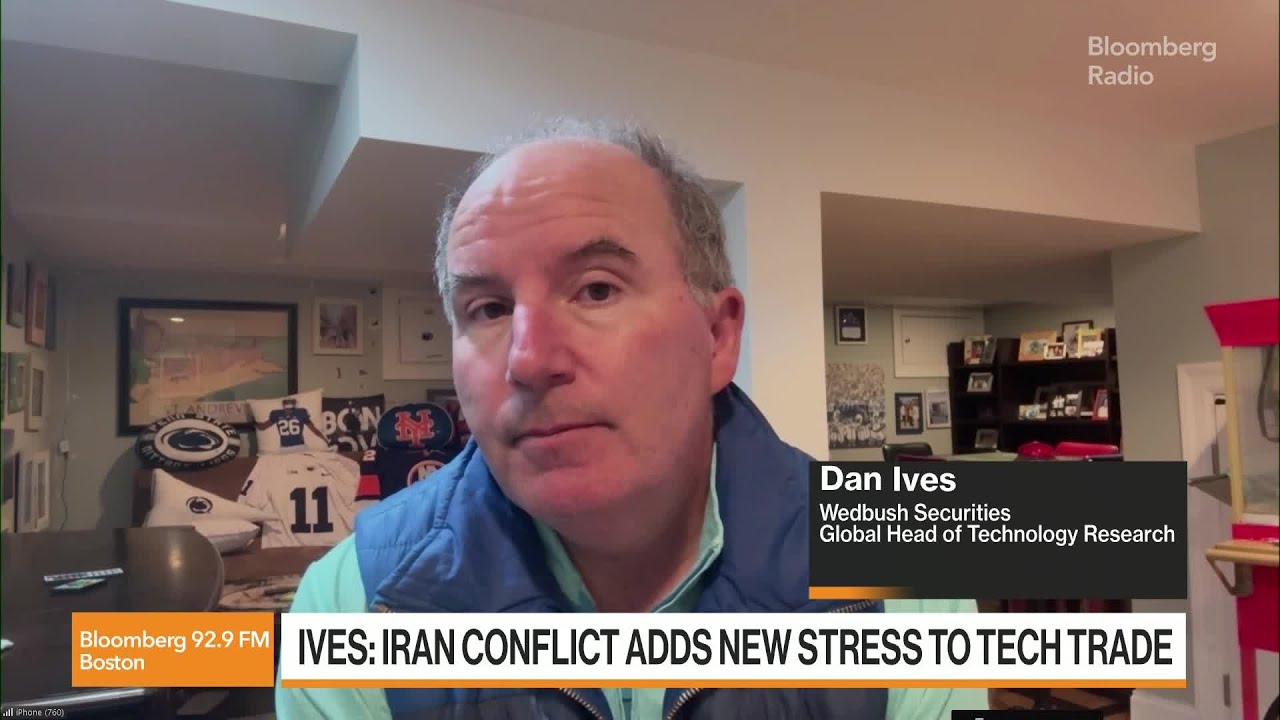
Dan Ives discusses the recent concerns in the tech sector, particularly around Anthropic and its interactions with the Pentagon, which have sparked fears about the future of software and cybersecurity companies. He notes that worries about AI models like Anthropic replacing traditional software have weighed heavily on the sector, affecting major names such as Microsoft. However, Ives believes these fears are overblown and sees the recent events as the beginning of a bottoming process for software stocks, dismissing the idea that AI will fully replace core software as a “fairy tale.”
The conversation touches on recent reports that have fueled doomsday scenarios, suggesting that AI could disrupt the software industry as soon as 2028. Ives pushes back against these predictions, likening them to unrealistic personal goals, and emphasizes that we are still in the early stages of an AI-driven tech bull market. He acknowledges the current market jitters, driven by concerns over capital expenditures, geopolitical tensions like the Iran conflict, and broader macroeconomic uncertainty, but maintains that these are temporary and present opportunities to invest in leading tech companies.
When asked about the risks to different types of software, Ives highlights that cybersecurity is particularly misunderstood. He argues that AI increases the attack surface, making cybersecurity solutions from companies like CrowdStrike, Palo Alto Networks, and Check Point even more essential. He also points out that core enterprise software providers such as Salesforce, ServiceNow, and Microsoft are not at risk of being replaced by AI. However, he cautions that companies with more limited, “one-trick pony” business models could be more vulnerable to disruption.
Ives connects the tech trade to the broader macro environment, noting that geopolitical events like the Iran conflict are increasing reliance on technology and defense-related tech companies. He mentions firms such as Planet Labs, Voyager, and Palantir as beneficiaries of this trend. Despite the ongoing uncertainty and volatility, he advises investors to focus on owning the long-term winners in tech, reiterating that the sector is still in the early stages of a significant growth cycle.
Finally, the discussion returns to Anthropic and OpenAI’s dealings with the government, particularly the Pentagon. Ives describes Anthropic’s recent missteps as “touching the third rail,” leading to a precarious situation and a cautionary tale for other tech firms. He suggests that while these events create risks for the companies involved, they also open opportunities for competitors. Ives is skeptical about the likelihood of Anthropic or OpenAI going public by 2026, especially given the regulatory scrutiny and supply chain restrictions now facing them, comparing the situation to the challenges faced by Huawei.