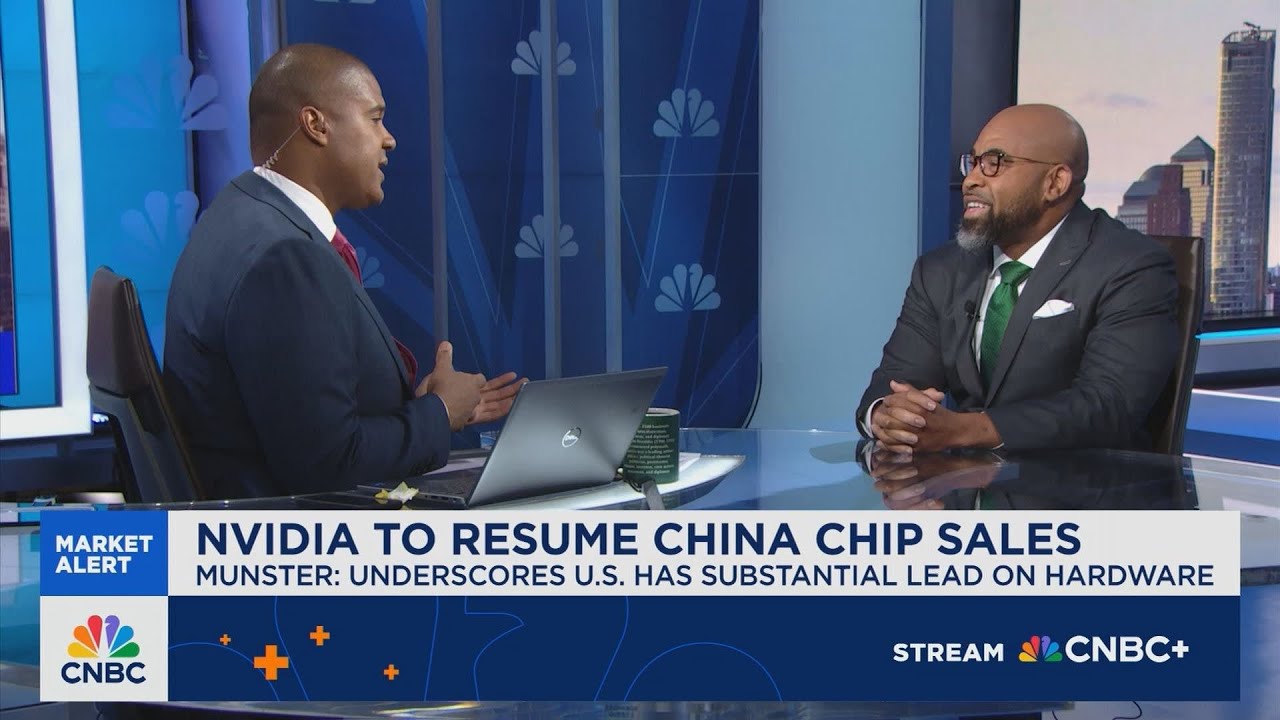
The discussion highlights that AI is the primary driver of growth in the tech sector, with companies like Nvidia well-positioned for long-term success despite short-term challenges and geopolitical uncertainties, particularly regarding U.S.-China technology dynamics. Additionally, tech stocks offer a unique blend of growth and stability for investors, while rising bond yields warrant cautious monitoring but are not yet cause for alarm.
In the discussion with Nick from Columbia Threadneedle Investments, the focus is primarily on the tech sector, which continues to be driven by artificial intelligence (AI). Despite some short-term fluctuations, such as the recent growth warning from ASML—a key chip supplier for companies like Nvidia—the overall narrative remains positive. AI is expected to profoundly impact the economy over the next 15 to 20 years, and companies like Nvidia are well-positioned for significant growth as they continue to penetrate the market.
The conversation also touches on the strategic importance of U.S. technology, especially in the context of China’s demand for U.S. hardware. Gene Munster highlights that China’s willingness to accept lower-tier Nvidia chips as part of negotiations underscores the U.S.'s substantial lead in AI hardware. While China is currently playing catch-up, the demand for U.S. technology infrastructure remains strong, although future access could be uncertain due to geopolitical tensions.
When it comes to how investors should view tech stocks, Nick suggests that the sector embodies both growth and safety. Tech companies are experiencing above-market growth rates while also offering predictability, strong profit margins, and robust cash flows. This combination provides stability and clarity for investors, making tech a unique sector that blends growth potential with defensive qualities.
The discussion briefly shifts to alternative asset managers like KKR and Ares, especially in light of a potential executive order that could allow more private investments in 401(k) plans. With trillions of dollars in 401(k) assets, even a small shift toward alternative investments could generate significant flows for these managers. However, there is some speculation about whether big banks might re-enter this market, which they had largely ceded to alternative asset firms.
Finally, the conversation addresses bond yields, particularly the 30-year yield rising above 5% and the two-year yield nearing 4%. Nick does not see these levels as immediate warning signals but advises caution as higher rates increase discount rates, potentially pressuring stocks in the short term. He emphasizes watching the 10-year yield, noting that if it rises above approximately 4.8% to 4.9%, it could signal a need for investors to reassess their positions.