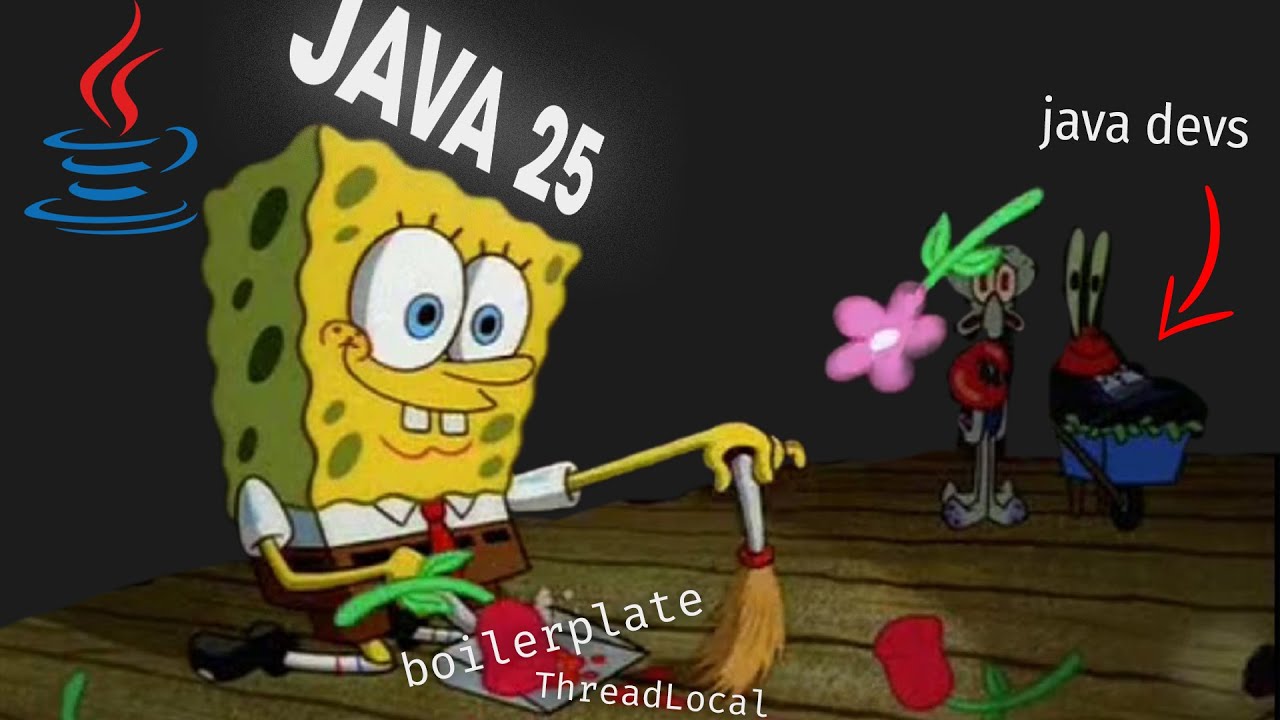
Java 25, the first Long-Term Support (LTS) release since Java 21, has just been launched, bringing significant improvements that make Java simpler and cleaner. While Java 24 focused on raw speed, Java 25 emphasizes reducing boilerplate code, slimming down the runtime, and fixing long-standing issues that made Java code verbose and cumbersome. This release is especially important for enterprises still stuck on older versions like Java 8 or 11, encouraging them to upgrade and embrace modern Java features.
One of the standout features in Java 25 is the introduction of compact source files and instant main methods. This change removes the need for the traditional verbose class and method declarations just to print a simple “Hello World,” making Java more beginner-friendly. The new java.lang.io IO helper and automatic imports from Java SE further simplify coding, allowing beginners to focus on writing code rather than dealing with boilerplate rituals. Additionally, constructors have become more flexible, allowing useful work like validation or throwing exceptions before calling super or this, which was previously disallowed.
Java’s pattern matching continues to evolve with support for primitives, reducing the need for boxing and unboxing operations. This enhancement, still in preview, allows switching directly on primitive types, making code cleaner and more efficient. Java 25 also finalizes scoped values and structured concurrency features from Project Loom, improving thread-local storage without memory leaks and simplifying concurrent task management. These features help developers write safer and more maintainable multithreaded code.
On the performance and memory front, Java 25 introduces compact object headers that reduce object header size from 12 bytes to 8, saving significant heap space and reducing RAM usage and cloud costs. The generational Shenandoah garbage collector is now production-ready, offering better young-old generation separation and fewer garbage collection pauses, which improves microservice responsiveness. Additionally, Project Laden enhancements include ahead-of-time (AOT) method profiling and Java Flight Recorder (JFR) upgrades, enabling faster startup times and better production diagnostics.
Security and developer experience also see improvements with a new standard Key Derivation Function (KDF) API and preview support for PEM encoding, eliminating the need for third-party libraries for common cryptographic tasks. Module import declarations have been simplified, making Java modules easier to teach and use, though they may not save the module system entirely. The Vector API continues to incubate, providing SIMD operations for numeric and machine learning workloads without resorting to JNI. Overall, Java 25 is a major step forward, combining cleaner syntax, better performance, enhanced concurrency, and improved security, making it a compelling upgrade for developers and enterprises alike.