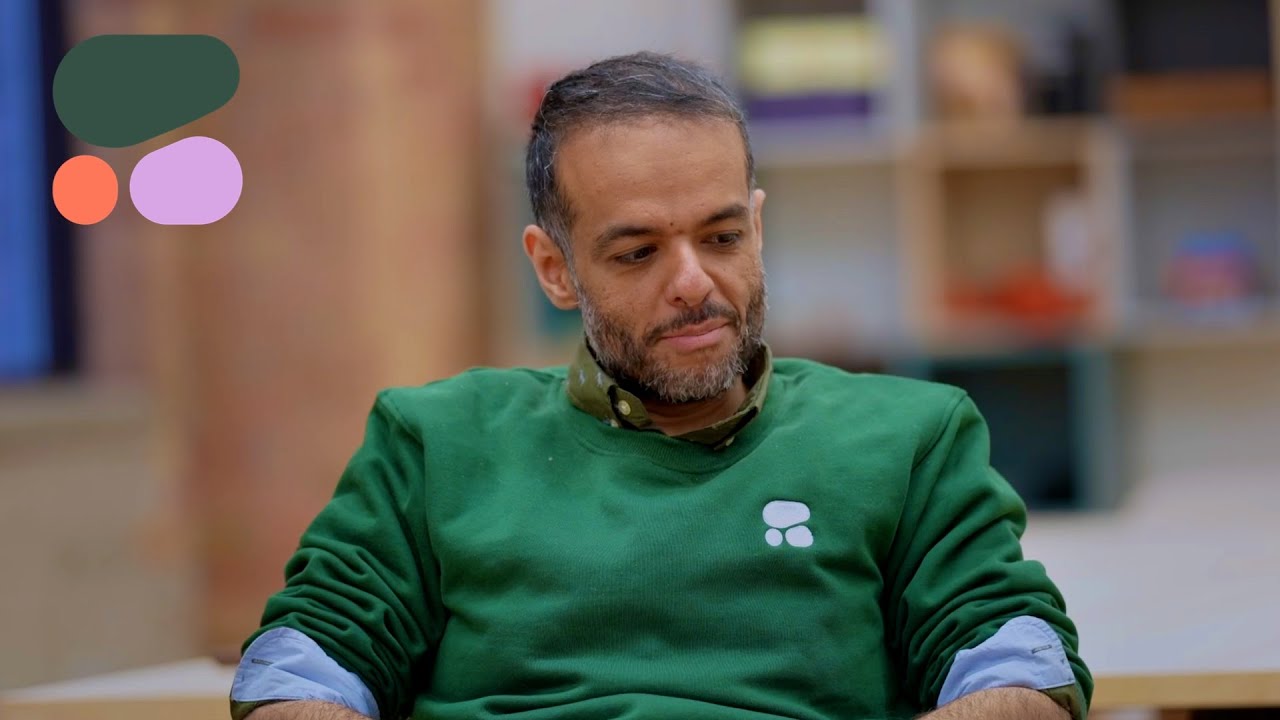
Jay Alammar discussed the evolving landscape of large language models (LLMs), emphasizing the significance of Retrieval-Augmented Generation (RAG) for enhancing the reliability and accuracy of AI applications. He highlighted the importance of integrating software engineering best practices into AI development and expressed his commitment to education through initiatives like LLM University, while also preparing to release his book, “Hands-On Large Language Models.”
In a recent discussion, Jay Alammar, a prominent figure in the AI community known for his ability to visualize complex concepts, shared insights on the evolving landscape of large language models (LLMs) and their applications. He emphasized that many of the most exciting advancements in AI are not purely generative but focus on practical applications like semantic search and reranking. Alammar, who has transitioned from an educator to a role at Cohere, is dedicated to teaching developers and enterprises how to effectively utilize LLMs for problem-solving and understanding their use cases.
One of the key topics discussed was Retrieval-Augmented Generation (RAG), which Alammar described as a crucial application of LLMs. RAG enhances the reliability of AI by augmenting language models with additional information, allowing them to provide more accurate and context-aware responses. This involves a search step that retrieves relevant data before generating answers, making the model’s output more factual and grounded. Alammar highlighted that this approach is particularly beneficial for enterprises looking to leverage AI for competitive advantage.
Alammar also discussed the importance of building robust systems around LLMs, advocating for the integration of best practices from software engineering into AI development. He noted that while generative capabilities are impressive, many reliable applications exist beyond simple text generation, such as semantic search and classification. By focusing on these areas, businesses can achieve significant improvements in their existing systems. He encouraged developers to explore the potential of embeddings and ranking models to enhance their applications.
As an educator, Alammar is passionate about sharing knowledge and fostering a community of learners. He believes that sharing insights publicly not only helps others but also deepens his own understanding of complex topics. His collaborative project, LLM University, aims to provide accessible educational resources on large language models, allowing individuals to learn and ask questions in a supportive environment. Alammar’s commitment to education reflects his belief in the importance of making AI knowledge accessible to a broader audience.
Finally, Alammar touched on the future of AI, expressing excitement about the potential for new architectures and applications. He acknowledged the challenges of keeping up with rapid advancements in the field but emphasized the importance of focusing on practical applications and reliable behaviors of AI systems. As he prepares to release his upcoming book, “Hands-On Large Language Models,” Alammar aims to guide readers through the intricacies of LLMs, offering insights into their applications and underlying mechanics. His work continues to inspire and educate those interested in the transformative power of AI.