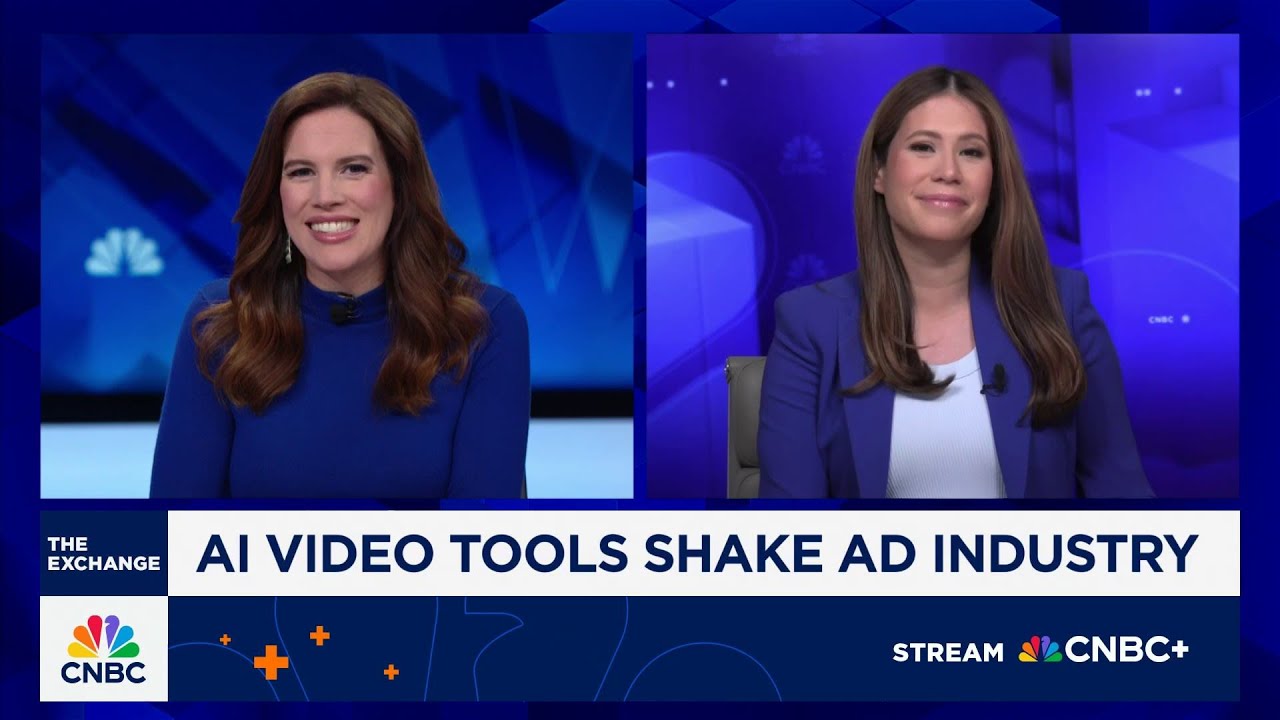
The video discusses a groundbreaking AI-generated advertisement created by the prediction platform Kalkine, which aired during Game 3 of the NBA Finals on ABC. This ad was produced in less than 72 hours at a cost of only $2,000, showcasing the rapid and cost-effective capabilities of new AI tools like Google’s Veo video generation platform. The ad featured real-time fan reactions and predictions, highlighting how AI can quickly produce engaging content for major broadcast events, disrupting traditional advertising workflows that are typically expensive and time-consuming.
The use of AI in this context signals a significant shift in the advertising industry, which has long relied on human-led production processes involving expensive crews, equipment, and editing. Kalkine’s success with this AI-generated ad, which garnered over 10 million impressions and is expected to reach 20 to 30 million, demonstrates the potential for AI to create viral content at a fraction of the traditional cost. This development raises questions about how traditional ad agencies will adapt as AI tools become more capable of producing high-quality, impactful advertisements rapidly and cheaply.
The video also touches on the broader implications of AI in media and advertising, including concerns about deepfakes, public trust, and copyright issues. Notably, the ad aired on a Disney-owned network even as Disney is involved in legal disputes over AI-generated images with companies like Midjourney. Currently, there are no legal restrictions or watermarking requirements preventing companies from deploying fully AI-created ads on television, which could lead to an influx of AI content in mainstream media without clear regulation.
Experts in the discussion highlight that, while AI-generated ads are still in the early, “cool” phase, their effectiveness and long-term impact remain to be seen. The initial success of Kalkine’s ad, with its high viewership and viral potential, suggests that AI can produce compelling content, but questions remain about whether future AI ads will match the virality and engagement of this first high-profile example. The industry is watching closely to see if AI can sustain this momentum and deliver consistent results.
In conclusion, the video emphasizes that AI technology is rapidly advancing and beginning to disrupt traditional advertising models. As AI tools become more accessible and capable, companies with the resources and creativity to leverage them can produce impactful ads quickly and cheaply. However, this shift also raises important ethical, legal, and trust issues that the industry will need to address as AI-generated content becomes more prevalent in mainstream media and advertising landscapes.