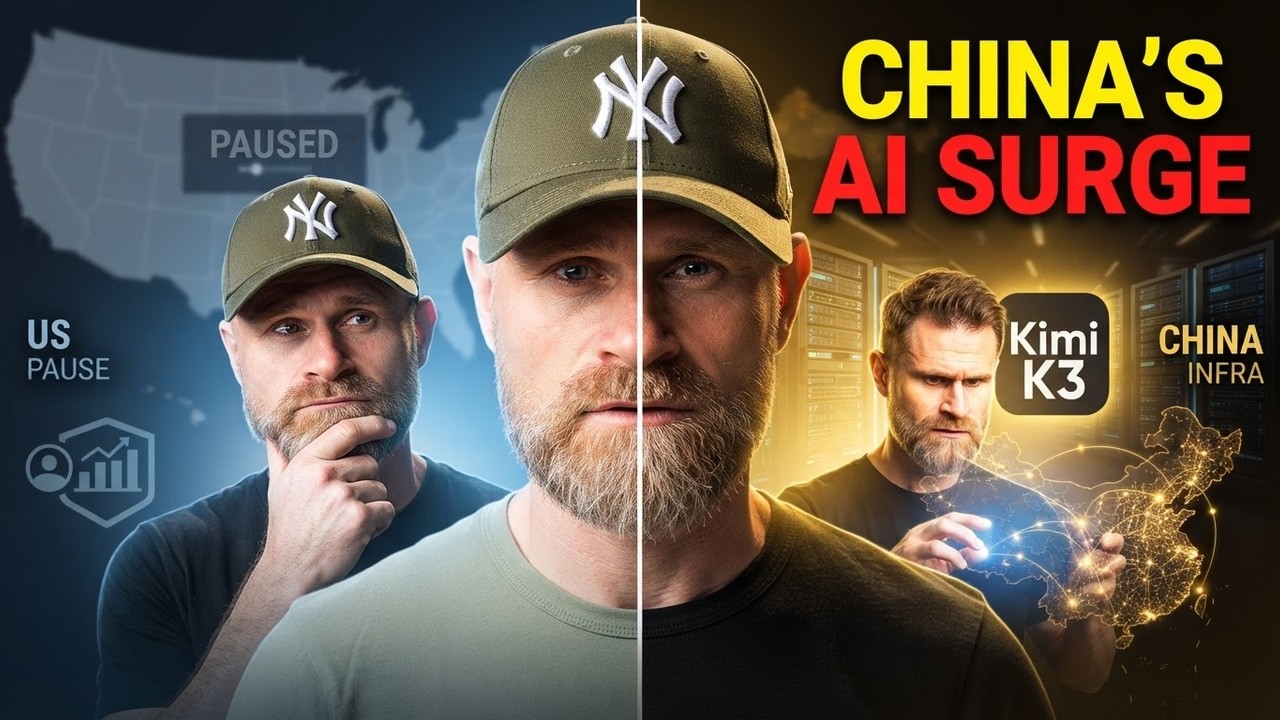
The video explores the recent security clearance restrictions on AI models in the defense industry, which have caused abrupt access cuts and disrupted usage despite the models’ affordability and potential. It highlights the debate between ensuring national security and fostering innovation, with critics like White House advisor David Sacks warning that bans could hinder American competitiveness while failing to stop global AI development.
The video discusses recent developments around security clearance requirements in the defense industry, which have led to significant restrictions on the use of certain AI models. To comply with these new regulations, access to these models was abruptly cut off for all users, causing widespread disruption despite the models being relatively affordable. This sudden halt highlights the tension between security concerns and technological accessibility.
Despite the cost-effectiveness of these AI models, there is considerable room for improvement, particularly in how they are tested and utilized. Testers have noted discrepancies between the API usage and the user interface, which raises questions about consistency and reliability. These differences suggest that the technology, while promising, still faces challenges that need to be addressed to ensure smoother and more effective deployment.
A notable development in the discussion is the public opposition from David Sacks, a White House advisor, who challenges the idea of imposing a ban on these AI models. He argues that such a ban would be counterproductive, as it would restrict American developers, researchers, and students from accessing important tools necessary for innovation and progress. His stance introduces a critical perspective on the balance between regulation and technological advancement.
Sacks emphasizes that a US ban would not effectively curb the use of these AI technologies globally. Instead, it would primarily disadvantage American stakeholders while allowing foreign competitors like DeepSeek or Qwen to continue their development unimpeded. This point underscores the competitive risks involved in overly restrictive policies that may hinder domestic innovation without achieving the intended security outcomes.
Overall, the video highlights the complex interplay between national security, technological progress, and international competition. It calls attention to the need for thoughtful regulation that protects sensitive information without stifling innovation or ceding technological leadership to other countries. The debate continues as policymakers, industry experts, and advisors weigh the best path forward in this rapidly evolving landscape.