Kling 3.0 is a major leap forward in AI video generation, introducing several groundbreaking features that set it apart from previous versions and competing tools. The most notable upgrades include improved realism, advanced physics, and enhanced character consistency, allowing for more believable and emotionally engaging scenes. Videos can now be up to 15 seconds long, and the new multi-shot prompting feature enables the creation of complex sequences with different camera angles and transitions from a single prompt. The model also boasts native audio generation, supporting multilingual dialogue, natural lip sync, and character-level speaking control, making the output even more lifelike.
A significant innovation in Kling 3.0 is its ability to maintain consistency in characters, objects, and environments throughout a video, even during zooms, pans, and scene changes. The model’s text rendering has also improved, producing clear and readable on-screen text, especially for larger fonts. Additionally, the Kling 3 Omni model allows users to upload multiple reference images or even videos, which helps preserve the visual and audio likeness of characters across different scenes. This opens up new possibilities for filmmakers and content creators, such as training the model to replicate specific voices, movements, and appearances.
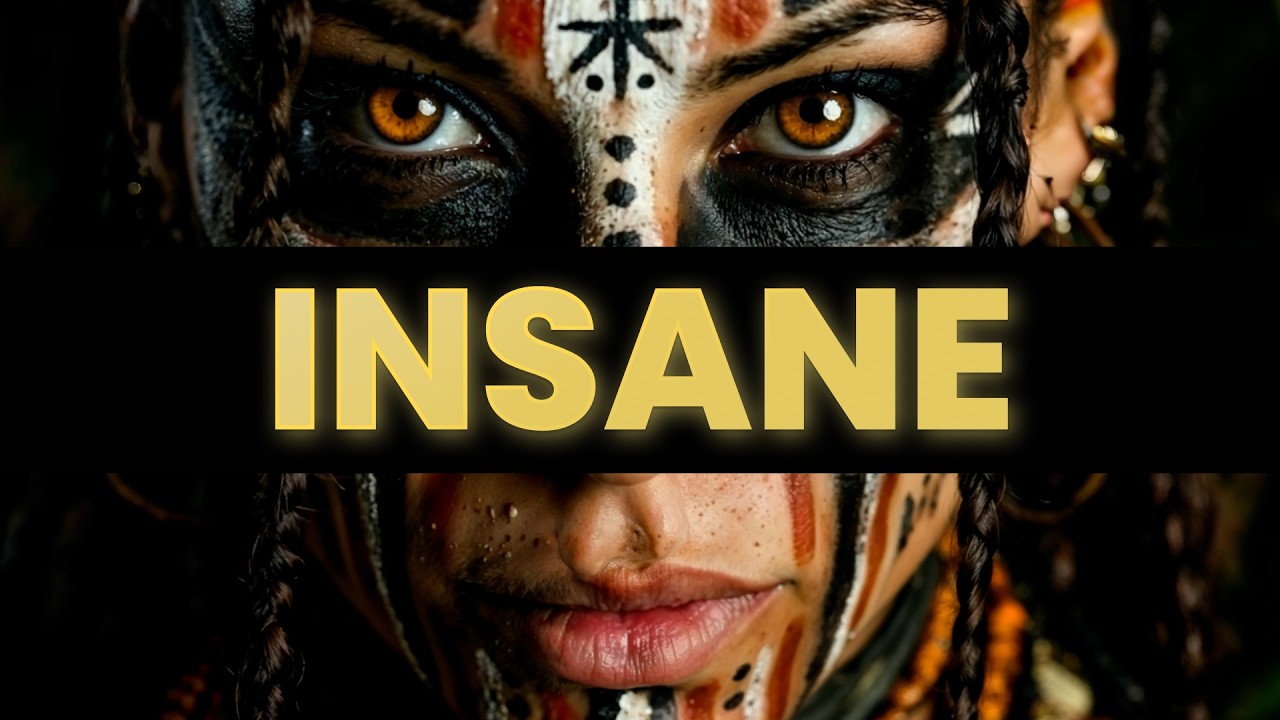
The video showcases several impressive examples of Kling 3.0’s capabilities, including realistic facial expressions, detailed rendering of fine features like hair and freckles, and believable acting that conveys a wide range of emotions. The model handles challenging scenarios such as large battle scenes, dynamic action sequences, and complex lighting with remarkable coherence and realism. While there are still occasional issues, such as minor morphing or inconsistencies in fast-moving scenes, the overall quality represents a significant step forward, making AI-generated video feel more like cinematic scenes rather than disjointed clips.
Kling 3.0 also introduces advanced workflows for creators, such as using story grids or illustrated storyboards as reference images to dictate the sequence of shots in a video. This enables the generation of multi-shot clips with consistent character likeness and scene flow from a single prompt or image. The model’s ability to render realistic user-generated content ads and handle fine details like facial scars and text further demonstrates its versatility. While some minor inconsistencies remain, such as scars shifting sides or small fonts becoming blurred, the technology is rapidly approaching a point where distinguishing AI-generated video from real footage is increasingly difficult.
In terms of accessibility, Kling 3.0 can be used directly on the Kling website or through aggregator platforms like Higgsfield, which offer access to multiple AI models under a single subscription. The video also touches on the model’s censorship policies, noting that while likenesses of real individuals (such as celebrities) are generally allowed, there are still restrictions on certain types of content, particularly those involving nudity or overt sensuality. Overall, Kling 3.0 represents a transformative tool for filmmakers and content creators, offering unprecedented creative control, realism, and ease of use in AI video generation.